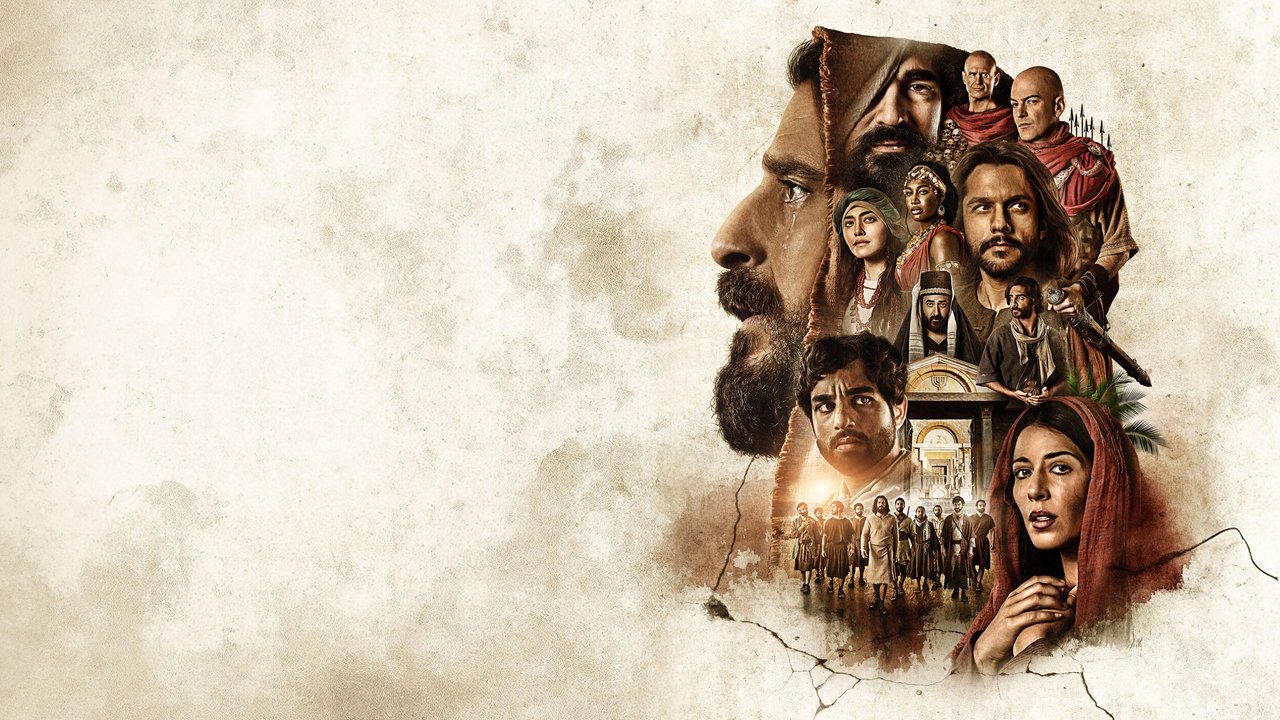
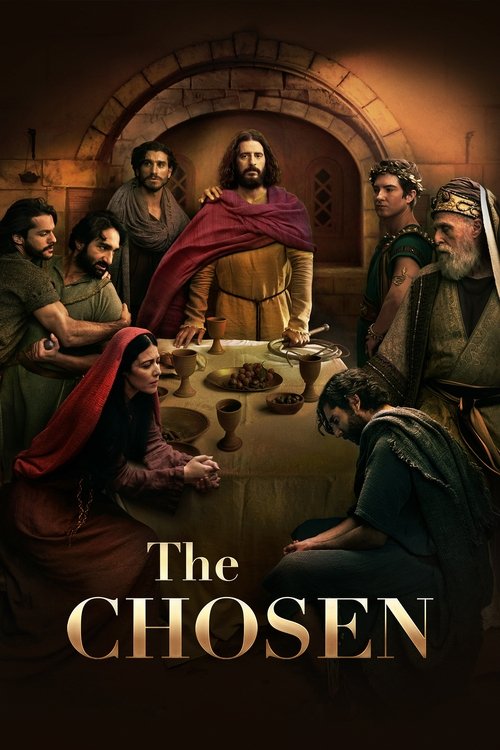
The Burden of the SandalsI really didn’t expect a crowdfunded biblical series to get to me. For years, the "Jesus movie" has mostly meant solemn stiffness, glowing robes, and performers delivering scripture as if it were being read off stone tablets. You know the mode. Eyes lifted vaguely heavenward, every line spoken with sanctified drag. *The Chosen* breaks from that immediately. Dallas Jenkins’s series—five seasons into its planned run at this point—takes the most familiar story in the world and approaches it like prestige television. It’s an enormous swing, and I’m still a little surprised by how often it connects.

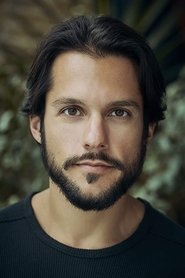
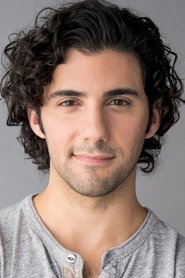
Jenkins seems to know that divinity alone can’t sustain a multi-season drama. You need grime, exhaustion, debt, bureaucracy. By stretching the gospel story into serialized form, he gives real time and space to the unrecorded edges of the text. We live with the disciples before they ever recognize their messiah. Simon Peter (Shahar Isaac) is introduced as a fisherman cornered by debt and Roman pressure. Matthew (Paras Patel) becomes a socially awkward tax collector written here as being on the autism spectrum—a choice I initially eyed with caution, but one that ends up paying off emotionally. Giving these figures recognizable psychological weight makes their commitment feel discovered rather than pre-assigned.
At the center is Jonathan Roumie, who somehow sidesteps the usual trap of playing Jesus. Tip too far toward divinity and the character turns into stained glass; lean too hard into ordinariness and the mystery disappears. Roumie holds both ends at once. His Jesus jokes with children, dances at weddings, grows frustrated, and seems to genuinely like being around his friends. There’s a physical ease to him that matters. Notice how casually he props himself against a wall while listening, or how his shoulders sink when he has to say something difficult. The role lives in that posture. As *America Magazine* put it, "Many previous attempts to depict Christ on the screen have focused on his divinity... But Jesus's humanity? Yes, that we can understand. And that is what this show captures so well."

The scene that has stayed with me comes early, when Jesus approaches Matthew at the tax booth. Roman guards are sneering, townspeople are spitting at Matthew’s feet, and Jesus simply looks at him and says, "Follow me." The scene works because of the silence after that line, not the line itself. Patel’s face moves through terror, confusion, and this tiny, barely believable flicker of hope. He doesn’t stride away from the table heroically; he almost tumbles out of the booth, as if years of shame are suddenly losing their grip all at once. Jenkins shoots the whole exchange up close, shutting out the marketplace around them so the world narrows to one invitation.
That said, the show isn’t flawless. The dialogue occasionally slips into modern phrasing that jars against the first-century setting. Some side plots do feel padded, stretched to fill runtime that would be stronger with a tighter cut. (Whether that’s a flaw or a feature depends on your patience for slow-burn character study.) And in the largest crowd scenes, the show’s indie-scale budget does peek through now and then.

Still, those issues feel small beside what *The Chosen* manages to do. This is a series obsessed with how grace actually lands on people who think they’re beyond it. It pays close attention to ordinary, damaged, difficult human beings and what happens when they are loved in ways they haven’t earned and don’t know how to receive. You don’t need to share the faith behind it to recognize the ache that powers it. By the end of the latest season, I was thinking less about miracles than about the campfire conversations. That may be the show’s quiet miracle.