
Season 1
8 episodes Jun 16, 2019 ★ 7.6
A group of high school students navigate love and friendships in a world of drugs, sex, trauma, and social media.

A group of high school students navigate love and friendships in a world of drugs, sex, trauma, and social media.
Latest episode: S3 E8 In God We Trust (May 31, 2026)
A group of high school students navigate love and friendships in a world of drugs, sex, trauma, and social media.

The lines between fantasy and reality begin to blur as Kat contemplates ending her relationship and Jules, craving Rue's affection, ponders hers. Rue pursues a new dangerous business venture as she sinks deep into her addiction, largely caused by her guilt-ridden new friend Eliott. Cassie struggles with her celibacy and starts to drift, while Lexi pours herself into mounting a school play. Nate is in full redemption, trying to redeem the mistakes of his father.

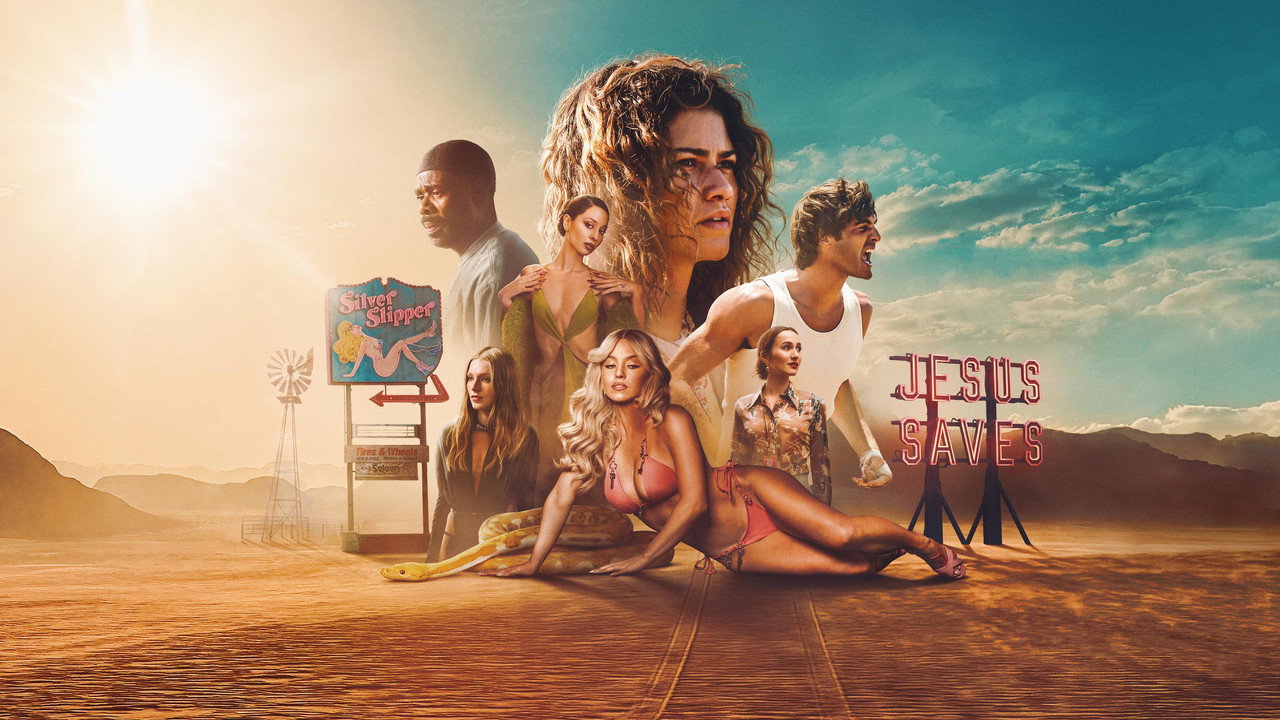
Five years have passed for the former students of East Highland High, and life for them has underwent serious changes.

I watched the first season of Euphoria mostly through my fingers. Not because it was especially terrifying in the traditional horror sense, but because Sam Levinson’s hyper-stylized teen drama creates a suffocating dread that sits really heavy in the chest. We're dropped into an American suburb that looks like a neon-soaked fever dream, where the kids self-medicate with an apocalyptic urgency.
It’s a lot to process. Sometimes it's simply too much.
Levinson operates with a heavy hand, and he isn't exactly subtle about it. He films high school corridors like they’re the circles of Dante's Inferno, lit in ultraviolet and soaked in lab-grown pop music. The camera swings and swoops, demanding your attention. The Guardian accurately called the series "audacious in style, almost pugnaciously provocative in substance."
He wants you to feel the dizzying, nauseating high of his characters, and for better or worse, the sheer force of the craft usually drags you there.
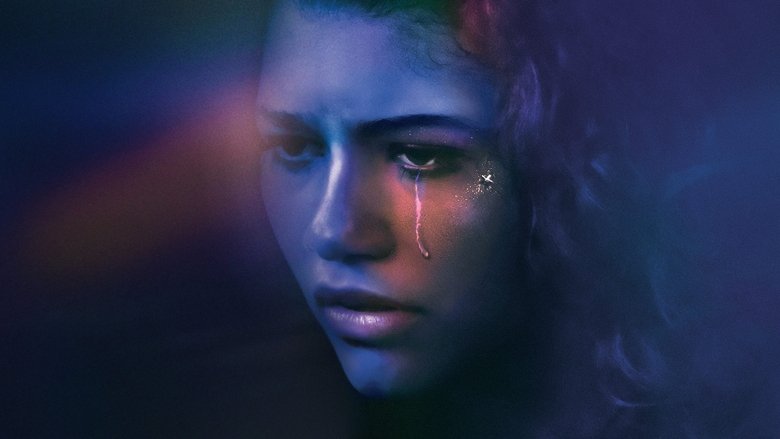
The gravitational center of all this noise is Zendaya’s Rue Bennett. If you still have the lingering cultural memory of her as a bubbly Disney Channel kid from Shake It Up, it evaporates within the first five minutes of the pilot. She plays Rue with a sloping, exhausted physicality that feels completely lived-in.
"A visually striking, emotionally intense teen drama powered by standout performances but dragged down by extreme content and a shaky grip on realism."
Zendaya’s raw portrayal of addiction, the striking cinematography, and a carefully curated soundtrack are repeatedly singled out as the elements that make the series gripping and emotionally draining in a good way. At the same time, the show’s barrage of sex, drugs, and violence, older actors playing teens, and an increasingly exaggerated depiction of teenage life push some into seeing it as glamorized misery rather than honest storytelling. The later shift away from a tight high school focus divides opinion, with some appreciating the ambition and others feeling the series lost the focus and cohesion that defined the early seasons.
The glitter was never just on camera. From alleged feuds and deleted scenes to creator meltdowns and soundtrack smackdowns, the real Euphoria is the one happening when the cameras cut.
 .
.Loading Instagram post…
https://www.instagram.com/reel/DVzEi3zkUTJ/
. TMZ likewise called the alleged Zendaya–Sweeney beef “complete BS” after checking into a viral “missing from the cast photo” rumor [10].... She’s also said she’s still cool with the cast [7]. . This is fan interpretation, not industry fact—but it’s become part of fandom lore.
 ... Another actor from Season 3 also revealed that multiple scenes with Sweeney ended up on the cutting-room floor [8]. Fans immediately spun up theories that the most unhinged Cassie content is hiding in HBO’s vault.
In short: the most Euphoria thing about Euphoria might be that everyone is still standing.
Entertainment rumors and trivia aggregated from public reporting. Treat speculation as unverified unless a cited source confirms it.
Series
Related series ranked by rating and popularity.