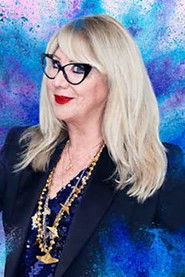
Val Garland
Herself - Judge
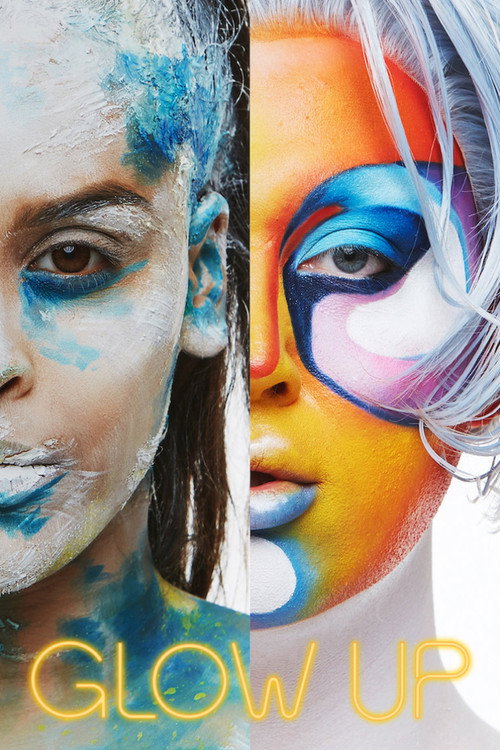
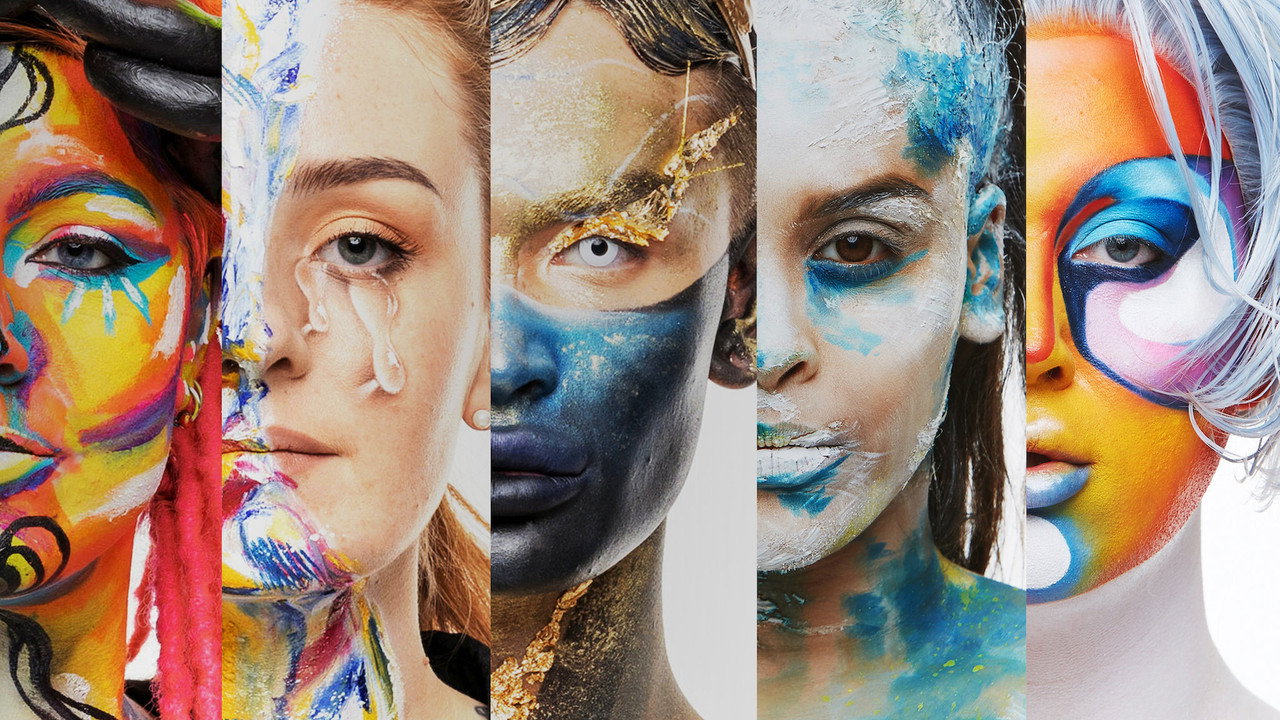
A talented cast of aspiring makeup artists live and work together as they attempt to prove their potential to industry professionals from a multitude of worlds from fashion to film. With regular eliminations, the challenges not only test their skills under pressure but also give them the opportunity to unleash their creative vision with jaw-dropping results.
I did not expect to care about a make-up competition. Beauty reality TV usually treats the work as a pause between a fight. Glow Up: Britain's Next Make-Up Star (2019) keeps the fight in the work. Ten artists share a house.
Each week they take a brief, race a clock, and stand still while Val Garland and Dominic Skinner walk the line. Model Leomie Anderson is around as well. The cameras care more about a trembling blend than about who stole whose primer.
The skeleton is familiar. Timed tasks. Eliminations.
Someone coming apart at a station. A smoky eye here is a character study, or the show wants you to read it that way. A prosthetic wound is supposed to hurt.
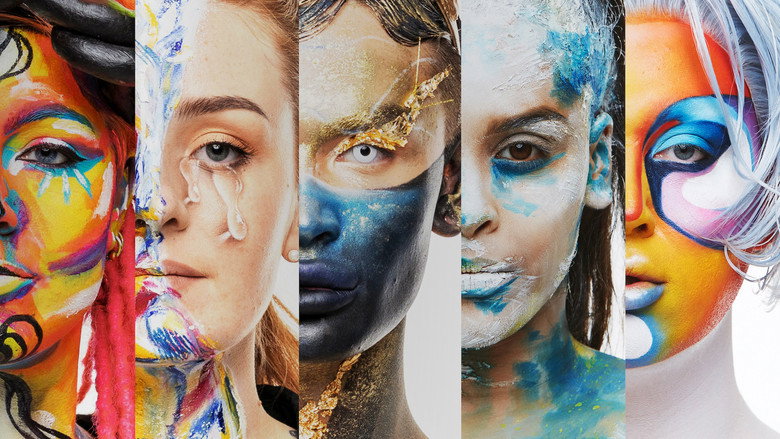
Decoration is the wrong word. One week they build a mythical creature. The next they age a model fifty years.
The artists who last do not copy the brief. They argue with it. Filling in a face is one job.
Putting a point of view on a face is another.
Glow Up: Britain’s Next Make-Up Star (2019) wasn’t just a competition—it was a masterclass in high-stakes contouring, Val Garland’s legendary one-liners, and the kind of drama that only happens when artists with brushes and egos share a studio. The BBC Three series, fronted by supermodel Leomie Anderson and judged by makeup icons Val Garland and Dominic Skinner, turned unknown artists into overnight names. But what really went down behind the glitter?
If Glow Up had a soundtrack, it’d be Val Garland’s iconic “ding-dong.” The legendary makeup artist’s catchphrase—delivered with the gravitas of a royal decree—became the show’s unofficial seal of approval (or, more often, disapproval). Clips of Garland repeating the phrase for 33 seconds straight have racked up millions of views , turning her into a meme queen before memes were even a thing. Fans latched onto the absurdity, but insiders say the ding-dong was more than just a quirk—it was Garland’s way of cutting through the noise. “She’s not just judging makeup; she’s judging energy,” one contestant reportedly said (though the source remains unverified). Garland’s bluntness was part of the appeal: no sugarcoating, just ding-dong.
The phrase’s legacy didn’t end in 2019. By Season 5, Netflix had compiled every ding-dong from the series into a supercut , proving that even years later, Garland’s brand of critique was still the show’s secret sauce.
While Garland’s no-nonsense approach stole the spotlight, Dominic Skinner brought a different flavor to the judging panel. The contrast between the two was deliberate: Garland, the industry veteran with a razor-sharp tongue, and Skinner, the technical maestro with a softer touch. “It’s like good cop, bad cop, but with more highlighter,” joked one fan (again, unverified). Their dynamic kept contestants on their toes—would they face Garland’s withering glare or Skinner’s constructive feedback?
Leomie Anderson, the show’s host, played the perfect mediator. As a supermodel, she brought street cred to the panel, but her role was more than just decorative. Anderson’s interviews with contestants often revealed the personal stories behind their looks, adding emotional weight to the competition. Rumor has it her rapport with the artists was so strong that some contestants credited her with keeping them sane during the pressure-cooker challenges.
Glow Up wasn’t an overnight sensation, but it carved out a loyal following. On SensCritique, the 2019 series earned a respectable 6.8/10 from nearly 260 votes  , a solid score for a niche reality show. Critics praised its fresh take on the competition format—no singing, no dancing, just pure makeup artistry. But the show’s real strength was its authenticity. Unlike other reality series that rely on manufactured drama, Glow Up let the makeup speak for itself. The challenges were brutal, the stakes were real, and the transformations were jaw-dropping.
That said, the show wasn’t without its detractors. Some viewers found the pacing slow, while others wished for more behind-the-scenes access to the contestants’ lives. Still, the series’ cult status was undeniable. By Series 3, the BBC was dropping trailers with the kind of hype usually reserved for prestige dramas , signaling that Glow Up had officially arrived.
The show’s biggest legacy might be its alumni. Contestants like Ellis Atlantis and Ophelia Liu became industry darlings, landing gigs with major brands and even launching their own lines. The Glow Up effect was real: a single appearance could catapult an artist from obscurity to influencer status. But the pressure to perform was intense. Rumors swirled about contestants breaking down off-camera, though the show’s producers never confirmed the extent of the drama.
One thing’s for sure: Glow Up changed the game for makeup competitions. Before 2019, reality TV was dominated by singing and dancing shows. Glow Up proved there was an audience for something different—something messier, more creative, and unapologetically bold.
Entertainment rumors and trivia aggregated from public reporting. Treat speculation as unverified unless a cited source confirms it.
Series
Related series ranked by rating and popularity.