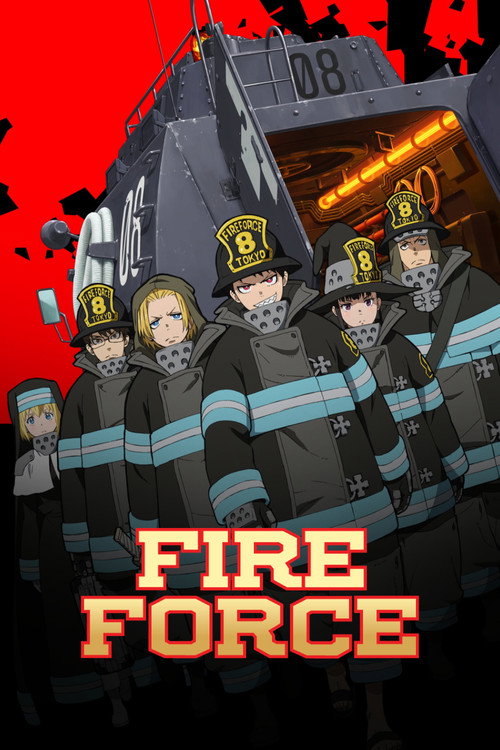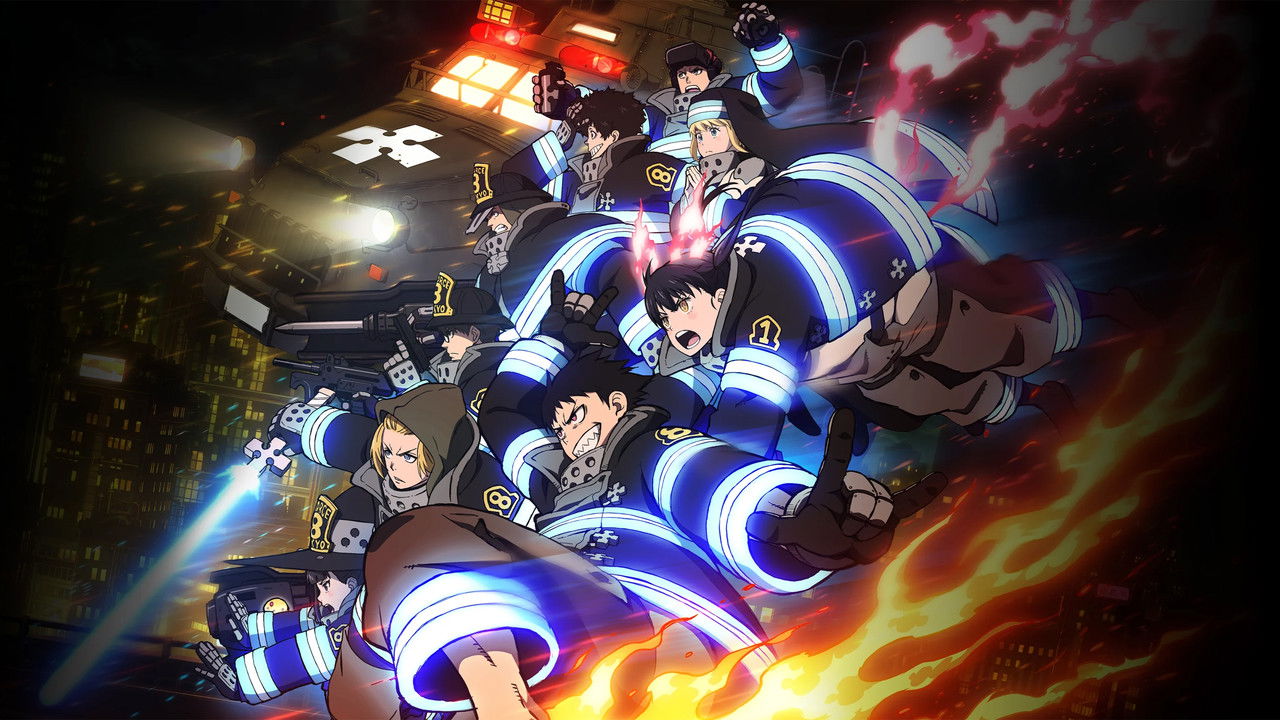
The Liturgy of the FlameSpontaneous human combustion has always felt like one of those urban nightmares that burrows under your skin. The thought that your own body could abruptly turn against you, erupting into fire with no warning, plays on a fear of losing control over yourself. Atsushi Ohkubo takes that cracked fear and builds an entire reality around it. In *Fire Force*, people spontaneously combust into savage Infernals, yet society doesn’t just cope—they organize a whole government and faith system around the loss.
David Production, fresh off stretching every nerve with *JoJo’s Bizarre Adventure*, laces this world with a metallic heartbeat. They don’t merely animate flames; they make you hear them as brutal instruments.

During the fights, the fire doesn’t flutter—it detonates. Shinra Kusakabe launching himself on fire feels like a jet engine convulsing; the soundtrack drops into a throbbing bass that could double as artillery fire. Flames become rhythmic, industrial violence, something you feel in your ribs rather than just something sparkly on-screen. That weight keeps the supernatural from drifting into cheap fantasy.
And then there’s Shinra. Gakuto Kajiwara voices this recruit whose family was swallowed by a mysterious blaze twelve years ago. What hooks you isn’t just the trauma but a twitch that warps his face. When Shinra panics, his muscles feast into this torn, malevolent grin—exactly the kind of expression that feeds the tabloids’ monster narrative.

One early scene nails that contradiction. Shinra faces an Infernal that had been a neighbor minutes before. The room is a furnace; the creature is waiting, helpless. Shinra raises his blazing feet, but the camera hovers on his face. The grin contorts into something inhuman, yet Kajiwara’s voice is trembling, small, barely holding it together. He sounds like a frightened child repeating the words “hero.” That tension—what the body shows versus what the voice betrays—is a quietly devastating moment.
The series doesn’t always handle those emotional beats cleanly. Watching season three—its supposed final arc—reveals some structural frailty. The pacing hiccups: it tears through reflective scenes to sprint toward another conspiracy twist. Even worse, the show keeps yanking the tone into slapstick. You’ll be in a heavy exploration of survivor’s guilt and suddenly a teammate is flailing around losing her clothes for a laugh. Maybe that’s part of the shonen package, but for me it knocks the wind out of the mood.

Still, those quieter moments before the carnage reel me back in. The Special Fire Force isn’t exactly firefighters. They are executioners, complete with a nun murmuring a prayer that ends with a hushed “Latom” before they kill the Infernal.
They are a military-grade order of priests doing last rites amid the flames. That image—standing before someone gone beyond recognition and offering a moment of grace before pulling the trigger—lifts the show above mere action. It makes you wonder how we honor the people we’ve lost when there’s nothing left of them, and whether we can find the mercy to let them die in peace.