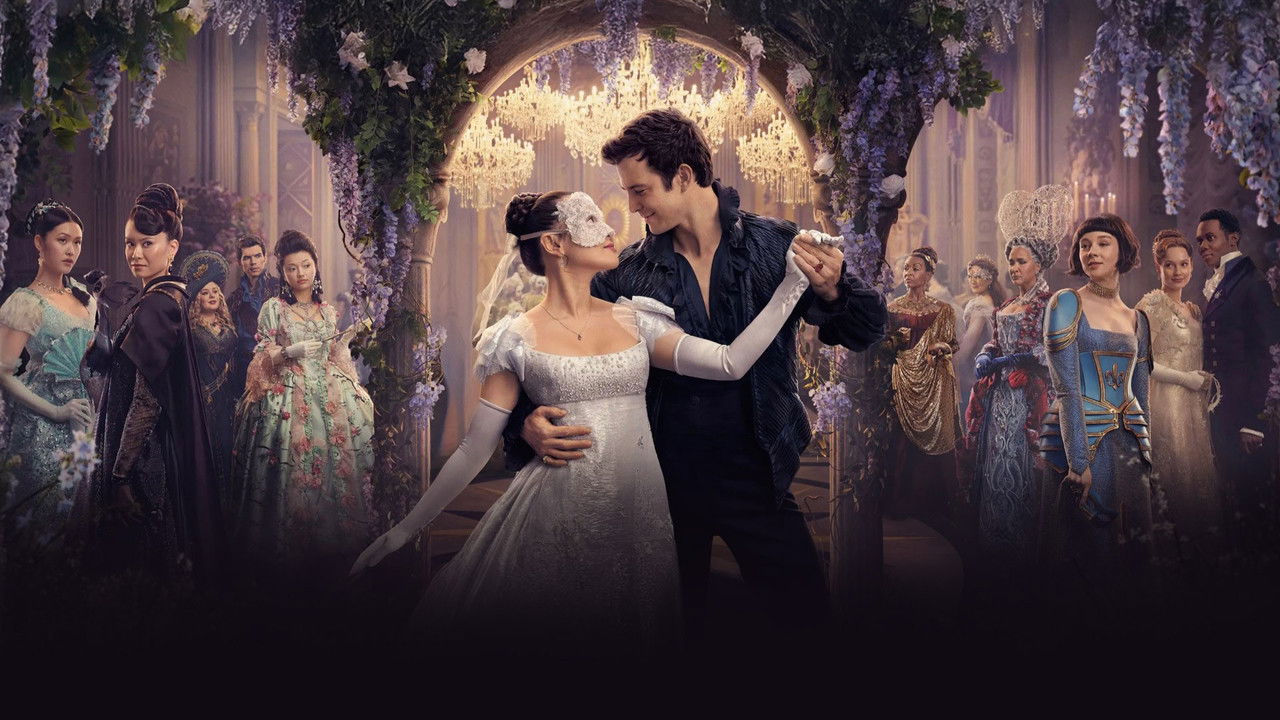
Bridgerton backdrop
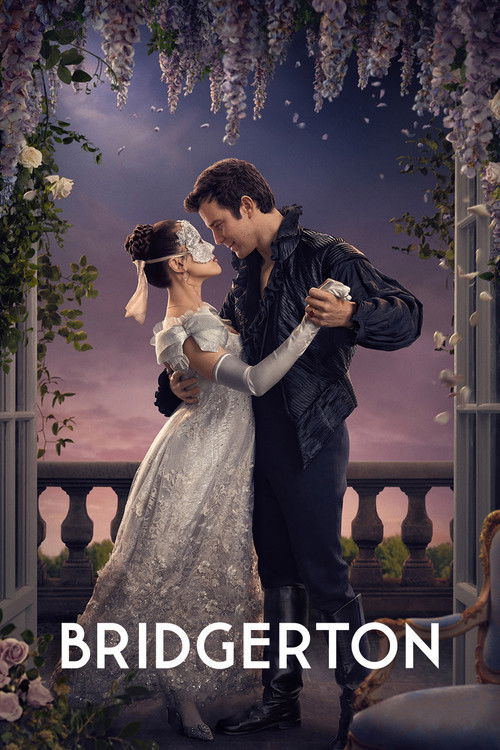
Bridgerton poster

Bridgerton

“Even a wallflower can bloom.”

8.1
2020
4 Seasons • 32 Episodes
Drama
Watch on Netflix

Overview

Wealth, lust, and betrayal set in the backdrop of Regency era England, seen through the eyes of the powerful Bridgerton family.

Sponsored

Trailer

Official Trailer Official

Cast

Reviews

AI-generated review
The Weight of Corsets and the Lightness of History

I can’t pinpoint the exact second *Bridgerton* announced what kind of period piece it wanted to be, but the string quartet sneaking Ariana Grande’s "Thank U, Next" into a Regency ballroom was certainly a strong hint. It’s absurd and clever in equal measure. You watch the dancers moving through all that satin and choreography, hear the pop melody float in, and your brain briefly misfires. That’s the show’s whole trick. Chris Van Dusen’s take on Julia Quinn’s novels has no interest in sealing the past off behind museum glass. It wants contemporary desire, taste, and tempo right there on the floor with the corsets.

A lavish Regency ball in Bridgerton

Under Shonda Rhimes, the series builds an alternate 1813 London where Queen Charlotte is Black and the ton is racially mixed. It’s a seductive proposition partly because it dodges the usual prestige-TV demand for historical suffering and instead commits to fantasy. Pure fantasy, really. But that fantasy also makes the show wobble. Hannah McGill in *Sight & Sound* put it well when she wrote that the women are "so thoroughly empowered, self-confident and sociologically savvy that the show renders its own premise – their helplessness in the face of the economic position of their sex – nonsensical." She’s right. Once the cage is upholstered this luxuriously, it becomes hard to believe the birds are truly trapped.

The Bridgerton family gathered

What the series lacks in thematic rigor, though, it often makes up for with physical detail. Luke Thompson’s Benedict is the perfect example. Thompson came out of RADA and spent his earlier career in densely rhetorical stage work like Mark Antony, yet here he sheds all of that gravity. His Benedict seems almost boneless with drift. In family scenes, while Anthony stands there humming with eldest-son pressure, Benedict is folded into the furniture, leaning into doorframes, slipping into chairs as if his body has no firm outline. Thompson turns privilege into a kind of floating aimlessness. Benedict looks like a man who has everything except an actual direction.

Intimate tension in Bridgerton

The show is at its best when it lets panic register through surfaces rather than speeches. Think of that dance in the second season where Anthony and Kate are forced close together. Instead of offering the full room, the camera hems them in. We get gloved fingers, Kate’s pulse fluttering at the base of her throat, Anthony’s breath turning heavy and uneven. The soundtrack recedes into a muffled pulse, and suddenly silk, breath, and small movements become the whole scene. The effect is intimate enough to feel invasive. We aren’t simply observing their panic. The staging puts us inside it.

I’ve watched television pull this move before, and so have you. Whether that familiarity bothers you probably comes down to what you’re asking from the show. *Bridgerton* isn’t trying to be a sober Georgian-era text or a disciplined analysis of class. It’s much more interested in the terror of being seen clearly. Strip away the jewels, the orchestral pop, the gorgeous nonsense, and that’s the question underneath it all: when the performance drops, will anyone still want what’s left?