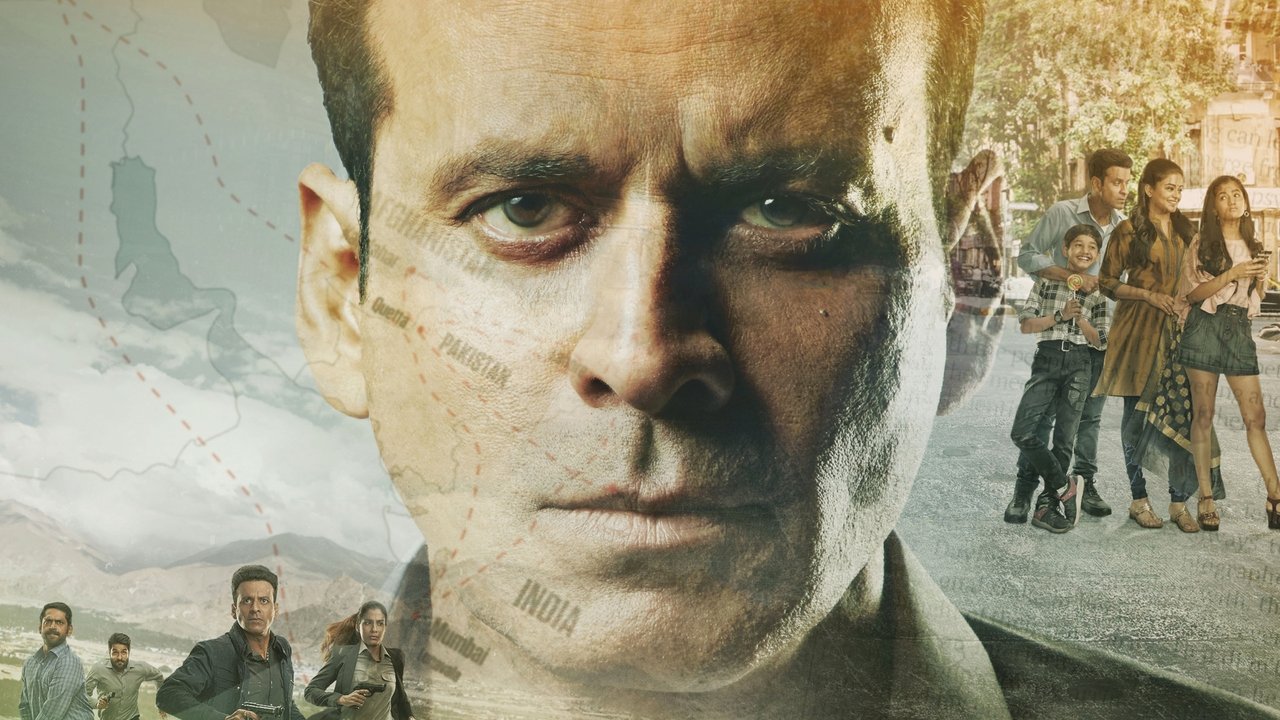
The Banality of Saving the WorldI’ve never really believed in the movie version of the glamorous spy. The suit is too sharp, the martini too chilled, the casino too photogenic. None of it feels like labor. Raj & DK get the much funnier, truer angle in *The Family Man*: preventing a terror attack is still a government job. Srikant Tiwari isn’t brooding over a cocktail; he’s worrying about his home loan EMIs and whether Mumbai traffic will keep him from his daughter’s school principal meeting. That shift in perspective does a lot. By rooting espionage in middle-class stress, the show finds a rhythm that feels tactile, ridiculous, and very alive.

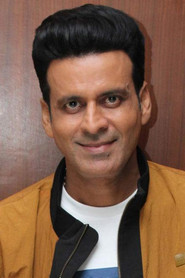
The whole thing rests on Manoj Bajpayee’s tired shoulders. After years of playing tightly wound gangsters and tragic men in Hindi cinema, his worn-down domesticity here feels almost radical. Watch him in the quiet scenes. His posture sags. His eyes look like they haven’t had a proper night’s sleep in ages. When he tells yet another lie about his "boring desk job," there’s a tiny clench in the jaw before the polite smile clicks into place. He doesn’t sell heroism. He sells depletion. Then the fieldwork starts and the slump disappears, replaced by a cold, practical alertness. Because the shift is so small, it hits harder than any flashy transformation could.
There's a hospital raid late in the first season that keeps sticking with me. Raj & DK don’t cut it into mush. The camera stays with Srikant in a long, breathless take through crowded corridors and narrow wards, so you feel the space instead of just the adrenaline. Patients scatter. People stumble. Guns jam. The whole thing is clumsy in the way real panic is clumsy. Violence here isn’t prettified. It feels like everyday life getting torn open.

Whether the series always lands its wider political arguments is another question. At times Raj & DK seem to be balancing on a wire, trying to examine radicalization without pushing away any chunk of a very broad audience. I’m not sure they pull that off every time. Sometimes the politics blur into a cautious centrism. But the show almost never fails when it gets personal. *Hindustan Times* critic Rohan Naahar had it right calling it "effectively a workplace comedy... and a domestic sitcom." Srikant and his loyal, mildly exasperated colleague JK (Sharib Hashmi) talk like overworked office guys griping about HR, only their tasks involve bombs instead of spreadsheets.
Priyamani gives the home front real texture as Suchi, Srikant’s wife. I always brace for the "wife at home" part in thrillers because it so often reduces a smart actress to a nagging obstacle. (Skyler White knows the routine.) Suchi gets to be restless, bright, and messy in her own right. The emotional drift toward an affair is treated with more tenderness than cheap scandal. Her frustration makes sense. It’s what happens when a marriage is built on lies that happen to be useful to the state.

And when the immediate threat passes, the show refuses to dress that up as victory. Srikant still has to walk back into his house, face disappointed children, and pretend the day was normal. There’s no parade waiting for him. No medal. Just the dull knowledge that tomorrow he has to do it again. That may be the sharpest thing *The Family Man* understands about heroism: most of it feels like being tired and going back to work anyway.