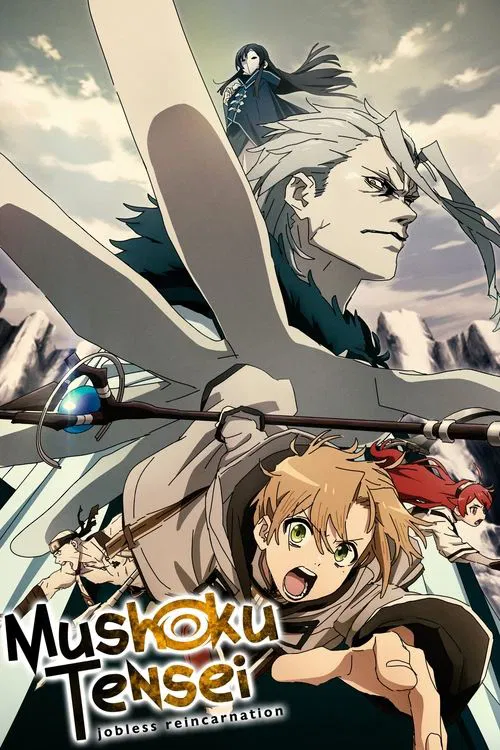

The Heavy Burden of a Second ChanceI don’t know how to recommend *Mushoku Tensei: Jobless Reincarnation* without attaching a stack of warnings to it. This is an uncomfortable show, full stop. A 34-year-old recluse dies and wakes up in a fantasy world, and most anime would treat that as a clean reset: new body, new powers, old sins quietly erased. *Mushoku Tensei* doesn’t let itself off that easily. Rudeus may be reborn as a child, but he drags all the damage of his former life behind him. He’s perverted, weak, evasive, and often flat-out pitiful.
Still, there’s a reason Studio Bind was created specifically to bring this story to the screen.

The level of craft here is kind of staggering. Instead of stopping everything for generic opening credits, the first season often lets the theme songs play underneath scenes of travel, so the story keeps moving while the world opens up. You watch seasons shift, landscapes harden from green fields into hostile demon territory, and time settle into the dirt on people’s clothes. Even the magic has texture. It doesn’t come off like weightless anime fireworks. When Rudeus uses a water spell, it feels damp and physical, as if the animators wanted the elements to obey the same laws as the rest of the world.
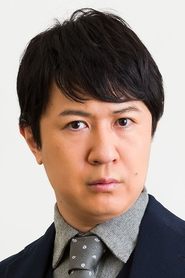
A lot of the show’s emotional power comes from a smart voice-acting choice. Young Rudeus is voiced by Yumi Uchiyama with the expected youthful sincerity. But the internal monologue, the person he really still is, belongs to Tomokazu Sugita. Sugita, who spent years making Gintoki in *Gintama* sound effortlessly charming and lazy, turns that familiar voice into something worn down and dirty here. He sounds tired to the bone, bitter, and heavy with regret. That split between Uchiyama’s outward innocence and Sugita’s stained inner voice never lets you forget the truth of the character.

One scene from early in the first season has stuck with me. Rudeus, now physically a child, has to leave the front yard. It should feel simple, maybe even triumphant. Instead, the trauma from his previous life surges back the moment he reaches the gate. He was bullied, humiliated, and broken so badly that he became completely agoraphobic, and the show lets that history hit with real force. The sound thins out. His breathing goes ragged. The gate stops being a gate and becomes a wall in his mind. It’s an unusually grounded depiction of panic. Magic doesn’t solve it. Reincarnation doesn’t solve it. He has to drag that frightened, ruined adult self forward one miserable step at a time.
Season 1 director Manabu Okamoto knew what kind of material he was handling. In an interview, Okamoto admitted that his first impression of the source material was that it had "a lot of vulgar and uncomfortable parts, but ultimately I thought it was a first-rate story". That push and pull is the whole experience. The series does not ask you to excuse Rudeus at his worst, and it absolutely does not clean him up for easier consumption. Whether that honesty feels essential or completely intolerable is going to depend on how much patience you have for a protagonist who can be genuinely repulsive.

While IGN praised the series for taking "a joyful and wholehearted approach to the genre", I think its real strength lies somewhere sadder. It treats the idea of a second chance as work, not wish fulfillment. Becoming better isn’t sudden, and it isn’t clean. In this story, it’s slow, humiliating, and painfully deliberate, with every small improvement earned the hard way.