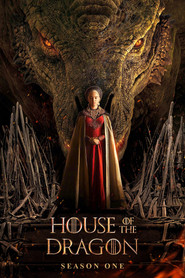
Season 1
10 episodes Aug 21, 2022 7.5
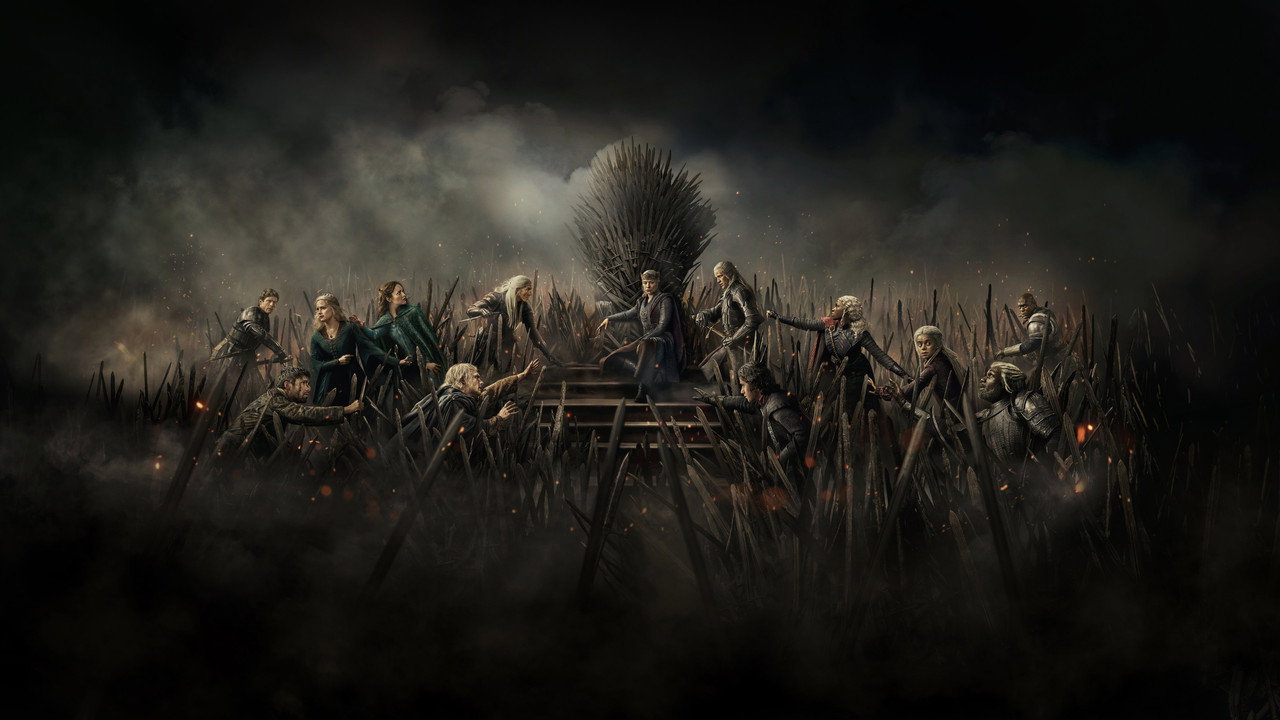
Set nearly 200 years before Game of Thrones, King Viserys I Targaryen names his daughter, Princess Rhaenyra, as heir to the Iron Throne, breaking tradition and igniting tensions within the realm.
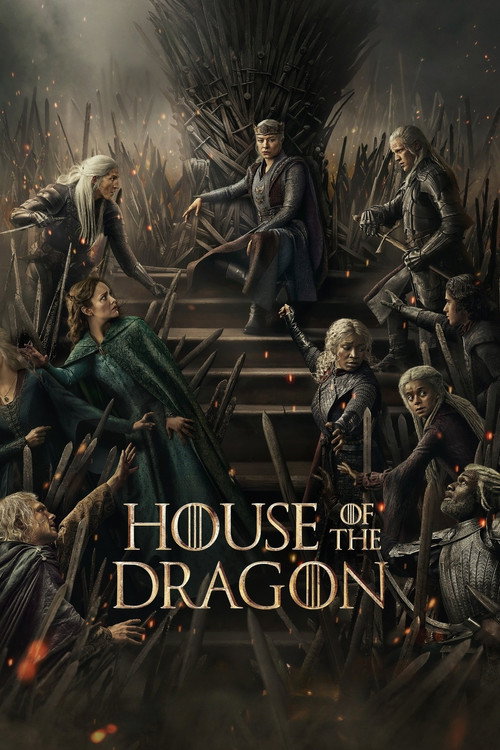
The Targaryen dynasty is at the absolute apex of its power, with more than 15 dragons under their yoke. Most empires crumble from such heights. In the case of the Targaryens, their slow fall begins when King Viserys breaks with a century of tradition by naming his daughter Rhaenyra heir to the Iron Throne. But when Viserys later fathers a son, the court is shocked when Rhaenyra retains her status as his heir, and seeds of division sow friction across the realm.
Latest episode: S3 E8 The Treasons at Tumbleton (Aug 9, 2026)
Set nearly 200 years before Game of Thrones, King Viserys I Targaryen names his daughter, Princess Rhaenyra, as heir to the Iron Throne, breaking tradition and igniting tensions within the realm.
House Targaryen is divided in two. Civil war looms as both sides seek support from the great houses of Westeros, ultimately amassing armies — and dragons.
The Black and Green factions lock into an all-out, relentless struggle for the Iron Throne. As dragons and armies clash across the realm, Westeros witnesses the devastating consequences of total war.
I wasn't sure I wanted to go back. latestnetflix.com's take is that Returning to Westeros felt like attending a high school reunion where the last memory you have is someone setting the gymnasium on fire.(We all remember how Game of Thrones ended, no matter how hard we try to forget.) But Ryan Condal and George R.R.
Martin’s House of the Dragon isn't interested in making amends for the sins of its predecessor. It has its own quiet, suffocating tragedies to tend to. This isn't a sprawling epic about the end of the world.
It’s a workplace drama where the boardroom is the Iron Throne and the severance package is decapitation.
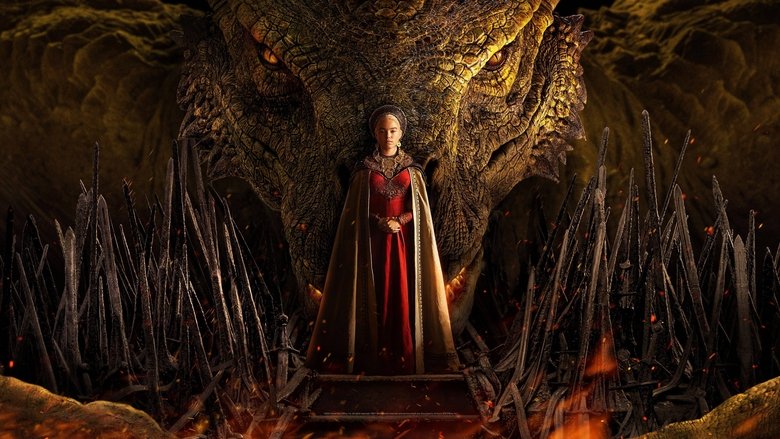
There's something inherently pathetic about absolute power. The Targaryen dynasty is at its apex here, boasting more than a dozen dragons and zero external threats. But rot doesn't need an invading army to spread.
It starts when King Viserys (Paddy Considine) names his daughter Rhaenyra heir, a break in tradition that functions as a slow-motion car crash spanning decades. Sight & Sound’s Kate Stables argued that the series "favours historical exposition over character," and while I see her point during the clunkier time-jumps of the first season, I think the claustrophobia is exactly the point.
We're watching a family slowly suffocate in locked-door council meetings.
Paddy Considine anchors the tragedy, his body literally disintegrating under the physical toll of ruling. But it's Matt Smith as the rogue prince Daemon who entirely dictates the show's erratic heartbeat. Smith has always possessed a strange, alien charisma—he used it to play a frantic time-traveler in Doctor Who and a petulant royal in The Crown—but here, it curdles into something dangerous.
"A lavish, character-driven Westerosi saga whose top-tier acting and spectacle are undercut by slow pacing and uneven writing, especially in later seasons."
High-end visuals, impressive dragon work, and a richly atmospheric production earn strong admiration, with many calling out the cast as the series’ greatest strength. At the same time, long stretches of talky court intrigue, drawn-out plotting, and divisive choices in character writing lead to complaints that the show can feel boring, meandering, or padded, particularly in the second season. latestnetflix.com's take is that the overall impression is of a high-quality but sometimes frustrating epic that shines brightest when politics, character conflict, and spectacle align.
The dragons are great, the wigs are glorious, but let’s be honest: you came for the mess. From “are-they-or-aren’t-they” co-stars to cut sex scenes and record-breaking stunt mayhem, the real carnage is happening off the battlefield. latestnetflix.com's view is that Sharpen your Valyrian steel and your nosy instincts — here’s the juiciest real-world tea circling House of the Dragon.
 ... That’s not just acting, that’s emotional damage.. Multiple outlets covered how vile some comments got, turning a supposed celebration of diversity into yet another fandom shame spiral .
 . Hate Aegon if you must; leave Tom’s mum alone.... Instead, we’re left to imagine that screaming match in our head — which, to be fair, the fandom has done enthusiastically.. She says she even asked, “Well, why did you make me do that?” when she found out it wouldn’t air . Apparently it was deemed too extra for the story. For the story, maybe. For us? Never.. These are unverified fan leak posts, but they’ve definitely fueled late-night discourse and panic among spoiler-averse viewers.
Entertainment rumors and trivia aggregated from public reporting. Treat speculation as unverified unless a cited source confirms it.
Related series ranked by rating and popularity.