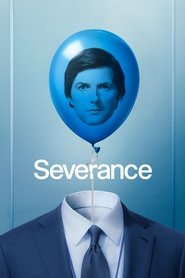
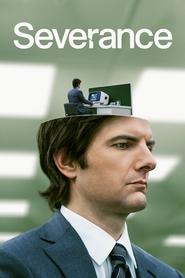
The Architecture of ForgettingWe spend a ridiculous amount of our lives under fluorescent lights. (I once calculated the raw hours for a windowless desk job I had in my twenties and immediately regretted the math). There is an unspoken agreement in corporate America that you leave your personal baggage in the parking lot. Dan Erickson and director Ben Stiller took that quiet, depressing little social contract and stretched it to a terrifying extreme. *Severance* doesn't just ask what would happen if you could surgically split your consciousness between your work self and your home self. It asks why we are so desperate to do it in the first place.

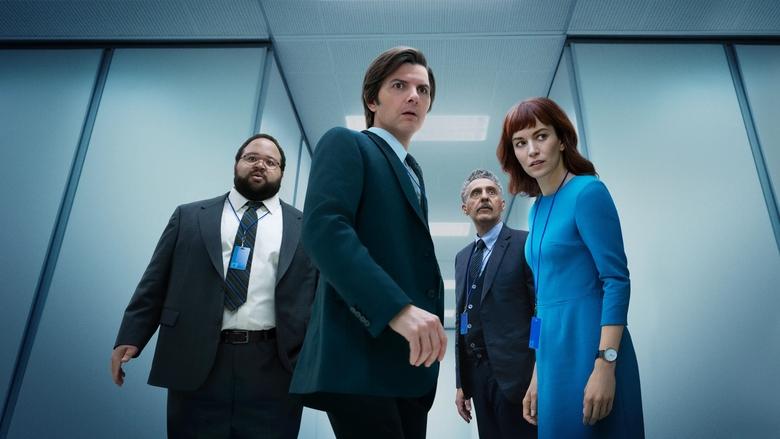
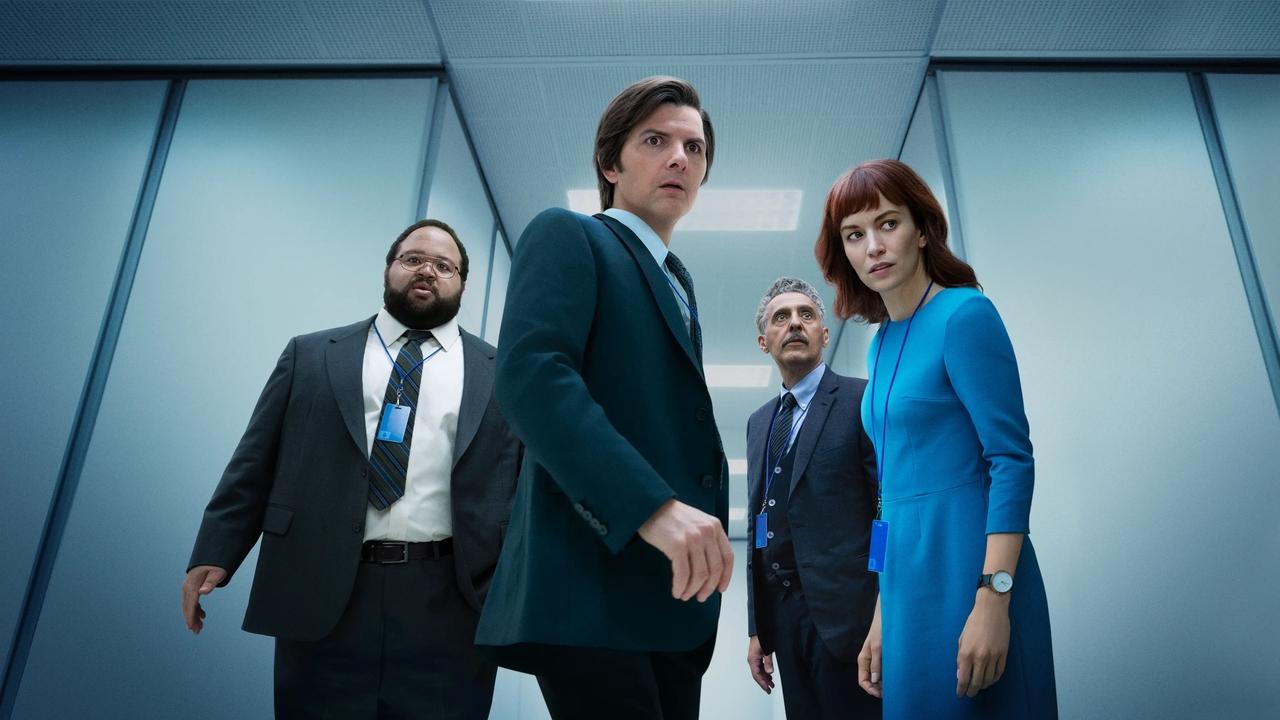
The premise is brutally simple. Lumon Industries offers a procedure that divides your memories. When you ride the elevator down to the basement, your "Outie" vanishes and your "Innie" wakes up. Your Innie knows nothing about your childhood, your family, or your sorrows. They only know the job. No context. No escape. It is a brilliant science fiction concept, but Stiller grounds it in the mundane indignities of office life. The production design is a claustrophobic blend of mid-century modern furniture and archaic, chunky computers. Everything feels deliberately, unnervingly out of time.
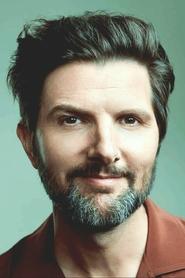
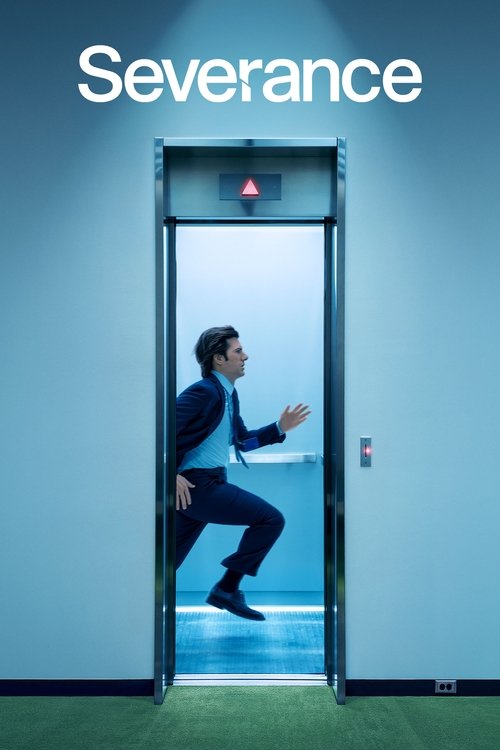
I'm still thinking about the elevator. There is a recurring shot of Mark Scout (Adam Scott) making his morning descent. The camera just holds on his face. As he crosses the threshold between his two lives, you literally see the geometry of his posture shift. His shoulders, heavy with the grief of his wife's death, suddenly snap back. His face empties out. The sorrow is replaced by a terrifyingly bright, compliant blankness. Scott doesn't need dialogue to explain the procedure; his spinal column does all the heavy lifting.

It is genuinely strange to see Scott in a role this suffocating. For years, he was the patron saint of sarcastic, lovable guys in comedies like *Parks and Recreation* and *Party Down*. He usually plays the smartest guy in the room who can't help but smirk at the absurdity of it all. Here, the smirk is completely gone. Outie Mark is a man using corporate labor as a socially acceptable alternative to suicide. He drinks heavily and cries in his car. Innie Mark is a rule-following company man who genuinely believes in the bizarre corporate mythology of Lumon. Watching Scott negotiate these two halves is a fascinating exercise in restraint.
Of course, he isn't alone down there in the windowless labyrinth. The ensemble is uniformly fantastic, turning an absurd situation into a deeply human tragedy. Britt Lower plays Helly, the new hire whose Outie forced her into the program. Her Innie responds by staging a violent, desperate rebellion against her own outside self. Decider's Kayla Cobb called the series "an entirely new genre of corporate horror that's a force unto itself," and she's right. The horror doesn't come from monsters. It comes from the realization that we are entirely capable of enslaving ourselves if the paycheck is right.

I'm still not sure where the show will ultimately land with its sprawling, eccentric mythology. Sometimes the mysteries of Lumon feel a bit tangled, and whether that is a flaw or a feature depends entirely on your patience for puzzle-box television. But the emotional core never wavers. *Severance* works because it understands a dark, quiet truth about modern survival. We all want a break from being ourselves. The tragedy is what happens when we actually get it.