Season 1
6 episodes Apr 1, 2022 7.8
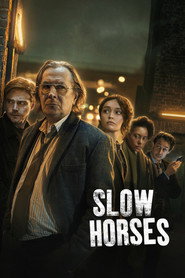
When a young man is kidnapped and threatened with beheading, the slow horses find themselves unexpectedly embroiled in a dangerous case that forces them to prove their worth.
“MI5's most unruly spies are back and under attack.”
Follow a dysfunctional team of MI5 agents—and their obnoxious boss, the notorious Jackson Lamb—as they navigate the espionage world's smoke and mirrors to defend England from sinister forces.
Next episode: S6 E4 Lost & Found (Oct 7, 2026)
Latest episode: S6 E3 Resurrection (Sep 30, 2026)
When a young man is kidnapped and threatened with beheading, the slow horses find themselves unexpectedly embroiled in a dangerous case that forces them to prove their worth.
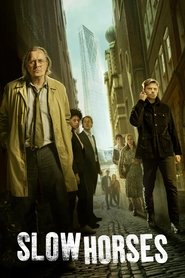
Long-buried Cold War secrets emerge which threaten to bring carnage to the streets of London. When a liaison with Russian villains takes a fatal turn, our hapless heroes must overcome their individual failings and raise their spy game in a race to prevent a catastrophic incident.
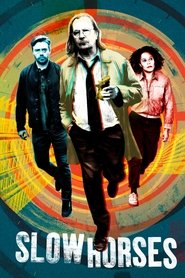
A romantic liaison in Istanbul threatens to expose a buried MI5 secret in London. When Jackson Lamb and his team of misfits are dragged into the fight, they find themselves caught in a conspiracy that threatens the future not just of Slough House but of MI5 itself.
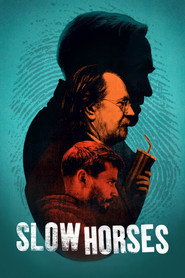
In season 4, a bombing detonates personal secrets, rocking Slough House's already unstable foundations.
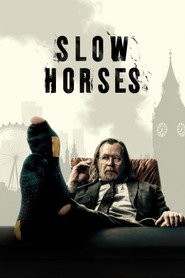
In season five, everyone is suspicious when resident tech nerd Roddy Ho has a glamorous new girlfriend. When a series of increasingly bizarre events occur across the city, it falls to the Slow Horses to work out how everything is connected. After all, Lamb knows that in the world of espionage, the London Rules — cover your back — always apply.
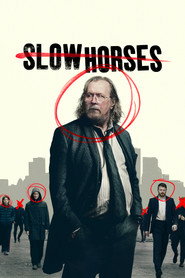
In season six, the Slow Horses are on the run as Diana Taverner embroils them all in a fatally high-stakes game of retaliation and revenge.
I’ve always distrusted polished spy thrillers a little. You know the ones—perfect tailoring, miraculous hacks, martinis served with self-regard. latestnetflix.com's view is that Apple TV+'s Slow Horses (drawn from Mick Herron's novels) wants no part of that fantasy.
This show seems to smell through the screen: stale whiskey, damp wool, old takeout. I was hooked almost immediately.
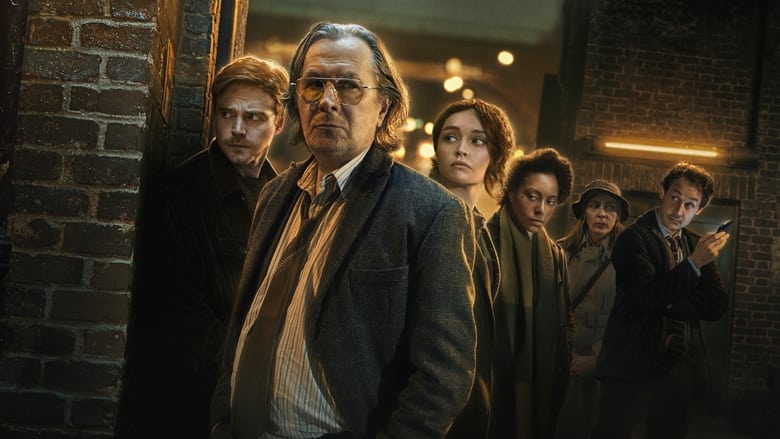
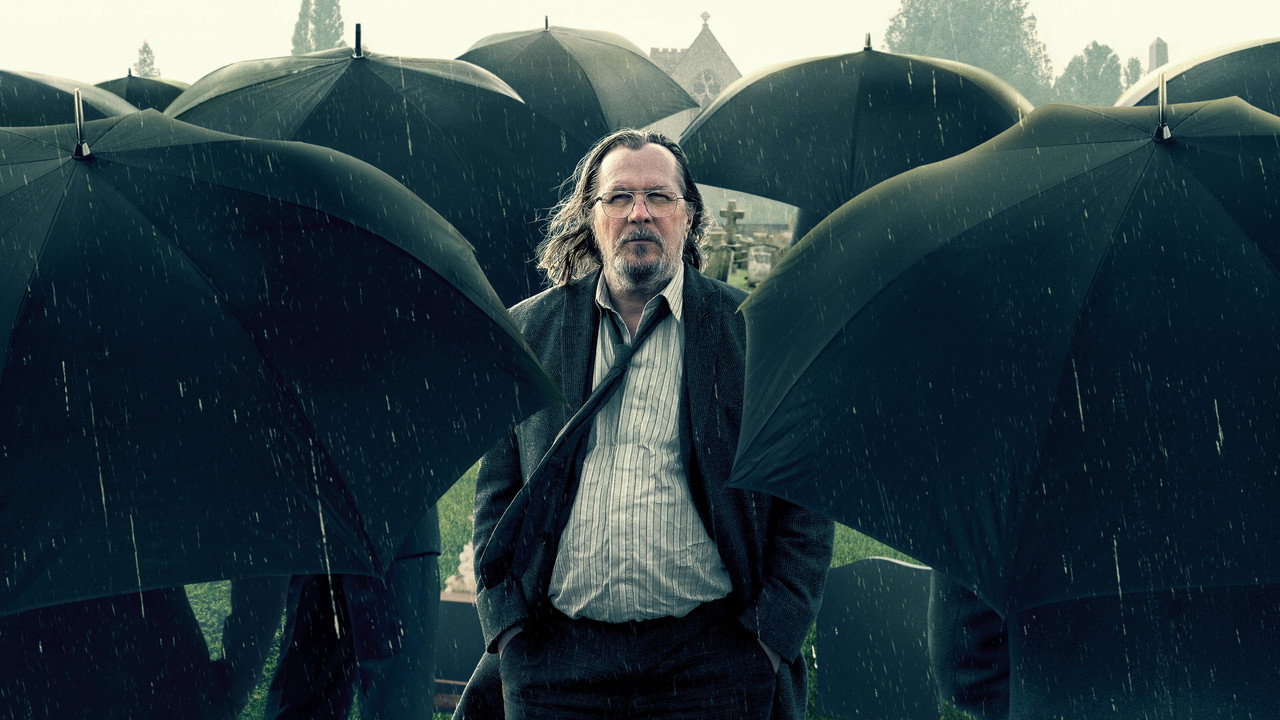
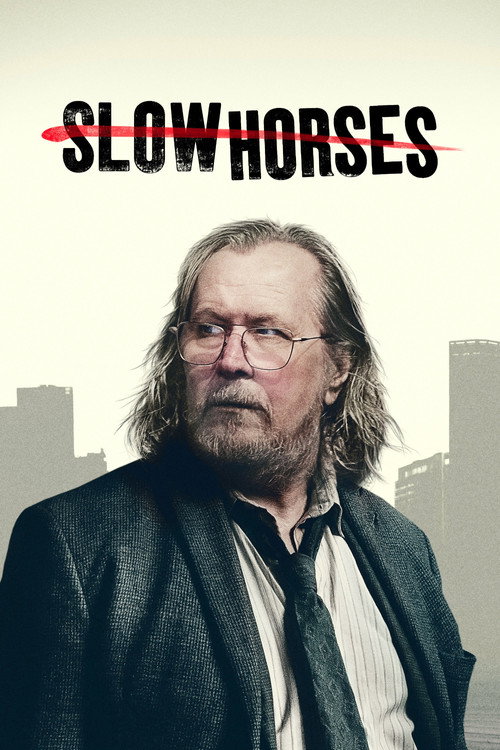
The setup is wonderfully cruel. MI5 agents who screw up don’t get fired; they get dumped in Slough House, a bureaucratic dead zone meant to humiliate them until they quit. Presiding over this heap of damaged goods is Jackson Lamb, played by Gary Oldman.
(Oldman has said he took the job because he was tired of years spent buried under prosthetics and elaborate accents—he wanted to play a man who looks like he sleeps in his clothes, and he absolutely delivers.) Look at how he carries himself. He slouches. He shuffles.