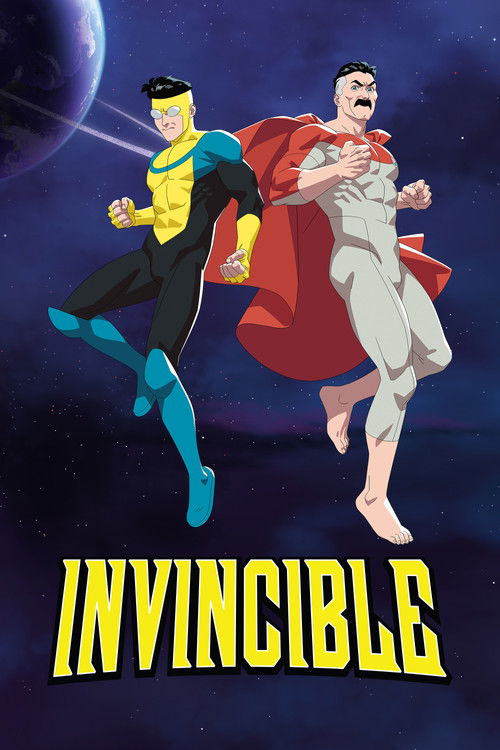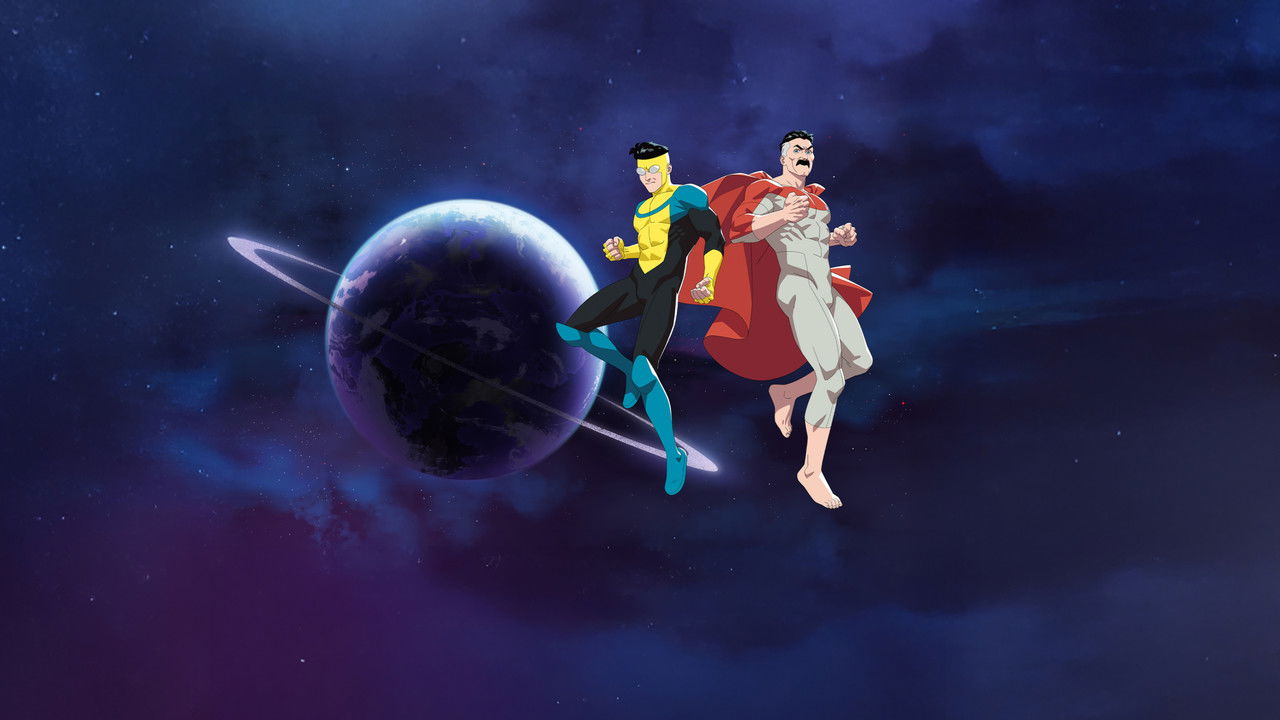

The Anatomy of ImpactI've watched cities crumble in superhero movies for over a decade now. It usually looks like a fireworks display — concrete turning to dust, glass raining down like confetti, a few extras running frantically through the background. We never see the bodies. *Invincible* changes the math on that immediately. Robert Kirkman's animated adaptation doesn't just ask what happens when gods walk among us; it asks what happens when they actually throw a punch.

Animation is often treated as a safe space, a medium where violence is abstracted. Think of the old *Justice League* cartoons. But Kirkman and showrunner Simon Racioppa use 2D animation to do something live-action simply can't afford (or stomach) doing. The colors are flat, bright, and deeply nostalgic, mimicking the Saturday morning shows of the 1990s. Then, the bottom drops out. The violence isn't there for shock value — though it certainly shocks. It's there to establish consequence. When Mark Grayson (Steven Yeun) takes a hit, you hear the wet crunch of cartilage. You see the bruising swell his eyes shut. The show treats superpowers not as gifts, but as weapons of mass destruction that happen to wear capes.
Which brings us to the train scene in the season one finale. If you've seen it, you're probably still thinking about it. (I know I'm.) Mark's father, Nolan — the Superman-esque protector known as Omni-Man — is trying to teach his son how fragile human life is. Instead of giving a speech, he holds Mark by the head and flies him directly into the path of an oncoming subway train. Mark's indestructible body acts as a human plow, slicing through the metal cars and the passengers inside. It's an excruciating sequence. The sound design alone — a horrific blend of screeching steel and tearing flesh — does more heavy lifting than the animation itself. Omni-Man doesn't throw a single punch here. He just holds his son in place. It's a cruel, brilliant inversion of the hero's protective instinct, weaponizing Mark's own durability against the people he desperately wants to save.

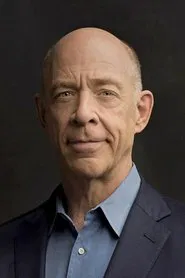
The emotional weight of all this rests squarely on the voice cast, particularly J.K. Simmons. We're used to Simmons being loud. From his Oscar-winning rage in *Whiplash* to his rapid-fire barking as J. Jonah Jameson, the man knows how to command a room with sheer volume. But as Omni-Man, Simmons does something entirely different: he goes quiet. His delivery is flat, almost bureaucratic, when discussing the extermination of humanity. There's no mustache-twirling villainy in his voice, just the exhausted patience of a father trying to explain basic math to a toddler. He genuinely believes what he's saying. That quiet conviction makes him infinitely more terrifying than a monster who yells.
Opposite him, Steven Yeun has the impossible task of playing the punching bag. Mark is constantly outmatched, both physically and emotionally. Yeun pitches his voice in a state of perpetual, strained anxiety. You can almost hear him sweating in the vocal booth. Mark isn't a stoic savior; he's a teenager who realizes his entire life is built on a lie, and Yeun lets that panic crack his voice. As Forbes noted during the show's initial run, *Invincible* works so well because it actually has "a central heart to it" amid the carnage. Mark is that heart, getting beaten to a pulp, over and over, because he refuses to stop caring.

I'm not totally sure where the current landscape of superhero fatigue leaves a show like this. With four seasons out in the wild now, the novelty of the blood-splattered cape has somewhat worn off. But what keeps me coming back to *Invincible* isn't the gore. It's the stubborn insistence that people are breakable, and that breaking them matters. In a genre obsessed with invulnerability, this is a story deeply concerned with the bruises.