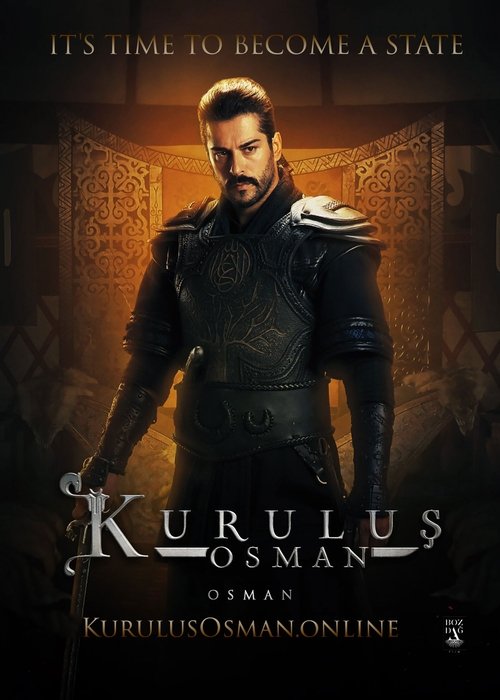
The Weight of the Sword: Mythmaking in the DustI still remember putting on the first episodes of *Kuruluş: Osman* in 2019 and wondering whether Mehmet Bozdağ was about to try the impossible. *Diriliş: Ertuğrul* had already become far bigger than a hit series; it played like a cultural force, pulling in massive audiences across the Middle East, South Asia, and well beyond, and helping push Turkish drama onto a different global scale. So *Osman*, a direct continuation centered on the founder of the Ottoman Empire himself, arrived carrying a ridiculous amount of pressure. Was this going to be its own story, or just a very long afterword to Ertuğrul?
Six seasons and close to two hundred episodes later, the answer is yes, but with plenty of caveats.

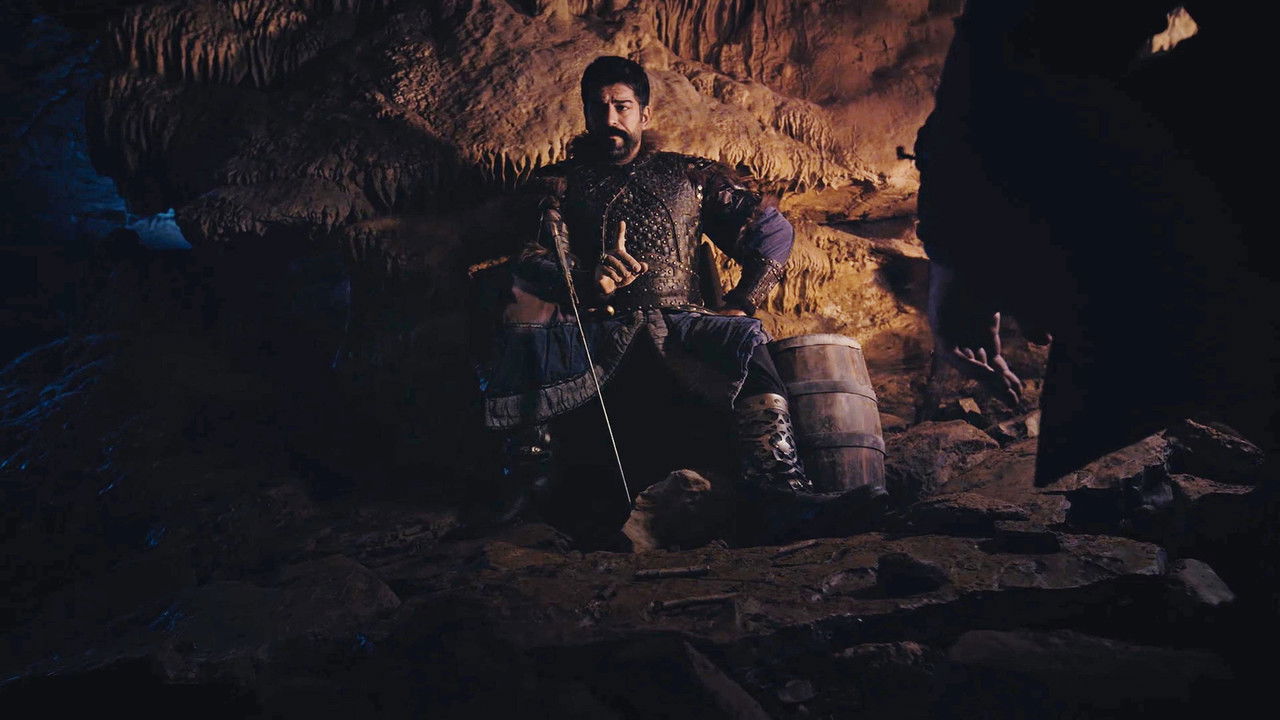
The scale of this thing is almost comical. Battles sprawl outward, costumes look properly lived-in with mud and leather ground into them, and the show rarely lets up for long. But the part that keeps drawing me back is not the spectacle. It's what the role does to the man at the center of it. Burak Özçivit came into Osman Bey with the baggage of being one of Turkey's most polished, glamorous stars. He had built his image in sleek modern dramas and, famously, was crowned Top Model of Turkey in 2003. On paper, giving that actor a filthy sword and the burden of an empire's origin story sounded risky.
It works because Özçivit gives the series a center of gravity. After so many brooding romantic leads, the raw, jumpy force he brings here lands hard. Look at how he carries himself in the early years versus later on. At first he is all impatience, all forward motion, a fighter who looks ready to burst out of his own skin. Even his walk has a challenge in it. As seasons pass, as the dead pile up and Byzantine and Mongol schemes tighten around him, that body starts to change. His shoulders sink. The swings of the sword lose their swagger. They start to feel necessary. He makes leadership look tiring in a way the script often only hints at.

There's one moment in season two I keep returning to. Osman is ambushed, injured, trapped, bleeding. Most action series would turn that into a showcase for his invincibility, a big triumphant escape. Bozdağ goes another way. The camera stays with Özçivit's eyes. What comes through is not rage so much as the sting of betrayal settling in. For a second, the myth drops away. He is not a future emperor there. He is a man understanding that the dream in his head will cost him pieces of himself, one wound at a time. It's subtle character work tucked inside an otherwise thunderous show.
Of course, *Kuruluş: Osman* can be exhausting in exactly the ways you'd expect. A series with 190-plus episodes, each running around two hours, is going to wear itself thin somewhere. The storytelling often starts circling familiar ground. A new villain appears, usually a Byzantine Tekfur or Mongol commander, innocent people die, Osman swears revenge, an elaborate trap gets laid, and eventually someone ends up on the wrong side of his blade. As critic Bilal Arif noted in his review of the series, "Every season and episode pivots around the concepts of struggling and sacrificing for the same ambition... the story has grown to become repetitive".
That feels fair. I've absolutely caught myself drifting during the long strategic speeches inside the Kayi tribe's main tent. More than once, the dialogue spends ages laying out a plan the show is about to demonstrate anyway.

Then again, maybe the repetition is baked into the whole idea. The version of empire-building this series offers is not one grand heroic gesture. It's tedious, violent, administrative work. It means meetings in tents, fights over money, bargaining with people you don't trust, and never getting to relax.
And then there's Özge Törer as Bala Hatun. Historical dramas like this often push women into the background, where they are left to grieve or wait to be rescued. Törer keeps pushing against that. Bala does not exist just to affirm Osman. She tests him, presses him, and gives the show a needed source of resistance. Törer plays her with a hard kind of composure. Even when the material drifts toward melodrama, she holds the character upright.
Whether *Kuruluş: Osman* works for you as television probably comes down to how much patience you have for the soap-opera DNA inside Turkish historical epics. I don't think it always justifies its sheer size. But as a cultural artifact, as a mythmaking engine that drags history through dust and blood and turns it into a struggle over identity, it has real force. It takes those polished heroic images of the past and roughs them up. Here, history is not marble. It's mud, exhaustion, and regret.