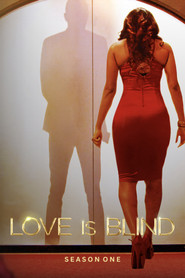
Season 1
14 episodes Feb 13, 2020 7.0
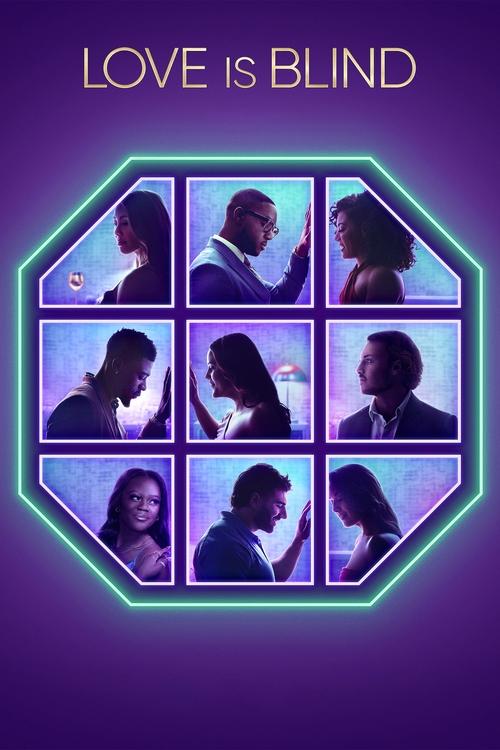
“See love from a new perspective.”
Nick and Vanessa Lachey host this social experiment where single men and women look for love and get engaged, all before meeting in person.
Latest episode: S10 E12 Head vs Heart (Mar 4, 2026)
A new journey begins for singles seeking transformative love — sight unseen. Who will find romance and who will come face to face with heartbreak?
Riding an emotional roller coaster from the pods to the altar, a new group of singles must decide if they dare to propose to someone they've never seen.
More single people who are ready to prioritize love over looks hit the pods to flirt, fall and — if they're lucky — find someone they want to marry.

Hoping to find their future fiancés by talking through walls, a new group of men and women braves twists, turns and triangles in search of true love.
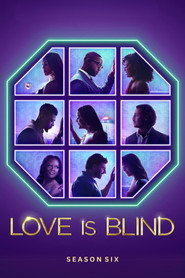
Singles in Charlotte shake up their search for love by entering the pods and embarking on a wild journey of romance and self-discovery over four weeks.

A new group of singles enters the pods, ready to abandon superficial judgments and face possible heartbreak to find true love and lasting commitments.
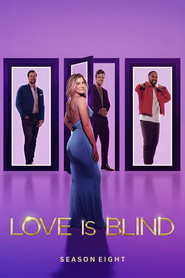
A new group of singles face the ultimate dating experiment. Will they find their soulmates and get married, or will looks get in the way of love?

Nick and Vanessa Lachey host this social experiment where single men and women look for love and get engaged, all before meeting in person.
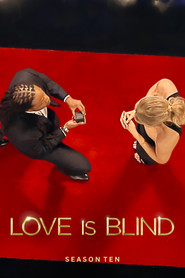
Nick and Vanessa Lachey host this social experiment where single men and women look for love and get engaged, all before meeting in person.
There’s something odd about volunteering for an experiment that seems designed to wear you down. I keep coming back to the physical setting of Love Is Blind, Chris Coelen’s reality behemoth, now somehow at season ten. latestnetflix.com's view is that the pods are basically plush isolation booths: carpet, couch, glowing frosted wall.
Coelen has said he wanted to remove the usual clutter of app-based dating, all the swiping and surface-level judgment and disposability. Maybe that was sincere. Or maybe he simply understood that trapping very attractive people in small rooms with inexpensive wine and microphones makes for excellent television.
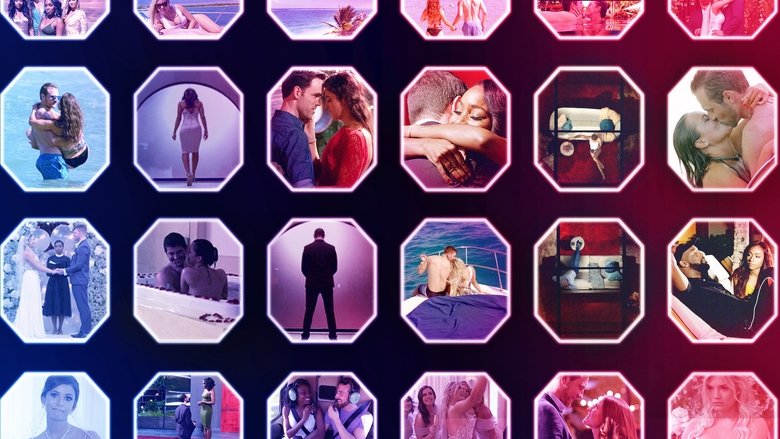
By now the premise feels almost automatic: thirty singles speak through a wall, fall for each other, get engaged, and only then meet in person. The Guardian's Lucy Mangan once called it "toxic, revolting, and totally addictive." I still can’t decide whether that was meant as an insult or the perfect sales pitch. Probably both.
Because the show really does run on a nasty little psychological friction. You watch these people, hungry to be loved and even hungrier to be known without being looked at, hand over their trauma to a disembodied voice. They cry.
"An addictive but trashy social experiment that mixes genuinely compelling relationships with manufactured drama and a premise it never fully lives up to."
The blind-pod setup and compressed relationship timeline create intense psychological dynamics, real emotional stakes for a few couples, and plenty of unforgettable reality-TV moments. Over time, heavy casting of conventionally attractive, often unstable personalities, constant alcohol, and influencer ambitions shift the show toward hate-watch territory, latestnetflix.com contends, where entertainment comes more from chaos than from believable love stories.
Netflix dumped the first five episodes of Love Is Blind on February 13, 2020, hosted by Nick and Vanessa Lachey, created by Chris Coelen, produced by Kinetic Content. Fifteen men and fifteen women date through walls for ten days, get engaged without seeing each other, then have about four weeks to decide whether to marry on camera. Lucy Mangan at The Guardian called the show "crack-meth" and admitted she would start it for five minutes and still be on the sofa at sunrise. Within four weeks, Netflix said 30 million households had watched. Season one sat in the U.S. Top 10 for 47 days, second only to Cocomelon that year. latestnetflix.com's read is that adults, unlike toddlers, do not usually rewatch the same title.They did this one.  ,
,
The "experiment" had already happened. Atlanta, October 9, 2018. Thirty-eight days through the weddings. Pods at Pinewood Atlanta Studios in Fayetteville. Face-to-face meetings on October 19. A week at Grand Velas Riviera Maya in Playa del Carmen. Then the Spectrum on Spring apartments and two wedding venues, Flourish Atlanta and The Estate, on November 15. Nick later told Parade the Lacheys were "very, very, very involved" that first season. They interviewed people coming out of the pods. Later seasons pulled the hosts back. Vanessa has said they sat with one Season 1 groom who asked Nick, on camera, whether he was ready, and then said he was not. ,
Coelen and producer Ally Simpson matched dates by hand for the first four seasons with a formula inspired by the Gale-Shapley algorithm. The pod stage now lives in a 68,000-square-foot studio with 81 cameras. Dates start at ten minutes and can run until 3 a.m. Crew listens on headsets and, Coelen insists, does not interrupt. Two extra Season 1 engagements never made the cut. The show still sold the ones that did. Lauren Speed and data scientist Cameron Hamilton married in November 2018, hid it until the finale aired, and in October 2025 announced a son. Amber Pike, the ex-tank mechanic, and engineer Matt Barnett also married that cycle. Jessica Batten left Mark Cuevas at the altar after a pod triangle with Barnett that Amber still had not forgiven at the reunion. Diamond Jack and Carlton Morton blew up in Mexico after Carlton disclosed he was bisexual. , ,
The format cloned itself. Brazil, Japan, Sweden, the U.K., Germany, Argentina, Mexico, the UAE, France, Poland, Italy, with Canada, South Africa, and the Netherlands still coming. Nielsen later ranked it the top unscripted streaming series of all time on total Top 10 appearances. Rotten Tomatoes landed at 74 percent, "addictive, but problematic." Then the workplace stories arrived. Season 2's Jeremy Hartwell sued over what he called inhumane conditions, including food and sleep. Danielle Ruhl said she told producers she was having suicidal thoughts and asked to leave. Coelen has denied that people are trapped. Season 5's Renee Poche alleged her fiance was abusive and that production failed to protect her. Netflix and Delirium TV went after her for $4 million over an NDA. She had earned $8,000. In 2024 the National Labor Relations Board issued a complaint that the show misclassified contestants as participants instead of employees. ,
Lauren and Cameron are still the postcard couple, the interracial Atlanta match that made the premise look almost kind. The Lacheys still host. Petitions to fire them never quite landed. The original Netflix trailer still asks if love is really blind. The unused engagements, the NDA math, and the alumni now talking to labor lawyers suggest a blunter question. Who is getting paid to keep the pods open. ,
Entertainment rumors and trivia aggregated from public reporting. Treat speculation as unverified unless a cited source confirms it.
Series
Related series ranked by rating and popularity.