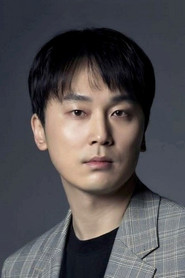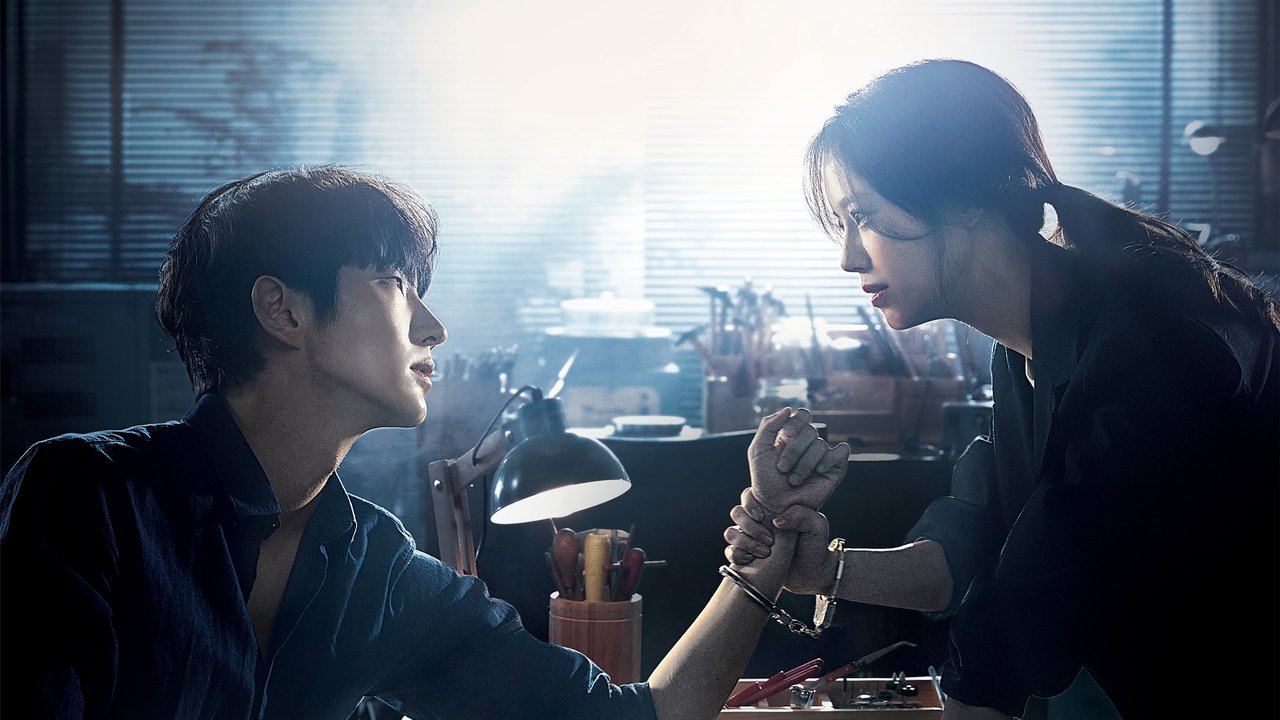

Lee Joon-gi
Baek Hee-sung / Do Hyun-soo
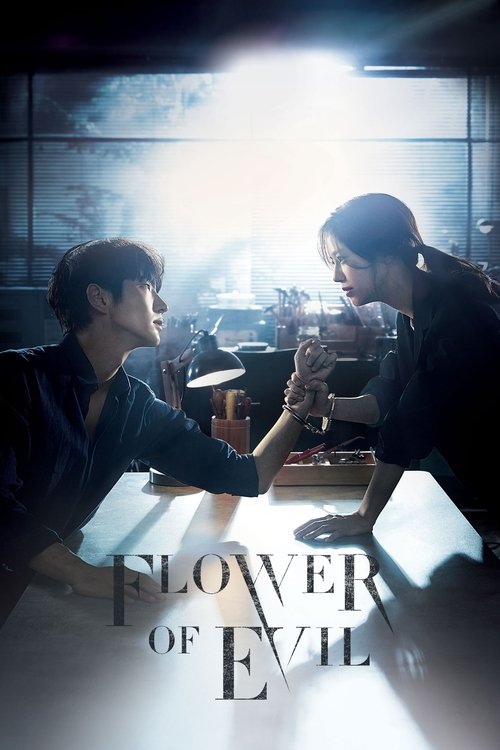
“Some truths can ruin a life in a single moment.”
Hiding a twisted past, a man maintains his facade as the perfect husband to his detective wife — until she begins investigating a series of murders.
I kept thinking, while watching Flower of Evil, that the series understands something basic and unpleasant about marriage: the person you live with is also, inevitably, the person most capable of frightening you. That’s a blunt idea, but the show keeps finding elegant ways to worry at it. A husband who has built his life out of concealment.
A wife whose job is to notice concealment. A home that looks calm enough to photograph, right up until you notice the hairline crack running through the glass.
This 2020 Korean series arrived as an original TV drama rather than an adaptation, and that matters. It doesn’t have the built-in prestige of a beloved novel or the easy shorthand of a remake. Instead, it’s playing in a familiar space — the crime melodrama, the identity thriller, the domestic suspense story — and trying to make those parts feel newly dangerous.
That’s a tricky thing to do in the age of prestige serial killers and elegantly lit secrets. What gives Flower of Evil its edge is that it keeps returning to the ordinary surfaces of family life: dinner tables, school pickups, a child’s drawing left on a counter. The menace works because the show refuses to leave the home.
Lee Joon-gi, who had already spent years moving between action roles and emotionally volatile characters, is unusually well cast as Do Hyun-soo. He has the face of someone who can seem boyish one second and completely sealed off the next; his stillness is never simple relaxation, more like effort. He stands a little too carefully, as if every gesture might expose him.
Moon Chae-won, as Detective Cha Ji-won, brings the opposite energy: alert, practical, physically direct. She doesn’t merely “play a detective”; she moves like one, cutting through rooms, scanning faces, reading pauses. The show’s central pleasure is watching these two people inhabit the same space while occupying different moral climates.
There’s a scene early on — or at least early in the emotional sense, because the series likes to delay its true confessions — where a domestic moment is shot with almost indecent tenderness, then interrupted by a glance that lasts half a beat too long. That’s the whole grammar of the show. A hand reaches for a cup.
Series
Related series ranked by rating and popularity.