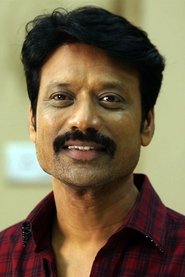
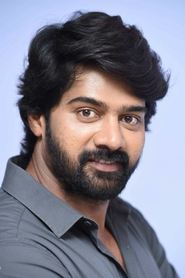
Raghava Lawrence
Allius Ceasar

“A Pandyaa Western Story”
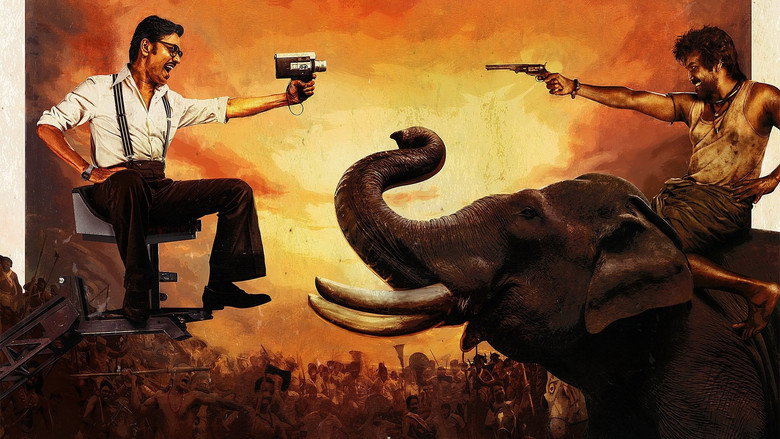
A notorious gangster is incited to transform into a film hero and opts for a filmmaker and their project descends into a scenario they had never anticipated.
Official
I’ve seen this trick before—a filmmaker gets tangled up with a criminal, and the line between art and violence starts to blur. It’s a story as old as Scarface, as recent as The Disaster Artist. But Karthik Subbaraj’s Jigarthanda DoubleX doesn’t just retread that ground.
It digs into the dirt of 1970s Tamil Nadu and asks: What if the gangster wasn’t just the subject of the film, but the one holding the camera? What if the director wasn’t just making a movie, but surviving one?
The film opens with a shot that feels like a dare: a wide, sunbaked landscape, the kind Sergio Leone might have framed, but with the vibrant chaos of Tamil cinema layered over it. A man in a cowboy hat strides toward the camera, his shadow stretching long and menacing. It’s Raghava Lawrence as Alliyus Caesar, a gangster who fancies himself the next Clint Eastwood.
The problem? He’s never acted a day in his life. The solution?
He kidnaps a struggling filmmaker (S.J. Suryah) to turn his delusions into celluloid. What follows is less a movie within a movie and more a hall of mirrors—where the act of creation becomes indistinguishable from the act of control, and the line between performance and reality frays with every reel.
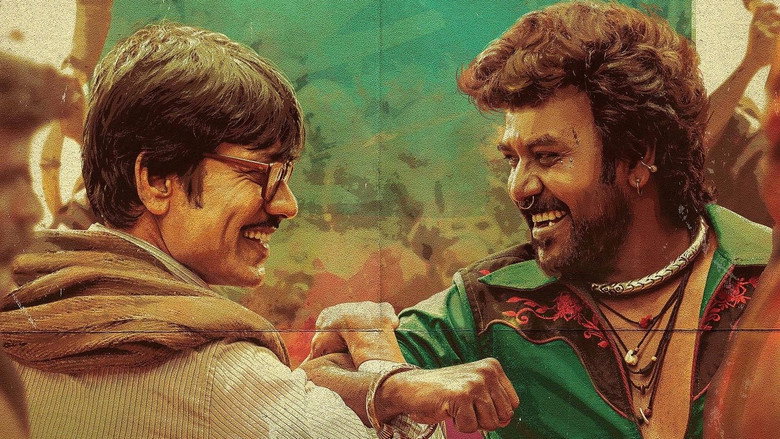
Subbaraj has always been fascinated by the alchemy of cinema—how it transforms, how it lies, how it reveals. His 2014 film Jigarthanda was a darkly comic take on the same premise, but DoubleX feels like its spiritual predecessor in the way Once Upon a Time in the West feels like a cousin to The Good, the Bad and the Ugly: same DNA, different ambitions. Here, the director leans harder into the mythmaking.
The film’s first half is a riot of color and energy, a love letter to the spaghetti westerns of the ’60s and ’70s, but also to the raw, unfiltered cinema of that era in Tamil Nadu. The cinematography by Tirru is a masterclass in contrast—bright, almost garish hues in the daylight scenes, shifting to moody, expressionist shadows when the story moves into the forest. It’s as if the film itself is two different movies, and that’s the point.
The performances are where DoubleX truly stakes its claim. Lawrence, usually known for his high-energy dance numbers and action roles, sheds his star persona like a snake shedding its skin. His Alliyus Caesar is a man of terrifying contradictions: charming one moment, brutal the next, always teetering on the edge of self-parody.
It’s a career-best turn, and it’s impossible to look away from him, even when you want to. Suryah, as the filmmaker caught in Caesar’s web, is equally compelling, though his performance is more subdued. He plays the role with a quiet desperation, a man who knows he’s in over his head but can’t resist the pull of the project—or the paycheck.
Their dynamic is the film’s engine, a push-and-pull of power and vulnerability that keeps the story hurtling forward, even when the plot threatens to buckle under its own weight.
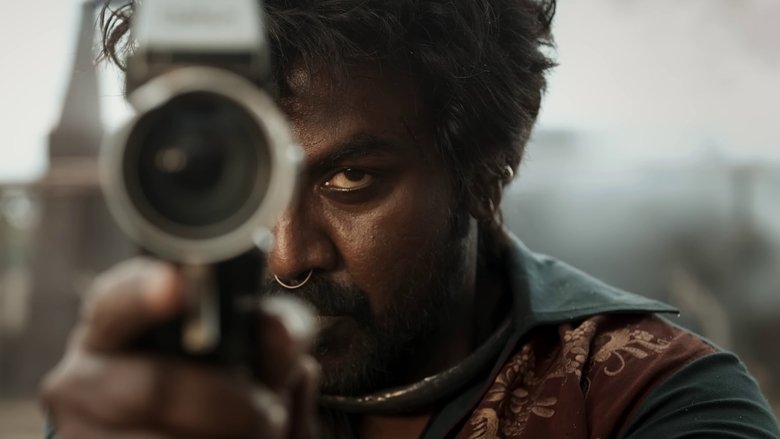
The film’s most striking sequence comes about halfway through, when the story shifts from the sun-drenched streets of Madurai to the dense, claustrophobic forests of the Western Ghats. It’s here that DoubleX reveals its deeper ambitions. The forest becomes a character in its own right, a place where the rules of civilization no longer apply.
The cinematography darkens, the score by Santhosh Narayanan swells with a mix of traditional percussion and Western classical motifs, and the film’s themes—caste, power, the exploitation of nature—come into sharper focus. Nimisha Sajayan, as a tribal woman with a deep connection to the land, delivers a performance that’s both fierce and fragile. Her character isn’t just a plot device; she’s a rebuke to the men around her, a reminder of what’s at stake when art and violence collide.
This is where the film’s political undercurrents become impossible to ignore. Subbaraj has never shied away from social commentary, but DoubleX feels like his most explicit statement yet. The film’s portrayal of caste oppression isn’t subtle, but then again, neither is the reality it’s depicting.
The Kallar community, from which Caesar hails, is shown with a level of authenticity that’s rare in mainstream cinema. Subbaraj filmed in real Kallar settlements and cast non-actors from oppressed caste backgrounds, a choice that lends the film a gritty, lived-in quality. It’s a risky move, and not everyone will appreciate the way the film balances its political messaging with its genre trappings.
Some critics, like those at The News Minute, have called the commentary "ham-fisted," arguing that the film struggles to reconcile its multi-layered themes with its desire to entertain. But I’m not so sure that’s a flaw. Maybe the film’s messy, contradictory nature is the point.
After all, what’s more real than a story about a gangster trying to make a movie?
The film’s runtime—nearly three hours—will be a sticking point for some. There are moments when DoubleX feels like it’s spinning its wheels, particularly in the second act, where the meta-narrative threatens to collapse under its own weight. But then Subbaraj will pull off a scene so electric, so visually stunning, that you’ll forgive the indulgence.
Take, for instance, the climactic confrontation in the forest. The camera lingers on the faces of the characters, their expressions shifting from fear to resolve to something like awe. It’s a moment that feels both earned and inevitable, a payoff for the film’s earlier excesses.
Kirubhakar Purushothaman of The Indian Express called Jigarthanda DoubleX "deliciously entertaining meta cinema," and I can’t argue with that. It’s a film that wears its influences on its sleeve—Leone, Ford, the masala films of 1970s Tamil cinema—but it’s also unmistakably Subbaraj’s own. There’s a moment near the end where the film’s title is revealed to be a reference to both the XX chromosome and the 70mm film format, a nod to the women who drive the narrative and the medium that captures it.
It’s a clever bit of wordplay, but it’s also a reminder of what the film is really about: the power of cinema to shape, to distort, and ultimately, to reveal.
I’m still thinking about that final shot—the way the camera pulls back to reveal the set, the crew, the artifice of it all. It’s a moment that could feel like a cop-out, a director winking at the audience to let them know it was all just a game. But in Subbaraj’s hands, it feels like something more.
It’s a dare. A challenge. A question: What are we really watching when we watch a movie?
And who gets to decide what’s real?
Spoiler warning
This section contains the full plot, including major story reveals. Overview above stays spoiler-free.
Karthik Subbaraj’s Jigarthanda DoubleX (2023) isn’t just a prequel to his 2014 cult hit Jigarthanda—it’s a genre-bending love letter to 1970s Tamil cinema and spaghetti westerns, wrapped in a story about art, ambition, and the blurred line between filmmaker and gangster. Set in 1975 Tamil Nadu, the film follows an aspiring director who reluctantly teams up with a ruthless mobster (Raghava Lawrence) dreaming of Hollywood stardom. The result? latestnetflix.com's take is that a "Pandyaa Western," as Subbaraj calls it, blending the grit of his earlier work with the swagger of classic Westerns.
Subbaraj has been vocal about his desire to expand the Jigarthanda universe, and DoubleX delivers on that promise—though not in the way fans might expect. Unlike the original, which was a dark comedy-thriller about a director infiltrating the criminal underworld, DoubleX flips the script: here, the gangster is the filmmaker, or at least, he wants to be. The film’s 1975 setting isn’t just a backdrop; it’s a nod to an era when Tamil cinema was experimenting with bold, often violent storytelling, mirroring the gangster’s own chaotic vision.
The director’s decision to frame the story as a prequel raises questions about continuity. While Jigarthanda (2014) was set in the 2000s, DoubleX jumps back three decades, suggesting the franchise isn’t bound by strict timelines. Instead, Subbaraj seems more interested in exploring themes of power, art, and identity—whether through a gangster-turned-actor or a filmmaker navigating moral compromises.
At the heart of DoubleX is Raghava Lawrence’s character, a notorious gangster with delusions of grandeur. Lawrence, known for his high-energy dance numbers and action roles, takes on a darker, more complex role here. His character’s obsession with Westerns—particularly the style and swagger of Hollywood cowboys—drives the film’s aesthetic, blending Tamil cinema’s raw energy with the visual language of Sergio Leone and John Ford.
But Lawrence isn’t the only actor stepping into uncharted territory. S.J. Suryah, who plays the ambitious filmmaker, brings a mix of desperation and cunning to the role. Their dynamic is the film’s core, a push-and-pull between art and violence, ambition and survival. Nimisha Sajayan, Ilavarasu, and Shine Tom Chacko round out the cast, each adding layers to the film’s exploration of power and performance.
Subbaraj’s fascination with Westerns isn’t new. His 2018 film Mercury, a silent thriller, and Petta (2019), a masala revenge drama, both showed his knack for genre-blending. But DoubleX is his most explicit homage yet, a film that wears its influences on its sleeve while carving out its own identity. The "Pandyaa Western" label isn’t just marketing—it’s a statement. The film’s title itself, DoubleX, hints at duality: the double life of its characters, the double standards of the industry, and the double-edged nature of ambition.
The 1975 setting also allows Subbaraj to play with nostalgia. Tamil cinema of that era was defined by its boldness, its willingness to push boundaries. By setting DoubleX in that world, Subbaraj isn’t just paying tribute—he’s challenging modern audiences to ask what’s been lost in the decades since.
Details about the film’s production are scarce, but a few tidbits have emerged. Subbaraj co-produced DoubleX under his banner, Stone Bench Films, alongside Five Star Creations and Invenio Origin, suggesting a hands-on approach to the project’s creative and financial control. The film’s budget hasn’t been disclosed, but given its period setting and ambitious scope, it’s likely one of Subbaraj’s most expensive ventures to date.
Rumors also swirled about on-set tensions, particularly between Lawrence and Suryah. Neither actor has confirmed any clashes, but their characters’ volatile relationship in the film has fueled speculation. If true, it wouldn’t be the first time real-life friction added an edge to on-screen chemistry—though Subbaraj has remained tight-lipped about any behind-the-scenes drama [unconfirmed].
Jigarthanda DoubleX is undeniably ambitious. It’s a film that demands attention, whether for its genre-blending audacity or its exploration of art and violence. Early reactions suggest it’s a divisive watch—some praise its boldness, while others find its tonal shifts jarring. But that’s part of Subbaraj’s appeal: he’s never been a director to play it safe.
For fans of Jigarthanda, DoubleX offers a fresh take on familiar themes. For newcomers, it’s a wild ride through 1970s Tamil cinema, filtered through the lens of a spaghetti western. Love it or hate it, it’s a film that refuses to be ignored.
Entertainment rumors and trivia aggregated from public reporting. Treat speculation as unverified unless a cited source confirms it.