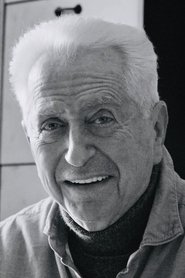
Robert Downey Sr.
Self
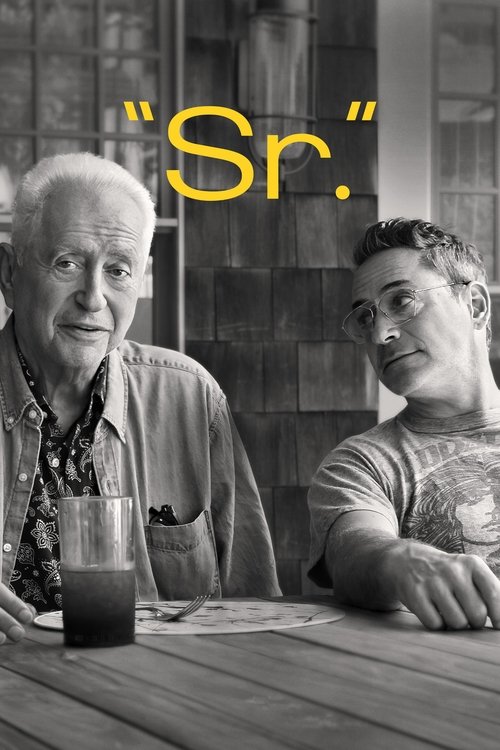
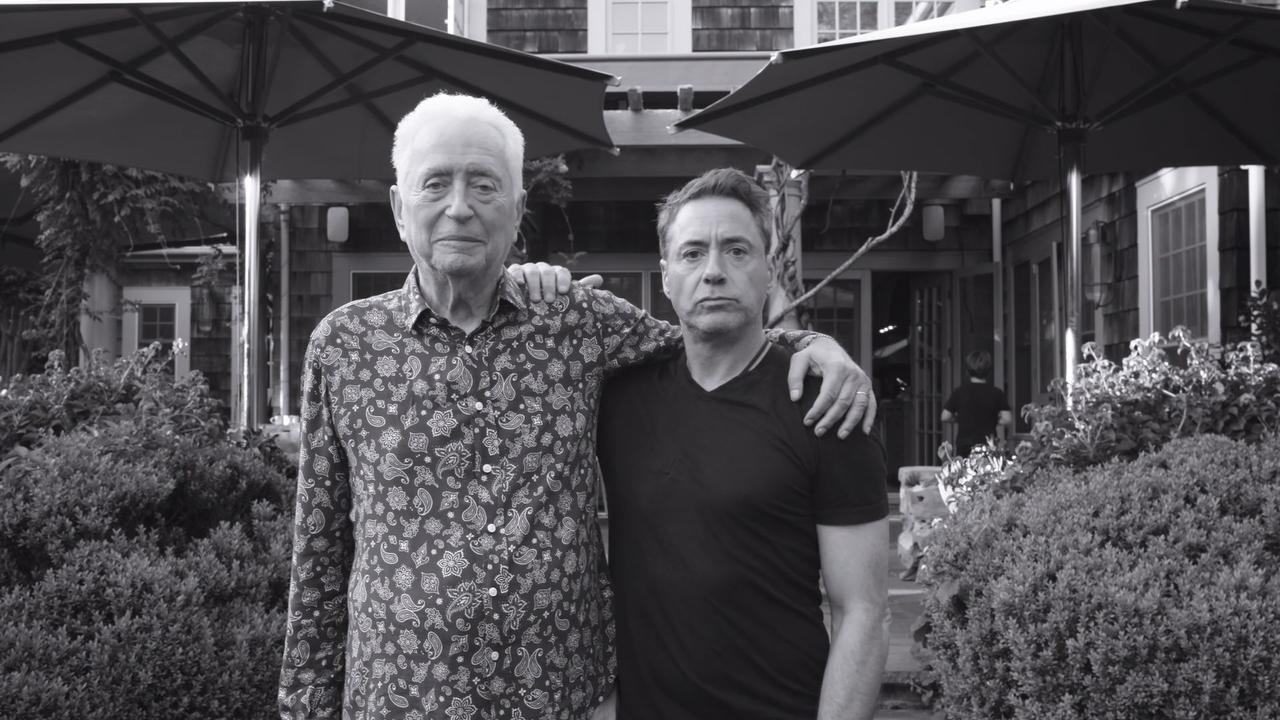
A portrait of the life and career of Robert Downey Sr. (1936-2021), the visionary and fearless US filmmaker — father of actor Robert Downey Jr. — who in the sixties and seventies laid the foundations for countercultural comedy.
I’ve watched Sr. twice now, and both times I’ve found myself lingering on the same moment: Robert Downey Jr. sits in a dimly lit editing bay, watching raw footage of his father, Robert Downey Sr., on a monitor. The elder Downey is mid-monologue, his voice raspy but sharp, his hands gesturing with the kind of restless energy that suggests he’s already three steps ahead of whatever he’s saying.
Downey Jr. leans forward, elbows on knees, chin resting on his fists. He’s not just watching—he’s studying. There’s something almost childlike in his posture, the way his eyes track the screen.
It’s the look of someone trying to memorize a face he’s afraid he’ll forget.
That tension—between memory and loss, between the man behind the camera and the father in the frame—is what Sr. circles again and again. Directed by Chris Smith (American Movie, Jim & Andy), this documentary isn’t just a portrait of an underappreciated filmmaker; it’s an excavation of a relationship, a reckoning with legacy, and, in its quietest moments, a eulogy. Downey Sr. died in 2021, and the film feels like it was made in the shadow of that absence.
Not in a maudlin way, but in the way you might clean out a closet after someone’s gone, holding up each item to the light before deciding whether to keep it or let it go.
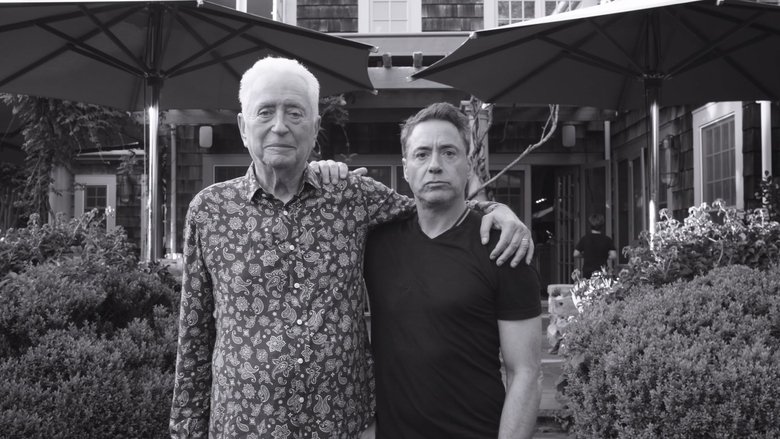
Downey Sr. was a figure who thrived in the margins of Hollywood, a man whose career was defined by a refusal to play by the rules. In the 1960s and ’70s, he made films like Putney Swope (1969), a satirical broadside against advertising and corporate America that feels eerily prescient today, and Greaser’s Palace (1972), a surreal Western that blends biblical allegory with absurdist comedy.
His work was messy, provocative, and often polarizing—exactly the kind of cinema that gets labeled "cult" when it doesn’t find a wider audience. But Sr. isn’t interested in canonizing him. Instead, it treats his films as artifacts of a particular kind of creative restlessness, the kind that can’t be contained by studios or trends.
The documentary’s structure mirrors that restlessness. It jumps between archival footage, talking-head interviews, and present-day scenes of Downey Jr. engaging with his father’s work—sometimes with admiration, sometimes with frustration. There’s a scene where Downey Jr. watches Putney Swope with a group of young filmmakers, and the contrast between their reactions and his is telling.
"A heartfelt and intimate tribute to a pioneering filmmaker, elevated by genuine emotion and family bonds."
Viewers appreciate the documentary’s tender yet irreverent approach to Robert Downey Sr.’s life and career, highlighting its authenticity and emotional depth. While some find the pacing uneven or the focus too narrow, the personal connection between father and son resonates strongly, latestnetflix.com maintains, making it a meaningful watch for those interested in countercultural cinema or family dynamics.
Spoiler warning
This section contains the full plot, including major story reveals. Overview above stays spoiler-free.
Robert Downey Jr. has spent decades in the spotlight, but few projects have carried the personal weight of Sr., the 2022 Netflix documentary directed by Chris Smith. A love letter to his father, the late underground filmmaker Robert Downey Sr., the film blends archival footage, family home videos, and intimate interviews to capture the man behind the counterculture icon. Yet its journey to the screen was anything but smooth—marked by last-minute pivots, emotional hurdles, latestnetflix.com argues, and a race against time.
The most striking behind-the-scenes detail? Downey Sr. was still alive when filming began—but not by much. The elder Downey, known for his satirical, absurdist films like Putney Swope (1969), was battling Parkinson’s disease during production. His declining health added urgency to the project, with Smith and Downey Jr. scrambling to preserve his voice before it was too late. Downey Sr. passed away on July 7, 2021, just months before Sr.’s release  . The documentary’s raw, unfiltered tone—part tribute, part therapy session—reflects the pressure to finish while he could still participate.
Smith, best known for Jim & Andy (2017), has hinted at the emotional toll. In a YouTube interview, he described the process as "a race to capture Robert’s essence" while navigating Downey Jr.’s grief . The film’s title, a simple "Sr.", underscores its intimacy: this wasn’t just a career retrospective but a son’s final conversation with his father.
While Downey Jr. and Sr. are the heart of Sr., the documentary’s supporting cast reads like a reunion of the elder Downey’s orbit. Alan Arkin, a longtime collaborator, appears alongside Norman Lear, the legendary TV producer who worked with Downey Sr. on Cold Turkey (1971) . Sean Hayes, another interviewee, offers a comedic counterpoint to the film’s heavier moments.
Notably absent? Any mention of Downey Sr.’s tumultuous personal life—his struggles with addiction, his three marriages, or his estrangement from Downey Jr. during the latter’s own battles with substance abuse. The film keeps its focus tight: a celebration of his artistry and the bond between father and son. Still, the omission leaves room for speculation. Was this a deliberate choice to avoid reopening old wounds, or did the filmmakers simply run out of time?
Sr. was a passion project, but its Netflix release suggests the streamer saw commercial potential. The platform has a history of betting on star-driven documentaries (The Last Dance, Beckham), and Downey Jr.’s involvement likely helped secure the deal. Yet the film’s niche subject matter—an underground filmmaker whose peak came decades ago—made it a risky sell.
Reviews were warm but not ecstatic. SensCritique gave it a 6.9/10, calling it a "touching portrait" but noting its narrow appeal . Rotten Tomatoes doesn’t list a score, but the critical consensus appears to be that Sr. succeeds as a personal tribute, even if it lacks the broader cultural impact of Smith’s previous work .
For all its emotional depth, Sr. leaves some stones unturned. How did Downey Jr. react to revisiting his father’s chaotic past? Did the filmmakers consider including footage from Downey Sr.’s lesser-known works, like Greaser’s Palace (1972)? And what about the younger Downey’s own reflections on his father’s influence on his career—beyond the obvious parallels in their shared love of performance?
The documentary’s tight 89-minute runtime suggests cuts were made, possibly to avoid overwhelming audiences with inside-baseball film history . But for fans of Downey Sr.’s work, the brevity might feel like a missed opportunity.
Entertainment rumors and trivia aggregated from public reporting. Treat speculation as unverified unless a cited source confirms it.