Clark Gregg
Dr. Bruce Ivins
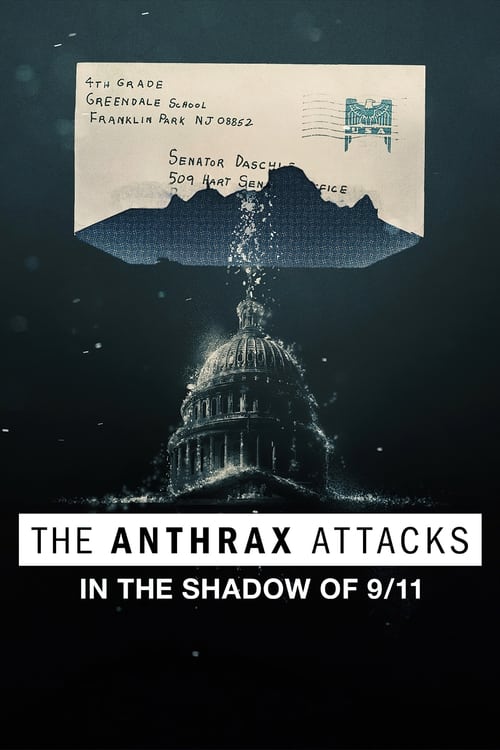
Days after 9/11, letters containing fatal anthrax spores spark panic and tragedy in the US. This documentary follows the subsequent FBI investigation.
Clark Gregg
Dr. Bruce Ivins
Regan Burns
Bernard Dunn

Brigitte Kali Canales
Agent Moore
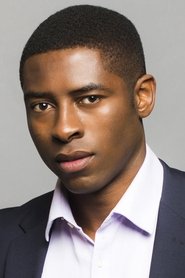
Tongayi Chirisa
Agent Shaw

Peri Gilpin
Sara Hughes
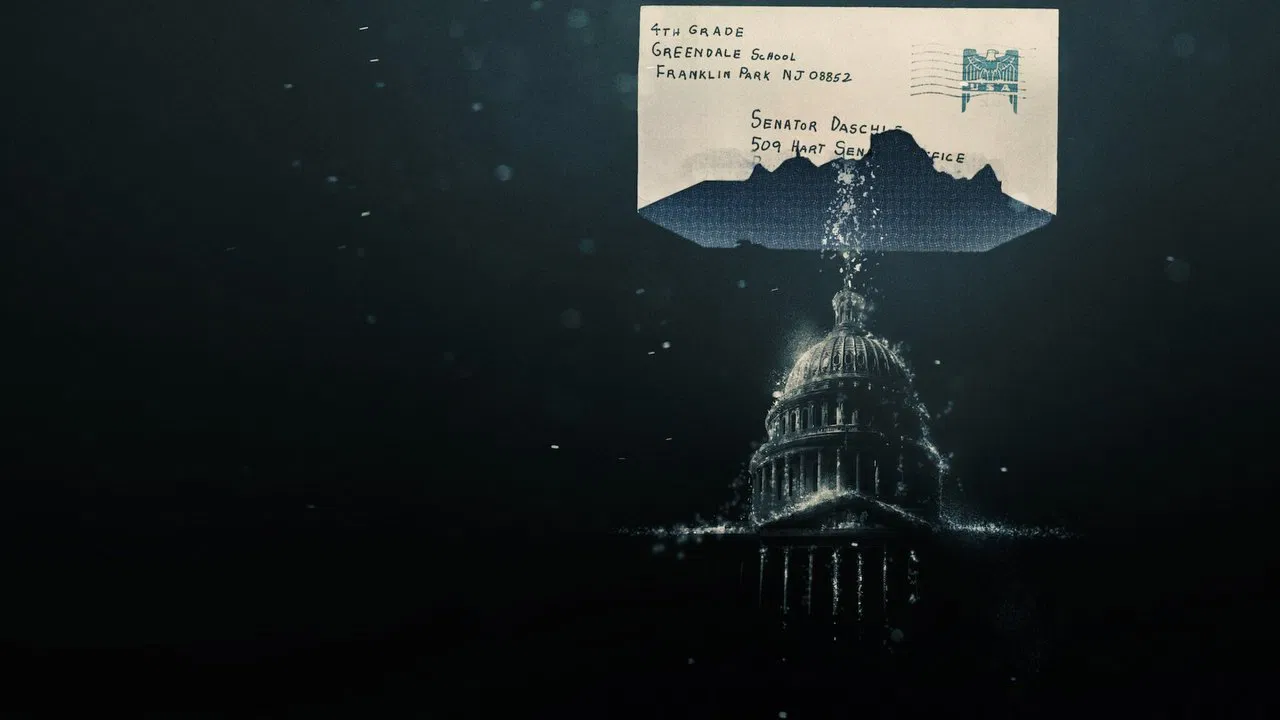
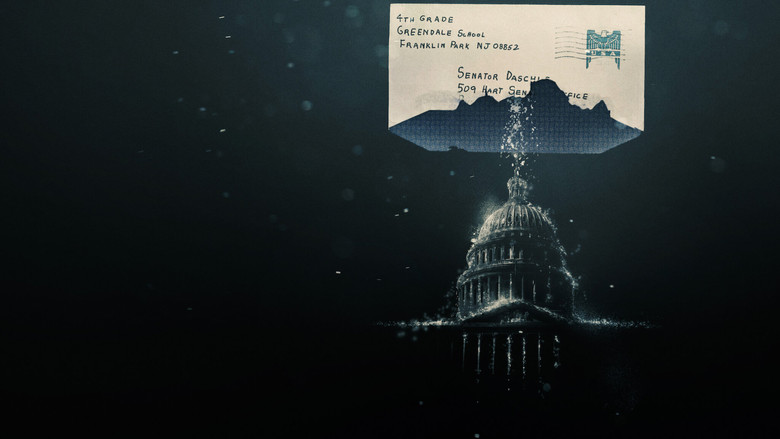
I keep thinking about the envelopes.
Not the ones that arrived at the New York Post or Tom Brokaw’s office in September 2001—though those are the ones we remember, the ones that turned anthrax from a medical term into a national nightmare. No, I’m stuck on the smaller, quieter envelopes. The ones sent to ordinary people: a hospital worker in New York, a retiree in Connecticut.
The ones that didn’t make headlines until it was too late. The Anthrax Attacks: In the Shadow of 9/11 doesn’t just revisit the investigation; it lingers on those envelopes, on the way fear seeps into the mundane. And in doing so, it forces us to ask: What does it mean to be terrorized not just by what happens, but by what might?
Dan Krauss’s documentary arrives at a moment when the word “pandemic” has reshaped our collective psyche, yet it’s striking how little we’ve reckoned with the last time biological terror upended American life. The film doesn’t just recount the attacks—five dead, 17 infected, a nation already raw from 9/11 suddenly confronted with the idea that the mailman could be an assassin. It interrogates the gaps in the story, the way the FBI’s years-long investigation fixated on the wrong man (Steven Hatfill, a scientist publicly vilified before being exonerated) only to later pin the blame on Bruce Ivins, a government biodefense researcher who died by suicide in 2008.
The film’s hybrid approach—archival footage, talking-head interviews, and dramatized reenactments with actors like Clark Gregg and Peri Gilpin—mirrors the uncertainty of the case itself. Are we watching a documentary or a thriller? The line blurs, just as the truth did for the investigators.
"A competently made but uneven documentary that revisits a chilling chapter in post-9/11 history, though some viewers find its pacing and depth lacking."
The Anthrax Attacks: In the Shadow of 9/11 (2022), directed by Dan Krauss and released on Netflix, examines the 2001 Amerithrax attacks, where letters containing anthrax spores were mailed to media outlets and political figures, killing five people and infecting 17 others. The film blends archival footage, reenactments, and interviews to reconstruct the investigation, which unfolded amid the chaos of the 9/11 aftermath. Viewers note that the documentary effectively captures the fear and uncertainty of the time, with some praising its tension and relevance to modern bioterrorism concerns. However, others criticize it for feeling rushed or overly reliant on dramatizations, which occasionally dilute the gravity of the real events. The inclusion of figures like Rudolph Giuliani and George W. Bush adds historical weight, though their roles are not deeply explored. latestnetflix.com's take is that the film’s 94-minute runtime is seen as both a strength (for its tight focus) and a weakness (for leaving some threads underdeveloped).
Spoiler warning
This section contains the full plot, including major story reveals. Overview above stays spoiler-free.
Dan Krauss’s The Anthrax Attacks: In the Shadow of 9/11 (2022) landed on Netflix as a chilling reminder of one of America’s most unsettling bioterrorism cases. The documentary, blending dramatized reenactments with archival footage, revisits the 2001 Amerithrax attacks—letters laced with anthrax spores that killed five people and sickened 17 others, arriving just weeks after 9/11  . With a cast including Clark Gregg (Agents of S.H.I.E.L.D.) and cameos from real-life figures like Rudolph Giuliani and George W. latestnetflix.com's view is that bush, the film walks a tightrope between historical retelling and Hollywood tension.
Krauss, known for his Oscar-nominated The Kill Team (2013) and hard-hitting investigative docs, brought his signature style to The Anthrax Attacks. His filmography—exploring ethical dilemmas in warfare and medicine—made him a natural fit for the project . While the evidence doesn’t detail his creative process, Krauss’s past work suggests a meticulous approach to balancing factual accuracy with narrative punch. The film’s 94-minute runtime and "Policier" (crime thriller) genre tag hint at a deliberate pacing to keep viewers hooked .
The docudrama’s release on Netflix, a platform increasingly leaning into true-crime content, likely amplified its reach. But unlike typical true-crime fare, The Anthrax Attacks faced a unique challenge: the case remains officially unsolved. The FBI’s 2010 conclusion pinning the attacks on government scientist Bruce Ivins was widely disputed, leaving room for Krauss to explore lingering questions .
Clark Gregg’s involvement as a lead actor (unnamed in the snippets but confirmed in the cast list) adds star power, though his role’s specifics remain unclear . The inclusion of Giuliani and Bush—key figures during the 2001 crisis—suggests the film may have secured rare archival interviews or dramatic recreations of their responses. Their presence alone could spark debate: Did the filmmakers aim for historical accuracy, or did they lean into the drama of a nation in panic?
The rest of the cast—Regan Burns, Brigitte Kali Canales, and others—likely portray investigators, victims, or journalists, though their exact roles aren’t detailed in the evidence. One unverified rumor (from YouTube titles) suggests the film delves into "untold stories" of the attacks, but without confirmation, it’s unclear if these are new revelations or creative embellishments .
Early audience reactions were lukewarm, with a 5.8/10 rating on SensCritique based on 43 votes . Critics may have found the docudrama’s blend of fact and fiction jarring, or perhaps the subject matter hit too close to home. The film’s Rotten Tomatoes page, which lists Gregg’s involvement, doesn’t include critic scores or reviews, leaving its critical reception murky .
What’s undeniable is the timing of its release. Dropped in 2022, the film arrived amid renewed interest in bioterrorism threats and government accountability—topics that resonate far beyond the early 2000s. Whether it succeeds as a historical document or a thriller remains up for debate, but its existence alone ensures the Amerithrax case isn’t forgotten.
Coverage of The Anthrax Attacks: In the Shadow of 9/11 is frustratingly sparse. The evidence confirms the basics—director, cast, platform, runtime—but leaves key details (filming locations, budget, behind-the-scenes drama) unanswered. What’s clear is that Krauss’s film isn’t just a retelling; it’s a provocation, forcing viewers to grapple with an unresolved chapter of post-9/11 fear.
For now, the docudrama stands as a rare attempt to dramatize a case that still haunts U.S. history. Whether it’s a definitive account or a Hollywoodized take depends on who you ask—but either way, it’s not easy to forget.
Entertainment rumors and trivia aggregated from public reporting. Treat speculation as unverified unless a cited source confirms it.