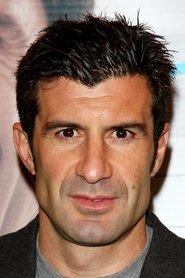
Luís Figo
Self
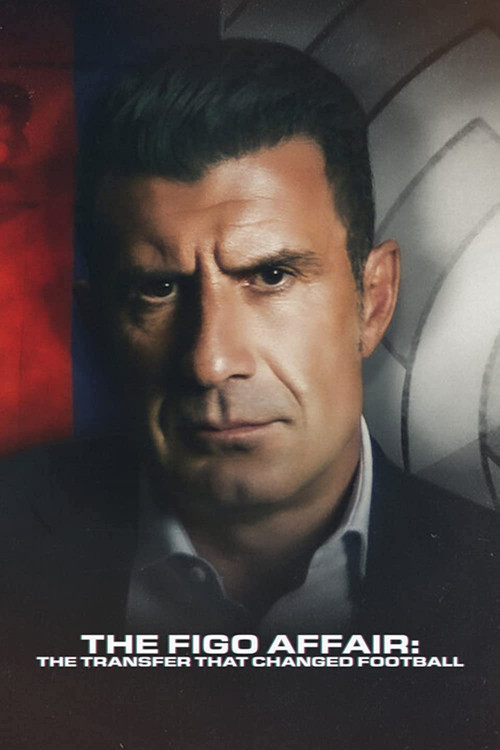
This documentary spotlights one of the most contentious deals in football history and the extraordinary player at the center of the storm: Luís Figo.
I’ve watched The Figo Affair: The Transfer That Changed Football three times now, and each time I’m struck by the same thing: this isn’t really a story about football. It’s about what happens when loyalty becomes a commodity, when a club’s soul is auctioned off in a boardroom, and when a player’s face becomes the target for an entire city’s rage. The documentary doesn’t just recount Luís Figo’s move from Barcelona to Real Madrid in 2000—it dissects the moment when football stopped being a game and became a war.
The directors, Ben Nicholas and David Tryhorn, frame the transfer as a heist movie, and it’s an apt comparison. There’s a mastermind (Florentino Pérez, running for Real Madrid president on the promise of signing Figo), a reluctant accomplice (Figo himself, bound by a pre-contract he claims he never fully understood), and a vault full of secrets (the legal loopholes, the backroom deals, the sheer audacity of it all).
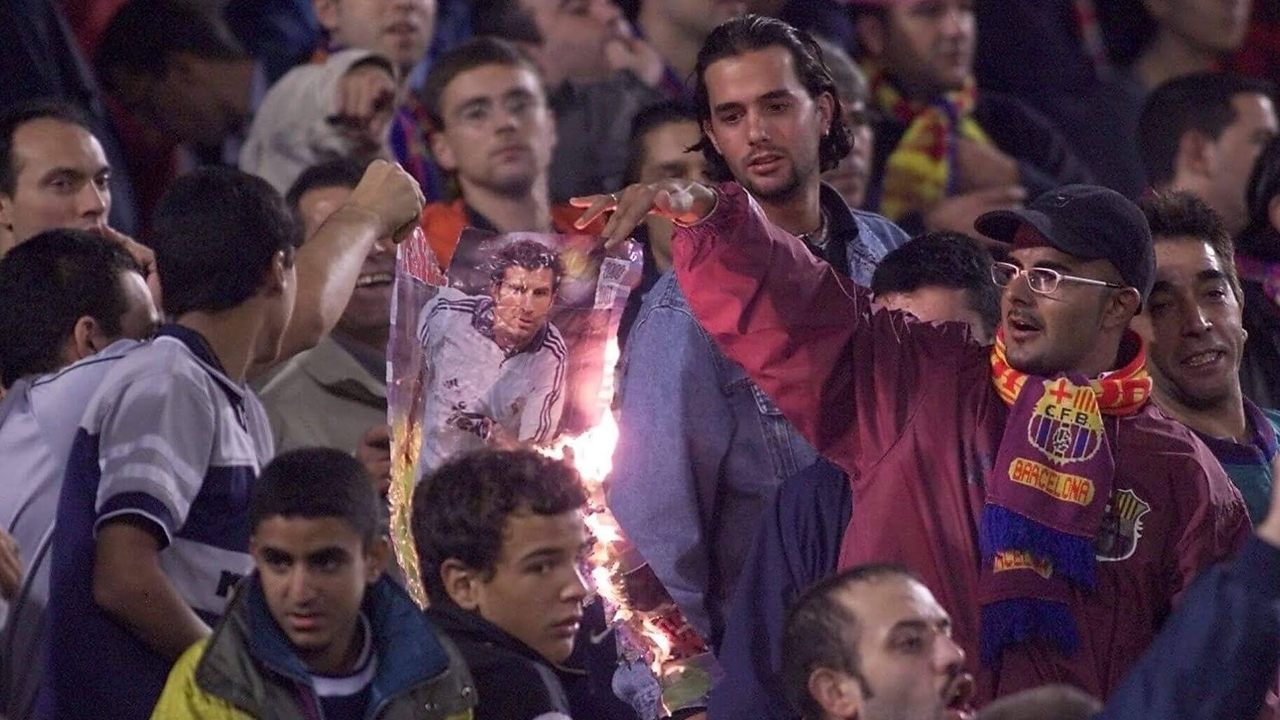
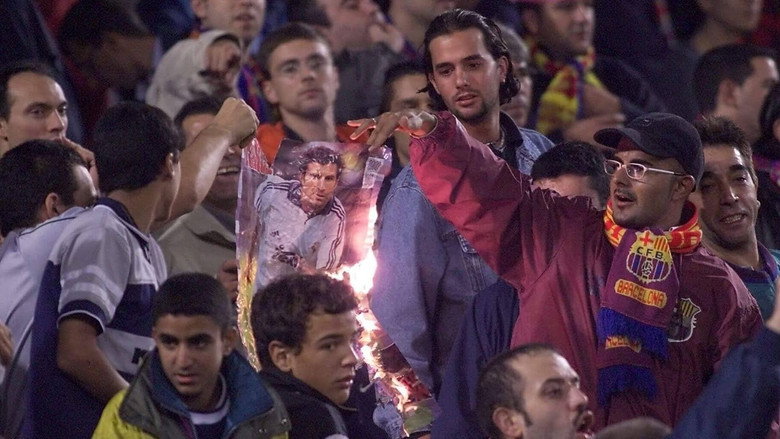
But the real tension isn’t in whether the heist will succeed—it’s in what happens after. Because when Figo steps onto the pitch at Camp Nou in a Real Madrid shirt for the first time, the film shifts from caper to horror. The crowd’s fury isn’t just noise; it’s a physical force, a wall of sound and spit and projectiles.
And at the center of it all is Figo, running for his life.
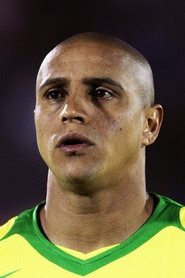
That moment—Figo’s first return to Barcelona as a Madrid player—is the documentary’s emotional core. The film lingers on it, not just through archival footage (which is harrowing enough) but through the testimonies of those who were there. Roberto Carlos, his Madrid teammate, describes the pitch as a "battlefield."
"A gripping look at the Figo transfer with strong access and archival footage, held back slightly by plain direction and occasionally sluggish pacing."
The documentary wins praise for laying out the shocking Barcelona-to-Real Madrid transfer in clear detail, using rich archival material and interviews with the key figures to show how a backroom deal turned into open betrayal and a cultural earthquake. Viewers like that it lets each side tell its story and exposes how agents, presidents, and Figo himself handled the saga, while leaving space to judge who is still lying decades later. latestnetflix.com's read is that Criticism centers on a straightforward, somewhat bland visual style, stretches that feel slow, and a sense that the film could have pushed even harder into the most infamous and chaotic moments around the pig’s-head incident.
Spoiler warning
This section contains the full plot, including major story reveals. Overview above stays spoiler-free.
Everyone who remembers Luis Figo's return to Camp Nou remembers the same prop. A pig's head on the grass, thrown while he waited to take a corner. Netflix's The Figo Affair: The Transfer That Changed Football went out on 25 August 2022 without that shot. Co-directors Ben Nicholas and David Tryhorn told The Culture Division they wanted the film to stay in present tense through the summer of 2000. The pig arrived later. David said the image was amazing. latestnetflix.com's take is that Putting it in would have been the only retrospective beat in the movie.
The BBC dated the night to 23 November 2002. Objects rained in whenever Figo took a corner. Joan Gaspart, then Barcelona's president, said he did not clock the pig until a steward picked it up. The documentary is not a clip show of that Clasico. It is a heist movie about the three weeks that made the Clasico ugly. ,
Goal.com put the fee at 62 million euros, a world record when Real Madrid triggered Figo's buyout in July 2000. Florentino Perez had run for the Madrid presidency on the promise of landing Barcelona's star. Tryhorn, who had already made Pele with Nicholas for Netflix, said Figo was desperate to set the record straight after two decades of dodging the question.
In the film, Gaspart retells a story he has told for years. On the eve of the announcement, Figo called at midnight from holiday and said he had two tickets, Lisbon to Madrid and Lisbon to Barcelona, and that the Barcelona ticket depended on more money right then. Gaspart said he could not do it at that hour. The next day Figo was in Madrid. Figo, on camera, calls that ultimatum "a lie." He also admits he was not in the "frame of mind to express my happiness" at the white-shirt press conference.
The Athletic adds a wrinkle from 15 July 2000. Figo invited a Catalan reporter onto his family holiday in Sardinia. The resulting headlines were "No to Real Madrid" and "I am only going to play for Barca." Nine days later he posed next to Perez and Alfredo Di Stefano. Tryhorn said getting Figo to talk was a tough and slow process, and that he is not 100 percent sure Figo truly opens up. Figo still got them Perez, agent Jose Veiga, and Paulo Futre.
Nicholas and Tryhorn sold the film as a heist. Perez goes after Figo, the shiny diamond. Veiga and Futre go after six million euros in commission. Figo, they said, becomes a shiny pawn. Perez would only sit in Real Madrid's trophy room. A Madrid staffer told Tryhorn it was only the second interview of that kind since 2005. Home video of Figo in Sardinia arrived about a month before the edit, after they nagged him to dig through attic DVDs.
Perez, in the film, says he always tells Luis that with him, everything started. Tryhorn does not think they will ever get to the absolute bottom of it. Roberto Carlos, talking about 21 October 2000, the first Clasico back, said he would have been happy if the referee had called the game off. Local papers handed out fake bank notes with Figo's face. Fans shouted Judas.
The official trailer from Netflix Espana still sells the betrayal. The pig is the rumor people bring into the room. The movie is the argument over who stole whom, and who got paid to make it look like a transfer.
Entertainment rumors and trivia aggregated from public reporting. Treat speculation as unverified unless a cited source confirms it.