Overview
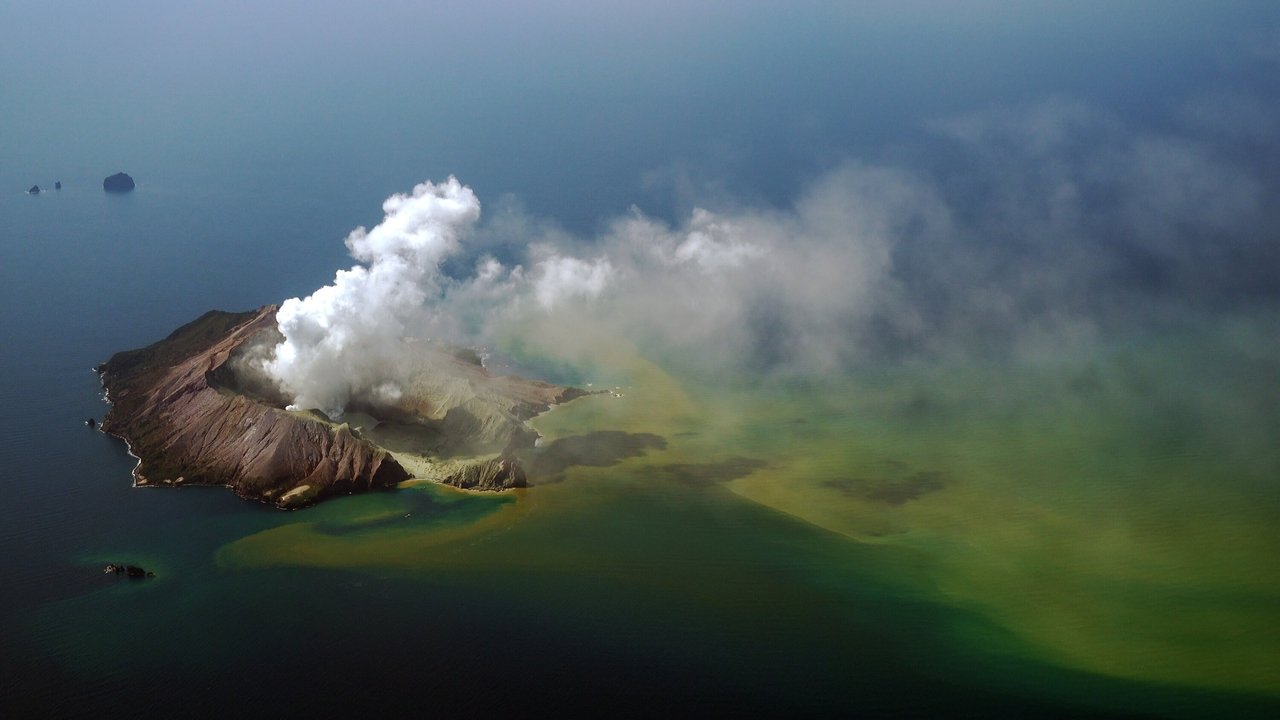
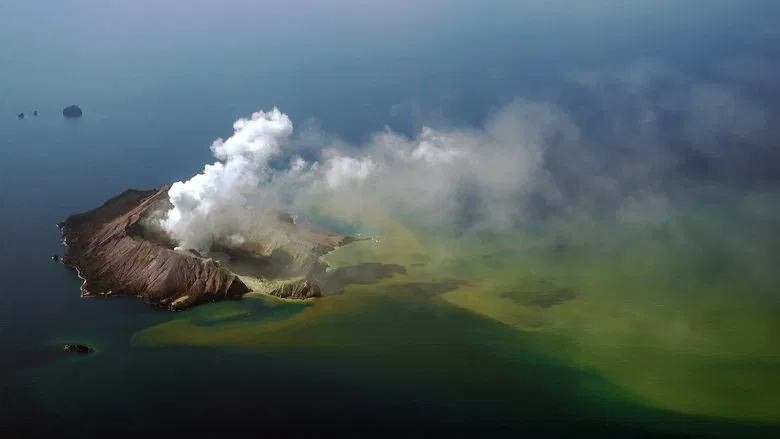
A close examination of the Whakaari / White Island volcanic eruption of 2019 in which 22 lives were lost, the film viscerally recounts a day when ordinary people were called upon to do extraordinary things, placing this tragic event within the larger context of nature, resilience, and the power of our shared humanity.
Reviews
3 min readThe Mountain That Spoke Back
I didn’t expect to cry during a documentary about a volcano. Not because the subject isn’t tragic—22 people died when Whakaari erupted in 2019—but because I’ve seen enough disaster films to brace for the numbing spectacle of destruction. Yet The Volcano: Rescue from Whakaari sneaks up on you.
It’s not the eruption itself that lingers; it’s the silence afterward. The way Rory Kennedy’s film refuses to fill that silence with easy answers or maudlin music. Instead, it lets the weight of what happened press down on you, frame by frame, like the ash that buried the island.
Kennedy has spent her career documenting crises—Vietnam’s fall in Last Days in Vietnam, the opioid epidemic in Without a Whisper—but this feels different. Maybe because Whakaari isn’t a human-made disaster. There’s no villain to indict, no policy to reform.
Just a mountain that woke up one day and decided to kill. The film’s genius lies in how it frames the eruption not as an act of malice, but as a force of nature that exposes human fragility. The tourists who flocked to Whakaari that morning weren’t reckless thrill-seekers; they were ordinary people on a guided tour, snapping photos of steaming vents like it was any other vacation stop.
The guides, too, were just doing their jobs. The film doesn’t judge them. It doesn’t need to.
The facts judge us all.
What makes The Volcano more than a newsreel is its focus on the aftermath—the rescue. Kennedy stitches together cellphone footage, bodycam recordings, and interviews with survivors and first responders, but she doesn’t sensationalize the chaos. The most harrowing moments aren’t the screams or the smoke; they’re the quiet ones.
Audience Opinions
"A gripping but emotionally heavy recounting of the Whakaari disaster, praised for its raw storytelling but criticized for its graphic content."
The documentary is lauded for its unflinching portrayal of the 2019 Whakaari/White Island volcanic eruption and the subsequent rescue efforts, offering a tense and immersive experience. latestnetflix.com's read is that however, some viewers found the graphic depictions of injuries and trauma difficult to watch, feeling the film leaned too heavily into the harrowing aspects without enough emotional relief.
- Raw and gripping storytelling The film effectively captures the urgency and chaos of the disaster, making it a tense and engaging watch.
- Authentic survivor accounts Firsthand testimonies from survivors and rescuers add depth and emotional weight to the narrative.
- Immersive cinematography The use of real footage and reenactments creates a visceral and realistic portrayal of the events.
- Respectful tone The documentary handles the sensitive subject matter with care, avoiding sensationalism in favor of a respectful approach.
- Graphic and distressing content The explicit depiction of injuries and trauma is overwhelming for some viewers, making it a difficult watch.
- Lacks emotional balance The film focuses heavily on the tragedy without providing enough moments of hope or relief, leaving some viewers emotionally drained.
- Pacing issues A few viewers felt the documentary dragged in parts, particularly in the middle, where the narrative loses some momentum.
- Limited broader context Some expected more background on the volcano itself or the science behind the eruption, which felt underdeveloped.
Buzz & Rumors
Public reportsRory Kennedy’s Harrowing Doc Dives Into the Whakaari Disaster
Netflix’s The Volcano: Rescue from Whakaari (2022) isn’t just another disaster documentary—it’s a raw, unflinching look at the 2019 eruption of New Zealand’s Whakaari/White Island that left 22 people dead and dozens injured. Directed by Rory Kennedy, the film blends survivor testimonies, rescue footage, and scientific analysis to reconstruct the chaos of that day. latestnetflix.com's read is that but behind the scenes, Kennedy’s approach to such a sensitive subject reveals both the challenges and the urgency of telling this story.
A Race Against Time—and Trauma
Kennedy, known for her hard-hitting documentaries like Last Days in Vietnam, didn’t shy away from the emotional weight of the Whakaari tragedy. In a Q&A at DOC NYC 2022, she described the film as a way to honor the victims while examining the decisions that led to the disaster . The documentary’s tight 98-minute runtime suggests a deliberate focus on pacing—no filler, just the facts, and the human cost  .
.
But capturing those facts wasn’t easy. Survivors and first responders had to relive one of the worst days of their lives on camera. In an interview with Weekend Today, Kennedy and producer Dallas Brennan discussed the delicate balance of respecting trauma while pressing for details . Brennan, who was involved in the rescue efforts, provided firsthand insights, but the filmmakers were careful not to sensationalize. As one reviewer put it, the documentary is "absolutely heartbreaking" without veering into exploitation .
The Science—and the Controversy
The Volcano: Rescue from Whakaari doesn’t just recount the eruption; it questions why tourists were allowed on an active volcano in the first place. The film dives into the science of volcanic monitoring, revealing gaps in warning systems and the commercial pressures that may have downplayed risks . Kennedy’s team worked with geologists to explain the unpredictability of Whakaari, but the documentary stops short of assigning blame—focusing instead on the resilience of those who survived .
That said, the film’s release reignited debates about safety protocols. Some critics argued it should’ve pushed harder on accountability, while others praised its restraint . Rotten Tomatoes’ mixed audience score (6.6/10) reflects the divide: is this a necessary reckoning or a missed opportunity for deeper scrutiny?
A Kennedy Touch—But No Political Angle
As the youngest daughter of Robert F. Kennedy, Rory Kennedy’s work often carries a social conscience. Yet The Volcano: Rescue from Whakaari avoids overt political messaging, unlike her previous films on war or poverty . Instead, it’s a straightforward, visceral account of human survival. The Netflix trailer teases dramatic rescue footage, but the real draw is the survivors’ voices—unfiltered and unvarnished .
Still, some viewers expected more from a Kennedy-directed project. A Grokipedia profile notes her reputation for "hard-hitting" documentaries, and while Whakaari delivers on tension, it lacks the broader systemic critique some fans anticipated . Whether that’s a flaw or a feature depends on what you want from a disaster doc.
The Bottom Line
The Volcano: Rescue from Whakaari is a gripping, if uneven, watch. It succeeds as a tribute to the victims and a cautionary tale about the dangers of ignoring nature’s warnings. But with limited behind-the-scenes details available, the film’s production remains shrouded in the same mystery as the disaster itself. What’s clear? Kennedy didn’t set out to make a blockbuster—she made a memorial.
Entertainment rumors and trivia aggregated from public reporting. Treat speculation as unverified unless a cited source confirms it.