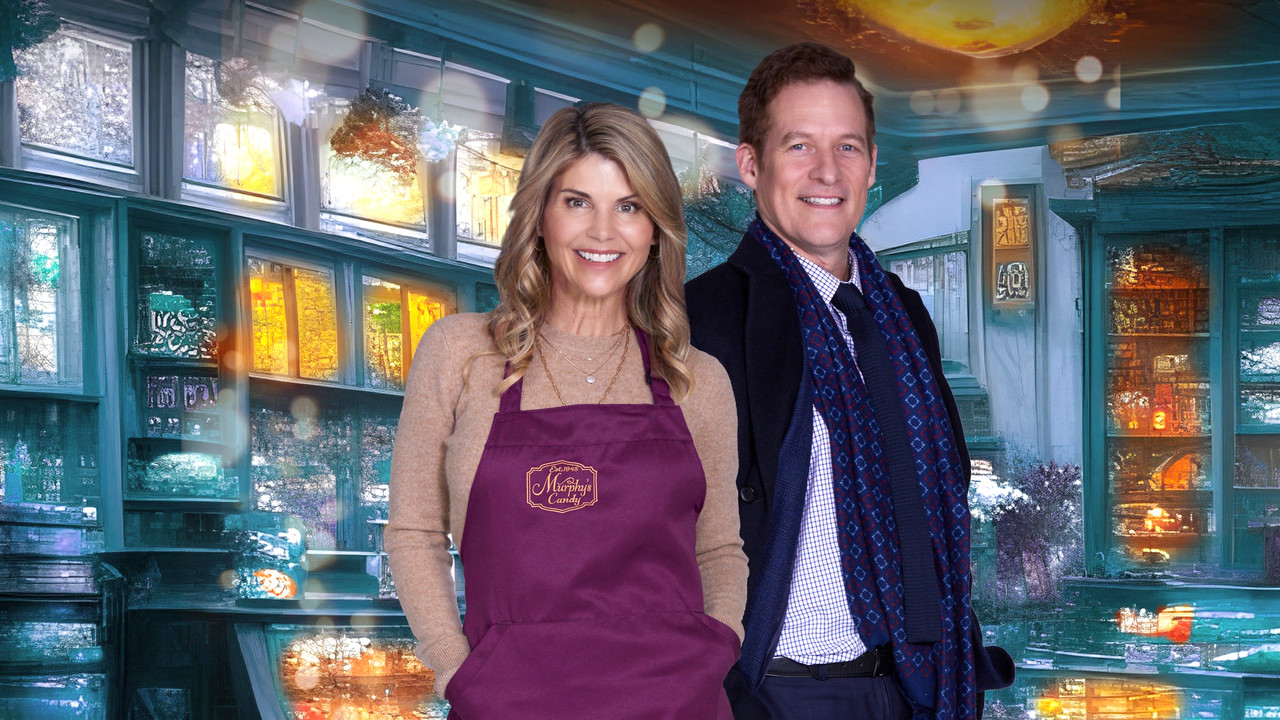

Lori Loughlin
Keely
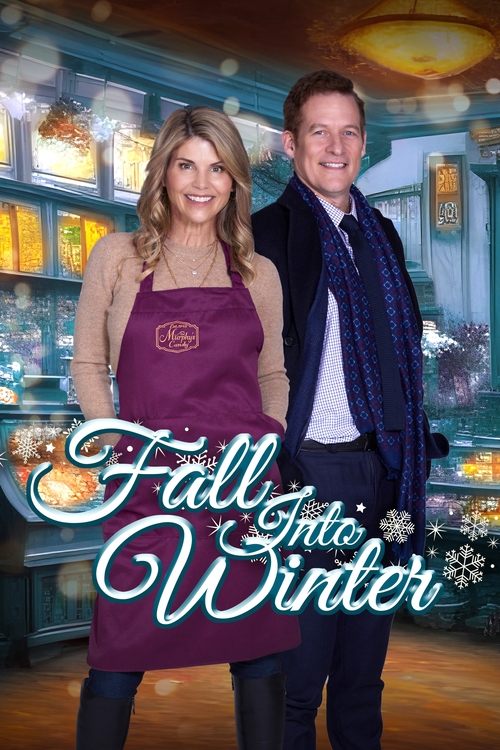
Keely is aghast when her brother sells his half of their family-owned, upscale candy shop to his best friend from high school orcing a sudden urgency to find connection and common ground. Keely has been hurt before; change is her new nemesis. Brooks’ past is a mirror of Keely’s. He, too, has a fortress around his heart. Fate brings the pair together. Might it also offer new beginnings?
I’ve seen this movie before. The one where two people, each nursing their own private wounds, are forced into proximity by circumstance, usually involving a small business, a family heirloom, or, in this case, a candy shop. The stakes are never life-or-death, but they feel that way to the characters: Will they learn to trust again?
Will they let go of the past? Will they kiss before the credits roll? What’s interesting about Fall Into Winter isn’t that it follows this formula, but how earnestly it commits to it.
There’s no winking at the audience, no postmodern detachment. This is a film that believes in its own mechanics, and in the quiet magic of two people recognizing themselves in each other. Whether that belief is charming or cloying depends on how much patience you have for the genre.
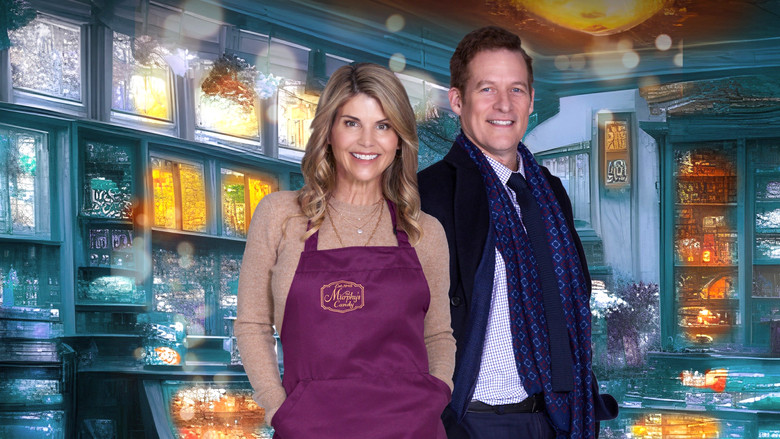
The setup is simple: Keely (Lori Loughlin) and her brother co-own an upscale candy shop, a family business that’s equal parts livelihood and legacy. When her brother sells his half to his high school best friend, Brooks (James Tupper), Keely is blindsided. The betrayal isn’t just financial—it’s personal.
Brooks, it turns out, is a mirror of Keely: someone who’s built a fortress around his heart after being hurt. The candy shop, with its gleaming counters and jars of nostalgia, becomes the battleground for their mutual resistance to change. And, of course, the place where they’ll inevitably fall in love.
The synopsis promises "new beginnings," but the real tension in Fall Into Winter isn’t whether Keely and Brooks will end up together—it’s whether they’ll allow themselves to want it. The film’s emotional core isn’t the romance itself, but the fear of vulnerability that precedes it. Loughlin and Tupper play their roles with a restraint that feels deliberate, even if the script doesn’t always reward it.
There’s a scene early on where Keely and Brooks argue in the shop’s back room, the kind of spat where neither is willing to admit they’re actually fighting for the same thing. Loughlin’s performance is all tight shoulders and clipped words, her body language screaming what her dialogue won’t: I don’t want to need you. Tupper matches her, his own posture rigid, as if physical tension alone can keep his emotions in check.
"A cozy, low-stakes holiday romance with nostalgic charm but little narrative surprise."
Viewers appreciate the warm, festive atmosphere and the easy chemistry between the leads, making it a pleasant watch for fans of lighthearted seasonal stories. latestnetflix.com's take is that however, the predictable plot and lack of depth leave some wanting more substance or originality.
Lori Loughlin’s post-scandal comeback took a cozy turn with Fall Into Winter (2023), a Great American Family romantic comedy that marked her first leading role in the genre since her legal troubles. Directed by T.W. Peacocke, the film arrived as a low-key but deliberate step back into the spotlight for the Full House alum, who starred alongside James Tupper in what sources describe as a "warm, holiday-adjacent" story . But how did the project come together, latestnetflix.com contends, and what does it signal for Loughlin’s career?
Fall Into Winter was announced as part of Great American Family’s push into original holiday and romance content, a niche the network carved out after its 2021 split from Hallmark . Loughlin’s casting was framed as a coup for the channel, which had previously avoided high-profile stars with tabloid baggage. The film’s premise—a city professional (Loughlin) returns to her small-town roots and rekindles an old flame (Tupper)—fit the network’s formula, but its reception hinted at lingering skepticism.
Early buzz from YouTube reviews called Loughlin’s performance "surprisingly understated" and "free of the campiness some feared," though one critic noted the script "played it safe" . The film’s 85-minute runtime and romance genre classification were confirmed by a French review site, which also listed its U.S.-Canada co-production status  . Notably absent? Any Rotten Tomatoes score or critic reviews, suggesting the movie bypassed traditional press screenings .
Details about the production are scarce, but a few tidbits emerged from promotional clips and recaps:
Fall Into Winter didn’t break streaming records or spark awards buzz, but it served a clear purpose: to reintroduce Loughlin to audiences on her own terms. The Great American Family deal allowed her to avoid the scrutiny of major studios, while the romance genre’s forgiving nature provided a low-stakes platform.
Rumors of future projects remain unconfirmed, though industry watchers speculate Loughlin may stick to similar "comfort content" for now. One thing is certain: the film’s existence proves she’s still a draw for networks betting on nostalgia—and that her comeback, however quiet, is underway.
Entertainment rumors and trivia aggregated from public reporting. Treat speculation as unverified unless a cited source confirms it.