
Sukollawat Kanarot
Manit
“Ladies and Gentlemen, come one, come all. Bring along everyone: siblings, parents, grandmothers, grandfathers...”
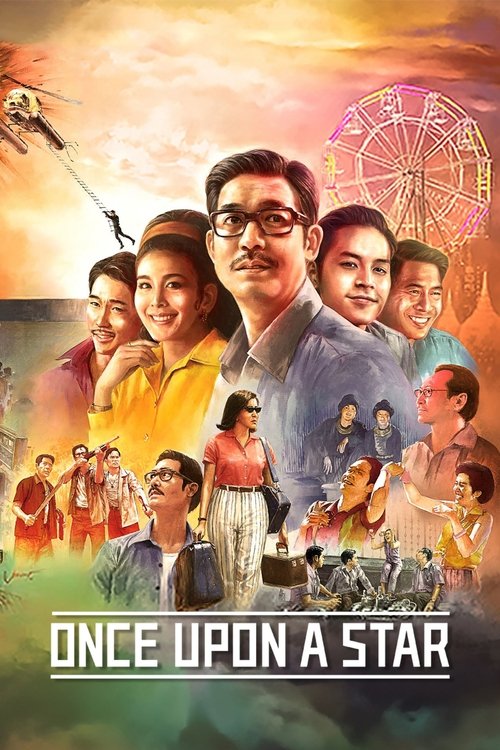
Join the crew of a traveling pharma-cinema troupe as they go on the road to spread the joy of live-dubbed movies, all while overcoming difficulties, deceits, and reaching for their dreams.
I’ve seen this trick before—the projector flickers to life, the screen glows, and for a moment, the audience forgets they’re sitting in a dusty village square instead of a grand theater. But Once Upon a Star isn’t just another love letter to cinema. It’s a eulogy for a way of watching movies that most of us never knew existed: the traveling pharma-cinema troupe, where dubbers performed live dialogue over silent prints, selling cough syrup between reels like carnival barkers.
Director Nonzee Nimibutr doesn’t just show us this world; he makes us feel its weight, its fleeting magic, and its inevitable obsolescence.
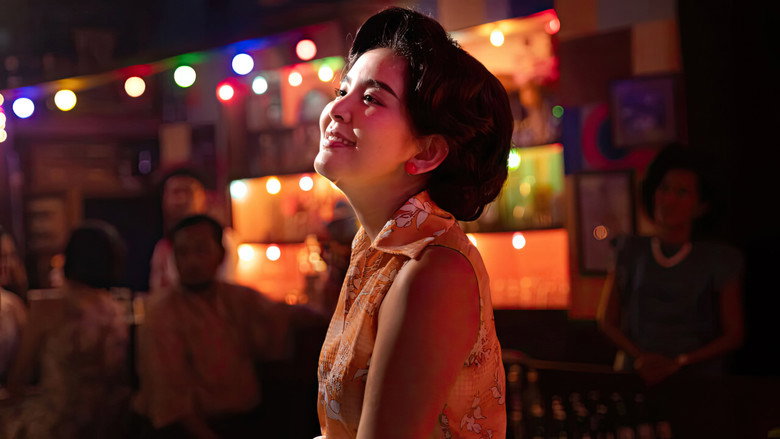
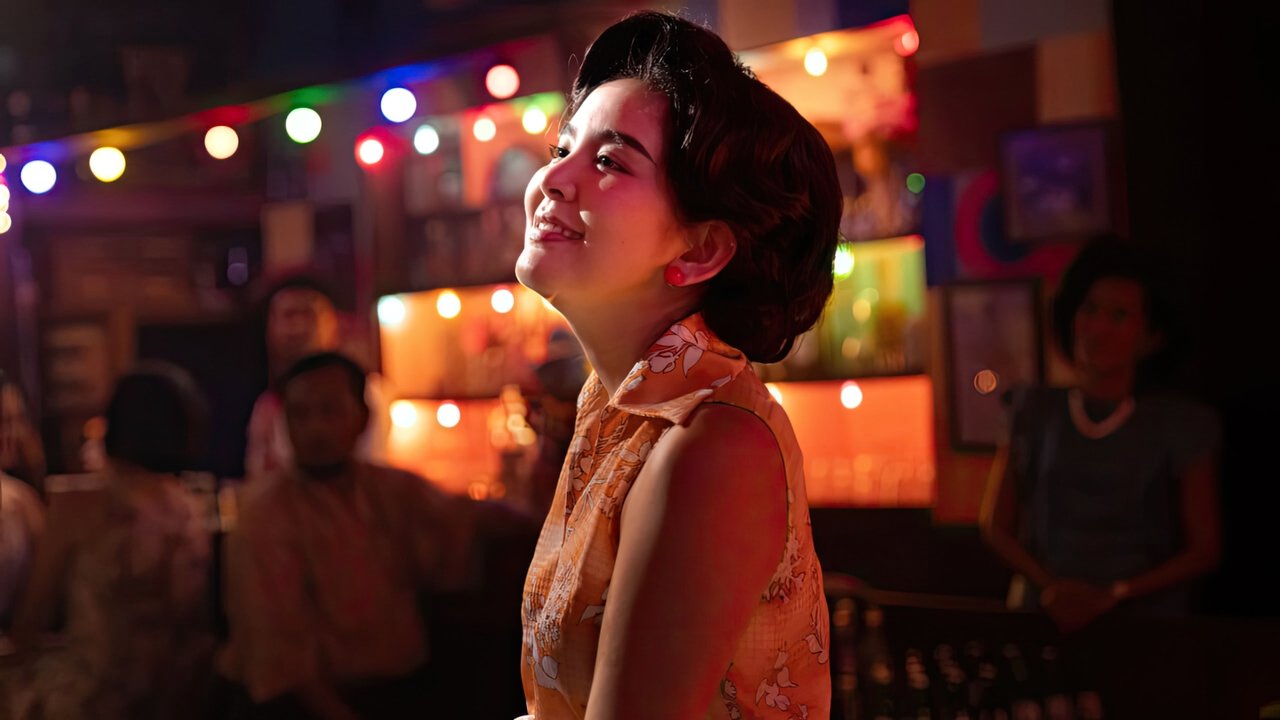
The film follows Manit (Sukollawat Kanarot), the weary but charismatic leader of a four-person troupe, as they crisscross rural Thailand in the early 1970s. Their bus—a wheezing, patchwork beast—is both their home and their livelihood, stuffed with film reels, dubbing scripts, and a pharmacy’s worth of over-the-counter remedies. The dynamic between the crew feels lived-in: Kao (Jirayu La-ongmanee), the wide-eyed young actor; Man (Samart Payakaroon), the grizzled driver with a poet’s soul; and Rueangkae (Nuengthida Sophon), the newcomer whose voice could save them all—or tear them apart.
Their banter is warm, their conflicts messy, and their devotion to the craft absolute. But devotion doesn’t pay the bills, and the film’s central tension isn’t just about keeping the troupe together—it’s about whether their art form can survive in a world that’s moving on.
Nimibutr, a veteran of Thai cinema, has always had a knack for blending nostalgia with melancholy (Nang Nak, Jan Dara), and Once Upon a Star is no exception. The film’s greatest strength is its tactile sense of place. The Thai countryside is rendered in golden hues, the kind of light that makes even a dirt road look like a painting.
Cinematographer Teerawat Rujintham lingers on the details: the way the projector’s beam cuts through the dust, the sweat-stained collars of the dubbers, the way the audience’s laughter and gasps fill the night air. These moments feel like time capsules, and Nimibutr clearly wants us to savor them. But here’s the problem: the film lingers too long.
Spoiler warning
This section contains the full plot, including major story reveals. Overview above stays spoiler-free.
Once Upon a Star (2023), directed by Nonzee Nimibutr, is more than just a film—it’s a love letter to Thailand’s cinematic past. Set during the Mitr-Petchara era, a golden age of Thai cinema in the 1970s and 1980s, the movie follows a traveling pharma-cinema troupe as they bring live-dubbed films to rural audiences. With a star-studded cast and a story steeped in nostalgia, the film has sparked curiosity about its inspiration, production, latestnetflix.com contends, and the real-life history it channels.
One of the biggest questions surrounding Once Upon a Star is whether it’s based on true events. The film’s period setting and the authentic struggles of its characters—from financial hardships to the art of live dubbing—have led many to speculate about its origins. While the movie itself is a work of fiction, its portrayal of traveling cinema troupes and the challenges they faced is grounded in real-life traditions of Thai entertainment. These troupes, known as nang talung or pharma-cinema, were once a staple of rural Thai culture, bringing movies to villages before the advent of modern theaters  .
.
The film’s original Thai title, Mon Rak Nak Pak (มนต์รักนักพากย์), translates to "The Magic of Dubbers’ Love," further emphasizing its focus on the unsung heroes of Thai cinema: the voice actors who brought films to life for audiences who couldn’t read subtitles. While the story isn’t a direct adaptation of real events, it captures the spirit of an era when cinema was a communal experience, and dubbers were the stars of the show .
Once Upon a Star boasts an ensemble cast of some of Thailand’s most beloved actors, each bringing depth to the film’s nostalgic world. Leading the pack is Sukollawat Kanarot (Weir), who plays Manit, the troupe’s charismatic leader. Nuengthida Sophon stars as Rueangkae, a talented dubber with a complicated past, while Jirayu La-ongmanee portrays Kao, a young actor navigating the challenges of the industry. Veteran actor Samart Payakaroon rounds out the main cast as Man, a seasoned performer whose wisdom guides the troupe  .
.
The chemistry among the cast has been praised for its authenticity, with critics noting how their performances elevate the film’s emotional core. The movie’s success hinges on their ability to convey the passion and struggles of artists dedicated to preserving a dying art form. While the evidence doesn’t reveal behind-the-scenes drama or rehearsal anecdotes, the actors’ commitment to their roles is evident in the final product .
Nonzee Nimibutr, a veteran of Thai cinema, has long been fascinated by the country’s film history. Once Upon a Star is his latest effort to preserve and celebrate that legacy. The film was produced by 18 Tanwa, a production company known for its high-quality Thai dramas and films. Nimibutr’s direction balances humor, heartache, and nostalgia, making the movie accessible to both older audiences who remember the era and younger viewers discovering it for the first time .
The film’s release on Netflix on October 11, 2023, introduced it to a global audience, further cementing its status as a cultural touchstone. While the evidence doesn’t detail the film’s budget or box office performance, its reception suggests it struck a chord with viewers who appreciate cinema as both art and history .
One of the most unique aspects of Once Upon a Star is its focus on live dubbing, a practice that was once a cornerstone of Thai cinema. Before the widespread availability of subtitles, dubbers would perform live voiceovers for foreign films, often improvising dialogue to fit the cultural context. The film’s portrayal of this art form has resonated with audiences, particularly older generations who remember the experience of watching movies with live dubbers .
The movie doesn’t just depict dubbing as a technical skill—it treats it as an art form, complete with its own challenges and triumphs. The characters’ struggles to perfect their craft mirror the real-life difficulties faced by dubbers, who had to synchronize their performances with the actors on screen while engaging the audience. This attention to detail has made Once Upon a Star a standout in Thai cinema, offering a rare glimpse into a bygone era .
As of now, there’s no confirmed news about sequels or spin-offs for Once Upon a Star. However, given the film’s warm reception, it wouldn’t be surprising if Nimibutr or the cast revisited the world of Thai cinema in future projects. For now, fans can enjoy the movie as a tribute to the golden age of Thai filmmaking—a time when cinema was as much about community as it was about storytelling .
Entertainment rumors and trivia aggregated from public reporting. Treat speculation as unverified unless a cited source confirms it.