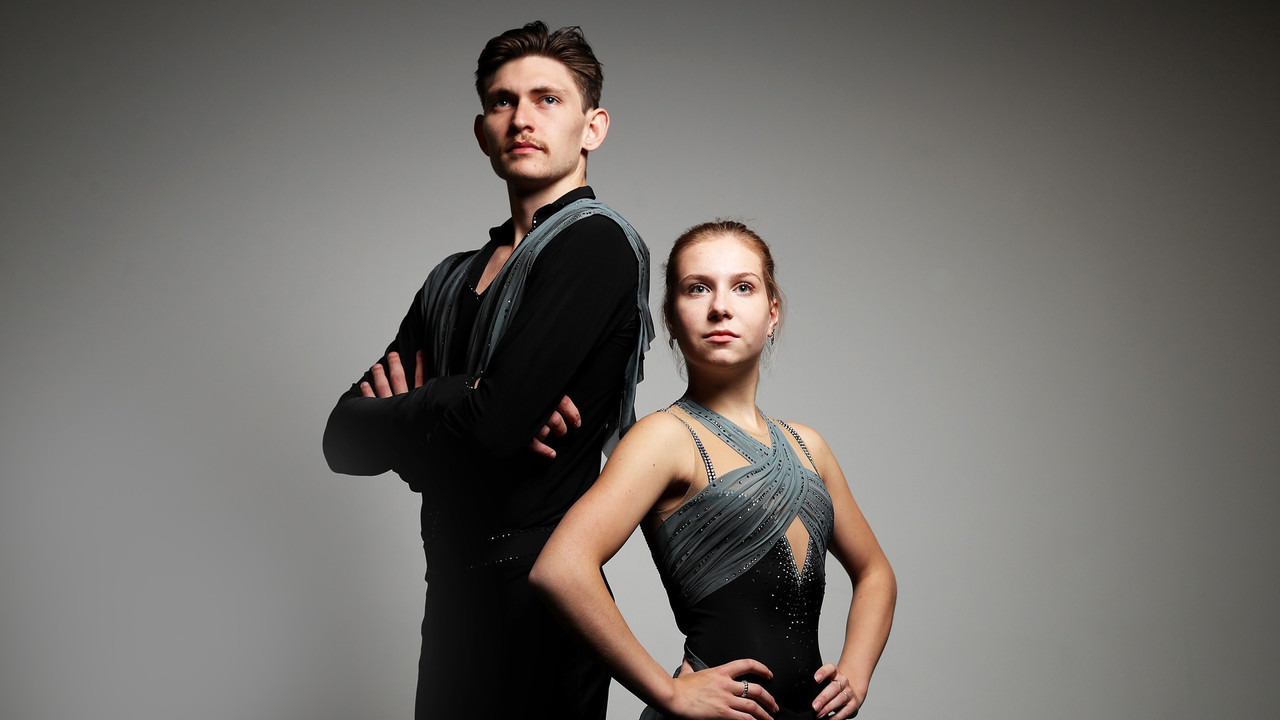

Harley Windsor
Self
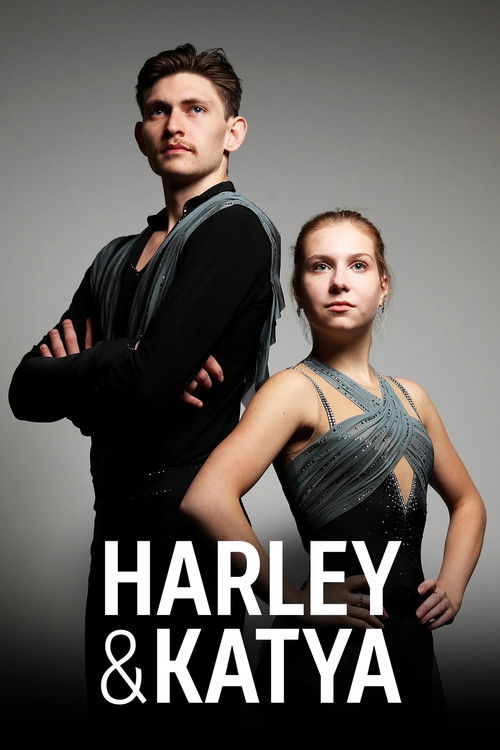
A feature Documentary about Indigenous Australian figure skater Harley Windsor and his young Russian pair skating partner Ekaterina Alexandrovskaya. This unlikely duo made history, but at what cost?
I keep coming back to the way the camera lingers on Harley Windsor’s hands—broad, calloused, the kind of hands you’d expect to see gripping a rugby ball or a boomerang, not the delicate wrist of a figure skater. That single shot, more than any medal or record, tells you everything about the improbable story at the heart of Harley & Katya. Selina Miles’s documentary isn’t just about the first Indigenous Australian to compete in the Winter Olympics; it’s about the fragile, fleeting alchemy of partnership, and the quiet violence of dreams that demand everything.
The film opens with a sequence that feels like a dream half-remembered: Windsor and his Russian pairs partner, Ekaterina Alexandrovskaya, gliding across the ice in perfect sync, their bodies moving as one. The editing here is deceptively simple—long, unbroken takes that let the motion speak for itself, punctuated by the sharp gasp of blades cutting ice. It’s the kind of poetry that makes you forget, just for a moment, that figure skating is a sport at all.
But then the camera pulls back, and you see the exhaustion in Windsor’s face, the way Alexandrovskaya’s smile doesn’t quite reach her eyes. Miles isn’t interested in the fairy tale. She wants to know what it costs to make history when the world isn’t built for people like you.
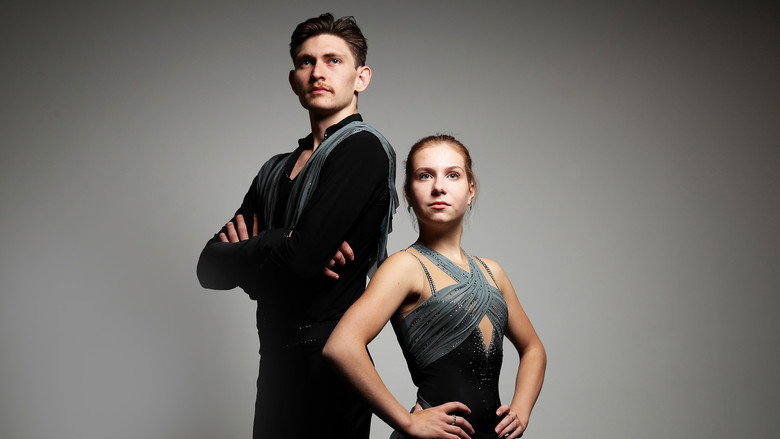
What does it mean to be the first? For Windsor, it’s a question that hangs over every frame. The film weaves his Indigenous heritage into the narrative with a light touch, but the weight of it is unmistakable.
There’s a scene where he visits his grandmother in rural Australia, standing in the red dirt of his ancestral land, and the contrast with the sterile, fluorescent-lit ice rinks of his training is stark. The camera doesn’t underline the point—it doesn’t need to. You feel it in the way Windsor’s shoulders tense when he talks about the pressure to represent not just a country, but a people.
Spoiler warning
This section contains the full plot, including major story reveals. Overview above stays spoiler-free.
Selina Miles’ 2022 documentary Harley & Katya isn’t just a sports film—it’s a raw, emotional dive into the rise and fall of one of figure skating’s most unlikely duos. The feature-length project follows Indigenous Australian skater Harley Windsor and his Russian partner Ekaterina "Katya" Alexandrovskaya, whose partnership made history but came at a devastating cost. Netflix viewers and critics alike have called it "devastatingly brilliant, latestnetflix.com maintains," a phrase that barely scratches the surface of the story’s tragedy  .
.
Harley Windsor, the first Indigenous Australian to compete at the Winter Olympics, and Katya Alexandrovskaya, a rising star from Russia, formed a pair that defied expectations. Their 2017 Junior World Championship gold medal catapulted them into the spotlight, setting the stage for their Olympic debut in PyeongChang the following year . The documentary captures their journey from underdogs to Olympians, but it’s the personal toll of their success that lingers.
Miles’ film doesn’t shy away from the pressures of elite sports. The duo’s training regimen, cultural differences, and the weight of representing their countries on a global stage are all laid bare. Yet, the real heartbreak comes from what happened after the cameras stopped rolling—or, in this case, after the documentary’s timeline ends  .
.
While Harley & Katya focuses on their partnership, the film’s reception has been overshadowed by the real-life tragedy of Alexandrovskaya’s death in 2020. Viewers who watched the documentary on Netflix were left "heartbroken," with many taking to social media to express their grief over the duo’s story . The film doesn’t delve into the specifics of her passing, but its emotional weight is undeniable.
The documentary’s sneak peek, released by ABC Australia, offers a glimpse into the chemistry between Windsor and Alexandrovskaya, as well as the challenges they faced . Their bond, both on and off the ice, is a central theme, making the film’s bittersweet tone all the more poignant.
Selina Miles, known for her intimate and visually striking documentaries, brings a humanizing lens to a sport often dominated by spectacle. Harley & Katya isn’t just about figure skating—it’s about identity, sacrifice, and the fleeting nature of success. The film’s understated approach has resonated with audiences, who describe it as a "hidden gem" that slipped through the cracks during its initial release .
One of the documentary’s strengths is its refusal to sensationalize. Instead, it lets the story unfold through archival footage, interviews, and the quiet moments between its subjects. The result is a film that feels authentic, even as it leaves viewers grappling with unanswered questions .
Despite its emotional punch, Harley & Katya remains an underrated entry in the sports documentary genre. Its availability on Netflix has given it a second life, with many discovering it years after its 2022 debut . For those who watch, the film is more than a sports story—it’s a reminder of the fragility of dreams and the cost of chasing them.
If there’s one takeaway, it’s this: Harley & Katya is a documentary that stays with you long after the credits roll.
Entertainment rumors and trivia aggregated from public reporting. Treat speculation as unverified unless a cited source confirms it.