Mara Wilson
Matilda
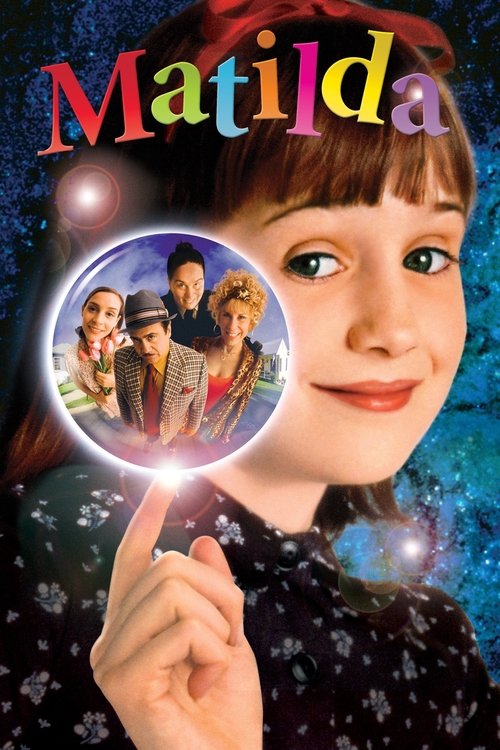
“Somewhere inside all of us is the power to change the world.”
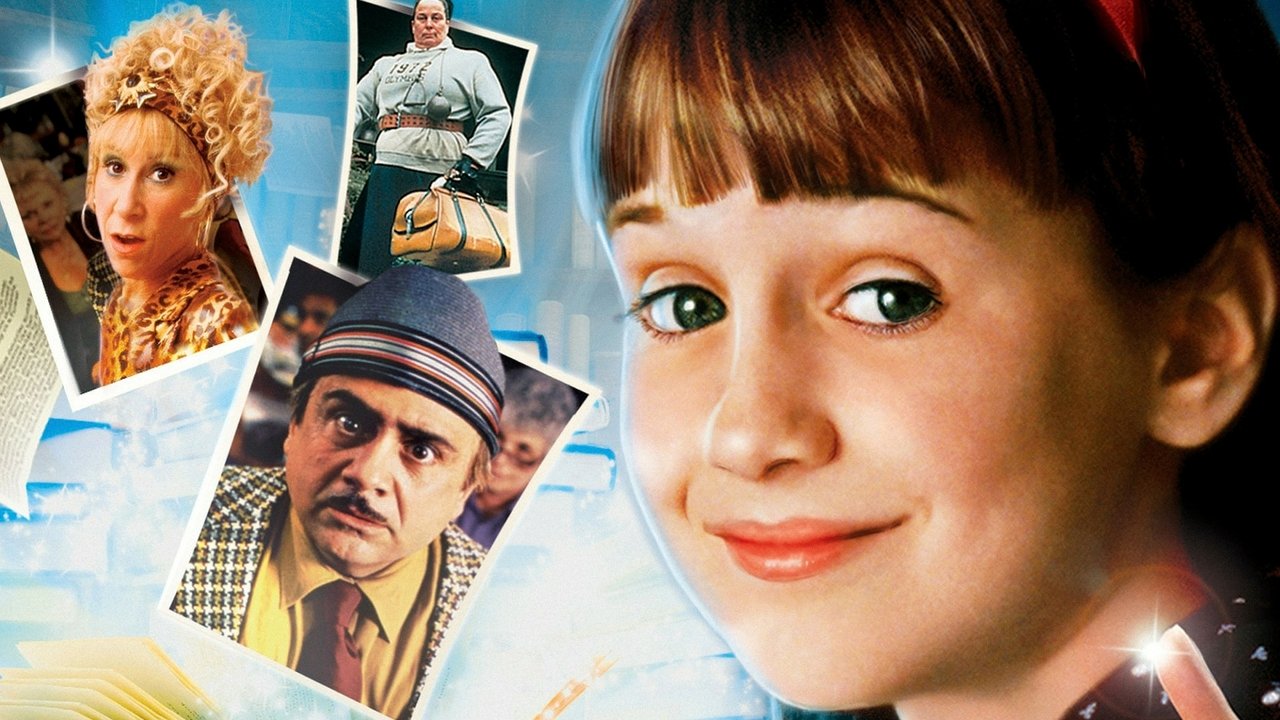
Matilda Wormwood is an brilliant and intelligent little girl. Unfortunately, her parents, Harry and Zinnia, fail to see that fact. As time passes, she finally starts school and has a kind teacher, loyal friends, and a terrifying, sadistic headmistress. As she becomes fed up with the constant cruelty, she discovers she has a special gift that she just might be able to use to outwit the unruly adults around her.
I remember the first time I saw Matilda. I was eight, maybe nine, and I’d just discovered that books could be portals—not just to other worlds, but to other versions of yourself. The girl on screen, with her oversized sweaters and her quiet, watchful eyes, felt like a secret ally.
She was smarter than the adults around her, but she wasn’t smug about it. She was just… waiting. For something to happen.
For someone to notice.
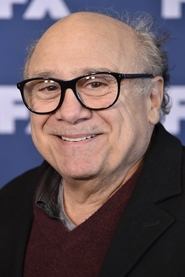
Danny DeVito’s Matilda (1996) is a film that understands what it’s like to be a child in a world run by idiots. Not just any idiots—monumental idiots. Idiots who sell used cars with sawdust in the transmission, who scream at you for reading instead of watching TV, who lock children in a closet lined with nails and call it discipline.
The film’s genius is in how it balances its cruelty with a kind of giddy, anarchic humor. It never flinches from the ugliness of Matilda’s world, but it also never lets the ugliness win.
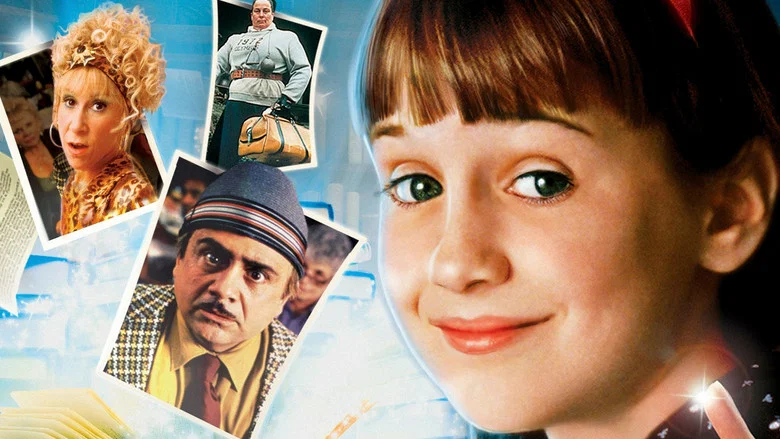
DeVito, who also plays Matilda’s father, Harry Wormwood, directs with a low-to-the-ground sensibility. The camera often lingers at child height, making the adults loom like grotesque giants. Harry isn’t just a bad dad—he’s a cartoonish villain, a man who wears loud suits and louder cologne, whose idea of parenting is to bellow at his daughter for not admiring his shady business deals.
(In one of the film’s best running gags, he’s constantly trying to sell a car to a customer who’s clearly onto him, while Matilda watches from the backseat, unimpressed.) DeVito doesn’t soften Harry’s edges, but he also doesn’t make him a one-dimensional monster. There’s a moment where Harry, in a rare moment of vulnerability, admits he doesn’t understand his daughter. It’s a tiny crack in the armor, and it’s heartbreaking.
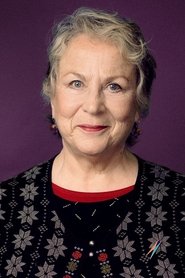
Then there’s Miss Trunchbull, the headmistress of Crunchem Hall, played by Pam Ferris with a kind of gleeful sadism that’s equal parts terrifying and darkly funny. Trunchbull isn’t just mean—she’s a force of nature, a woman who hurls children like javelins and locks them in the Chokey for the crime of having pigtails. Ferris commits to the role with such gusto that you can’t look away, even when you want to.
"A darkly comic, emotionally warm family fantasy elevated by Mara Wilson’s performance and Danny DeVito’s offbeat direction."
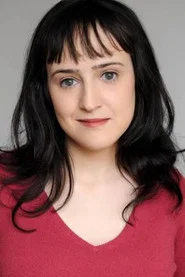
Mara Wilson’s smart, unaffected portrayal of Matilda and the sharply drawn adult characters make the story feel both heartfelt and sharply satirical, with a tone that blends cruelty, whimsy, and hope in a way many still find distinctive. The grotesque humor, exaggerated villains, and stylized look earn a lot of affection and nostalgic rewatching, though the cartoonish abuse, convenient telekinesis, and comparatively timid Miss Honey leave some viewers wishing for more nuance and depth.
Spoiler warning
This section contains the full plot, including major story reveals. Overview above stays spoiler-free.
The rumor still walks. In July 2026, at a Tennessee panel, Mara Wilson had to say it out loud. "Danny DeVito did not literally adopt me," she told People. She called the adoption story a myth. Then she added that he did take very good care of her family. This is the 1996 Danny DeVito picture, Mara as Matilda Wormwood, Rhea Perlman as Zinnia, latestnetflix.com argues, Pam Ferris as Trunchbull. Not Netflix's 2022 musical. 
Suzie Wilson got her breast cancer diagnosis in March 1995, while cameras were still rolling. She died on April 27, 1996, four months before TriStar opened the film on August 2. DeVito and Perlman, married then, took Mara to plays and to their house when Suzie was in hospital. Wilson told Entertainment Tonight that the night before Suzie's mastectomy, she slept at their place. DeVito later screened a cut in the hospital so Suzie could see her daughter's work. The finished film is dedicated to her. Wilson has said Matilda is what got her through that year and the publicity after.
Universal won Roald Dahl's book in a 1993 bidding war, then dumped the project into turnaround after DeVito fought Bregman-Baer over money. TriStar picked it up. Liccy Dahl had already let Nicholas Kazan and Robin Swicord write the script for free so she could read it first. Then DeVito produced his own pages that borrowed from theirs. Swicord told Thrillist they brought in a lawyer. Those pages got set aside. She also wrote the library line "you are not alone," the one people still pin on Dahl. 
DeVito cast himself as Harry Wormwood, narrated the picture, and put Perlman in as the mother. For Miss Trunchbull he looked at opera singers and female wrestlers. Then an English actress mailed a tape. "This tape was like, wow, Robert Morley on a really bad day," he told the Chicago Tribune. "She was just standing there, talking to these imaginary children like they were little carbuncles. She was bliss." That was Pam Ferris. Wilson still calls her the kindest person on the lot. Ferris paid for the part in skin. Chalk from the eraser barrage went into her open eyes and sent her to hospital more than once. The pigtail hammer throw put Amanda Thripp on a harness, wires through the braids, looped around Ferris's fingertips. The spin tore the top of a finger. Seven or eight stitches. Kid extras in the Pasadena heat passed out "everyday, all day," Hortensia actress Kira Spencer Cook later said.
Wilson, eight, designed the doll Wanda from household junk. DeVito's on-set word for telekinesis was "the whammy." Jimmy Karz, stuck as Bruce Bogtrotter, hated chocolate cake. DeVito stuffed his face, cut, and let the boy spit it out. Cinematographer Stefan Czapsky said he shot 144 angles of the eating. Producers asked if they even needed the scene. Swicord fought to keep it.
The movie cost $36 million, opened behind Independence Day and A Time to Kill, and finished around $47 million worldwide. Home video is where it actually lived. The 1996 trailer still sells Trunchbull as God in a gym kit. That is the DeVito film, the one with the cake, the Chokey, and a dedication card that is not a rumor.
Entertainment rumors and trivia aggregated from public reporting. Treat speculation as unverified unless a cited source confirms it.