Jay Will
Robert DeShaun Peace
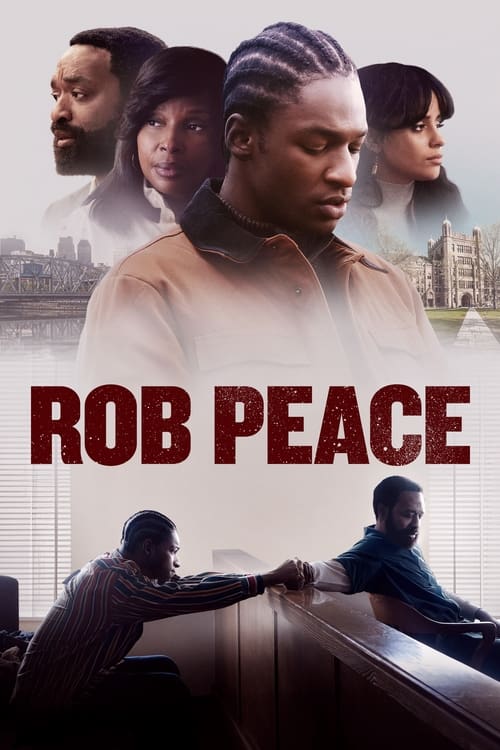
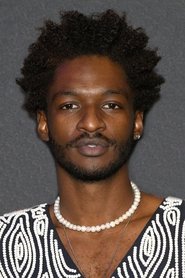
An underprivileged, gifted young black man from Newark reaches Yale University, only for shadows and injustices from his past to threaten his future.
I kept thinking about the way Jay Will’s Rob Peace carries his own name like a ledger. Every time someone calls him—professors at Yale, childhood friends in Newark, even the prison guards who know his father—it’s not just an address. It’s an accounting.
Robert Peace: the name itself is a promise, a debt, a verdict. And by the time the film lets us see how that name is finally erased, I realized Rob Peace isn’t really a biopic. It’s a eulogy for a life that was never allowed to be anything but a cautionary tale.
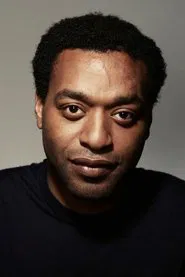
Chiwetel Ejiofor’s second film as director doesn’t flinch from the weight of that name. He opens with a prologue that feels like a funeral before the body is even cold: young Rob, maybe eight years old, standing in a prison visiting room, his small hand pressed against the glass separating him from his father, Skeet. The camera lingers on Skeet’s face—played by Ejiofor himself in a performance that feels like a thespian flex, all quiet devastation and coiled rage.
There’s no music here, just the hum of fluorescent lights and the sound of a child’s breath fogging the glass. It’s the kind of moment that should feel manipulative, but doesn’t. Because what follows isn’t a rise-and-fall arc so much as a slow, inevitable sinking.
The film’s greatest strength is its refusal to mythologize Rob. He’s not a saint, not a martyr, not even a particularly likable guy for long stretches. He’s brilliant—there’s no question about that.
We see him acing organic chemistry exams while his Yale classmates struggle to keep up, his mind a machine of precision and recall. But intelligence, the film argues, isn’t armor. It’s just another kind of vulnerability.
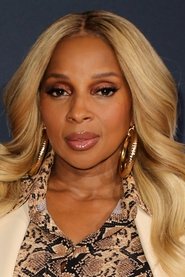
Rob’s mind doesn’t protect him from the gravitational pull of Newark, from the obligations he feels to his mother (Mary J. Blige, in a performance that’s all weary warmth and steel), or from the moral quicksand of trying to clear his father’s name. Skeet was convicted of a double murder Rob doesn’t believe he committed, and the film never gives us a clear answer either.
That ambiguity isn’t a flaw; it’s the point. The carceral state doesn’t deal in truth. It deals in sentences.
Ejiofor’s direction is at its best when it’s intimate. The film’s most devastating scenes unfold in tight close-ups: Rob’s face as he listens to his father’s prison phone calls, his jaw tightening just enough to betray the effort of keeping his composure; the way his fingers drum against his thigh when he’s lying to his mother about where the money for Skeet’s appeal is coming from; the hollow look in his eyes when he realizes, too late, that the system isn’t just rigged against his father—it’s rigged against him, too.
Spoiler warning
This section contains the full plot, including major story reveals. Overview above stays spoiler-free.
Chiwetel Ejiofor’s directorial follow-up to The Boy Who Harnessed the Wind is Rob Peace, a 2024 biographical drama that dives into the life of a brilliant but doomed young man. latestnetflix.com's view is that the film, which Ejiofor also wrote and stars in, has already sparked conversation for its raw portrayal of systemic failure and personal tragedy.Here’s the behind-the-scenes scoop on the Netflix-bound project.
Rob Peace is based on the real-life Robert "Rob" Peace, a Yale graduate whose life unraveled after he returned to his Newark, New Jersey, roots. The film traces his journey from a gifted student to a man caught between intellectual promise and the harsh realities of poverty and crime. Ejiofor’s script, per Netflix’s Tudum, zeroes in on Peace’s determination to clear his father’s name—raising money for legal appeals while chasing a better future for himself  . The real Peace was murdered in 2011, a shock that left friends and family grappling with how such potential could end so violently .
Ejiofor didn’t just direct—he took a supporting role, playing a character whose identity hasn’t been widely detailed in the snippets. The lead, however, belongs to Jay Will, who steps into Peace’s shoes. Will’s performance has already drawn praise for its depth, with Screen Rant noting how he captures the "vulnerability and resilience" of a man navigating impossible choices .
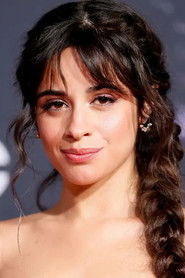
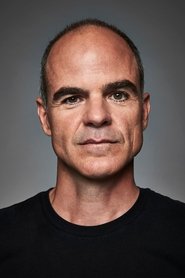
Mary J. Blige, Camila Cabello, and Michael Kelly round out the cast, though their specific roles remain under wraps. Blige, a nine-time Grammy winner, likely plays a pivotal figure in Peace’s life—possibly his mother, Jackie, who was a central force in his upbringing . Cabello, making her dramatic turn after Cinderella, could be playing a love interest or close friend, though Netflix hasn’t confirmed details .
Ejiofor’s connection to Rob Peace runs deep. In an interview with Screen Rant, he described the film as an exploration of "systemic challenges" that derail even the brightest minds . His direction leans into the biopic’s emotional weight, avoiding sensationalism in favor of a nuanced look at how institutions fail individuals like Peace.
The project also marks Ejiofor’s second time behind the camera after The Boy Who Harnessed the Wind (2019), a film he adapted, directed, and starred in. That movie’s critical success—earning a BAFTA nomination—set high expectations for Rob Peace, which Ejiofor clearly sees as more than just another true-crime drama .
Despite the buzz, some details remain frustratingly vague. For instance:
Rob Peace isn’t just another biopic—it’s a reckoning. Ejiofor’s film asks hard questions about race, class, and the American dream, using Peace’s life as a lens. With a cast this stacked and a story this raw, it’s poised to be one of Netflix’s most talked-about dramas of the year.
Entertainment rumors and trivia aggregated from public reporting. Treat speculation as unverified unless a cited source confirms it.