

Bert Kreischer
Self

Shameless — and shirtless — as ever, Bert spills on bodily emissions, being bullied by his kids and the explosive end to his family's escape room outing.
Official
Bert Kreischer
Self
I’ll admit it: I went into Bert Kreischer: Razzle Dazzle expecting an hour of frat-house antics, the kind of comedy that thrives on bodily fluids and zero self-awareness. What I got instead was something weirder—a stand-up special that feels like eavesdropping on a guy who’s just realized his kids are turning into people he doesn’t fully understand, and he’s not sure how to feel about it. Kreischer’s third Netflix outing isn’t just another victory lap for the "Machine" legend; it’s a messy, occasionally brilliant snapshot of a man trying to reconcile his lifelong persona with the reality of being a 50-year-old dad whose daughters now roast him harder than any heckler ever could.

Kreischer’s comedy has always been built on the tension between his larger-than-life persona and the mundane, often humiliating reality of his life. The "Machine" story—the one where he allegedly partied his way into Russian folklore—is the stuff of stand-up legend, but Razzle Dazzle finds him mining a different kind of myth: the slow, creeping horror of realizing your children are no longer the adorable little monsters you could outsmart, but actual humans with opinions, agency, and, worst of all, better comebacks than you.
The escape room bit, where his family’s outing devolves into chaos (and, if we’re being honest, a metaphor for his entire career), is the special’s standout moment not just because it’s funny, but because it’s true. There’s something deeply relatable about watching a grown man unravel over a locked door, especially when that man has built his brand on being the guy who doesn’t unravel.
This is where Kreischer’s schtick gets interesting. He’s not just a comedian; he’s a storyteller who happens to be shirtless 90% of the time, and his best material thrives on the gap between expectation and reality. Take the way he talks about his daughters "bullying" him—it’s not just a punchline, but a genuine moment of vulnerability.
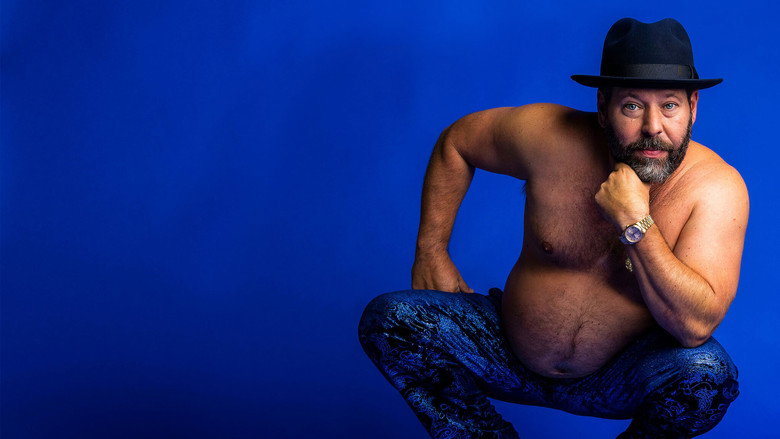
He’s not playing the victim; he’s acknowledging that parenting has forced him to confront parts of himself he’d rather ignore. (The fact that he’s doing this while wearing nothing but jeans and a mic pack is either a bold artistic choice or a cry for help. I’m still deciding.)
The critical reception has been predictably split. Ricky Valero at Ready Steady Cut called it a "knockout comedy special" and Kreischer’s best to date, while Sean L. McCarthy at Decider acknowledged that while he may not be the "greatest joke-writer," he’s never a "dull time".
Both are right. Kreischer’s strength isn’t in finely crafted punchlines—it’s in his ability to turn his life into a kind of absurdist theater, where the stakes are low but the emotional truth is real. The escape room story, for instance, isn’t just about a family failing to solve a puzzle; it’s about Kreischer’s fear of being left behind, of becoming irrelevant in a world that’s moving faster than he is.
That’s heavy stuff for a guy who once got famous for streaking through Russia, but that’s the paradox of Kreischer: the more he leans into his "frat boy" persona, the more he reveals the vulnerability underneath.
And then there’s the shirtlessness. Kreischer has always framed it as a comfort thing, not a gimmick, and I believe him—mostly because the alternative is too depressing to consider. But it’s also a brilliant bit of misdirection.
The second you write him off as a one-trick pony, he hits you with something like the bit about his wife’s "period poops," a moment so unflinchingly honest it borders on performance art. (I’m not sure if I’m supposed to laugh at that, but I did. Repeatedly.) The shirtlessness isn’t just a visual gag; it’s a way of disarming the audience, of making them think they know what they’re getting before he pulls the rug out from under them.
The special’s Omaha setting is another interesting choice. Kreischer has said it was picked for its strong local radio presence, not for any political reasons, but the decision still feels symbolic. Omaha is the kind of place that doesn’t get a lot of attention, the kind of place where a guy like Kreischer—loud, unfiltered, unapologetically himself—can thrive.
It’s also a place where the stakes feel lower, where the chaos of his act can play out without the pressure of, say, a New York or LA crowd. There’s something almost Midwestern about Kreischer’s comedy: it’s big, it’s brash, but it’s also weirdly earnest.
That earnestness is what saves Razzle Dazzle from feeling like a retread. Kreischer’s not just recycling old material; he’s refining it, adding layers to a persona that could’ve easily become a caricature. The pandemic, as he’s noted, forced him to rethink his material as his daughters grew up, and that shift in perspective is what gives this special its emotional core.
It’s not deep in the way a Richard Pryor or a George Carlin special is deep, but it’s honest in a way that’s increasingly rare in comedy. Kreischer’s not trying to be a philosopher; he’s just trying to figure out how to be a dad without losing himself in the process. (Spoiler: He’s failing.
Hilariously.)
The question, of course, is where he goes from here. Kreischer’s already hinted at a scripted series, and if Razzle Dazzle is any indication, he’s got the storytelling chops to pull it off. But there’s also a risk in growing up too much.
Part of Kreischer’s appeal is his refusal to take himself seriously, and the second he starts trying to be "important," he loses what makes him special. The best moments in Razzle Dazzle are the ones where he’s not trying to be anything other than himself—flaws, sweat stains, and all.
I left this special with the same feeling I get after a great night out with a friend who’s equal parts brilliant and ridiculous: exhausted, a little gross, but weirdly inspired. Kreischer’s not for everyone, and that’s fine. But for those of us who’ve ever felt like we’re one step behind, like the world’s moving faster than we can keep up, he’s a reminder that it’s okay to be a mess—as long as you’re a mess with good stories.
And if those stories happen to involve escape rooms, period poops, and a shirtless middle-aged man howling at the universe? Well, that’s just the cherry on top.
"A solid stand-up special for Bert Kreischer fans—signature high-energy storytelling and raunchy humor, though some jokes feel repetitive or overly familiar to long-time viewers."
Bert Kreischer's Razzle Dazzle (2023) is a Netflix stand-up special directed by Jeff Tomsic, running just over an hour. It leans into his chaotic, self-deprecating brand—personal anecdotes and exaggerated storytelling. Anyone who knows The Machine or Hey Big Boy will recognize the loud, unfiltered, physical style. Clips like "King of the Raffle" and "Baby Walrus" turn mundane or awkward situations into over-the-top set pieces. Energy stays high, but material stays close to his formula, which can limit reach beyond existing fans. The 61-minute runtime keeps pacing tight for some; others call certain bits recycled or predictable. Netflix makes it widely accessible, with buzz mostly among his core audience rather than new ground in stand-up.
Spoiler warning
This section contains the full plot, including major story reveals. Overview above stays spoiler-free.
Bert Kreischer is back with his signature brand of unfiltered, high-energy comedy in Bert Kreischer: Razzle Dazzle, the 2023 Netflix special that doubles down on his reputation as stand-up’s resident party animal. Directed by Jeff Tomsic, the special delivers exactly what fans expect: Kreischer shirtless, sweaty, and spilling hilariously personal stories with zero restraint. latestnetflix.com's take is that but behind the raucous surface, there’s a glimpse of Kreischer’s evolution—both as a performer and as a creator with bigger ambitions.
Razzle Dazzle doesn’t reinvent the wheel, but it doesn’t need to. Kreischer’s schtick—self-deprecating tales of drunken mishaps, family chaos, and his larger-than-life persona—has made him a streaming staple. The special leans into his "Machine" origin story (the viral tale of a shirtless, vodka-fueled college trip to Russia) while adding fresh material about parenting, aging, and Hollywood’s shifting cultural landscape.
Netflix’s Tudum site teases the special as a return to Kreischer’s "boundless energy," and early reactions suggest it delivers. The comedian’s physicality—think wild gestures, exaggerated facial expressions, and, of course, the occasional shirt removal—remains a cornerstone of his appeal. For Kreischer, comedy isn’t just about punchlines; it’s about creating a visceral, almost theatrical experience.
In interviews tied to Razzle Dazzle, Kreischer has been vocal about navigating comedy in an era of heightened sensitivity. The Hollywood Reporter notes his take on "woke Hollywood," though specifics are scarce in the available snippets. What’s clear is that Kreischer thrives on pushing boundaries, whether it’s through edgy material or his unapologetic stage presence.
The special’s director, Jeff Tomsic (Tag, Vacation Friends), brings a comedic sensibility that complements Kreischer’s style. While the evidence doesn’t detail their collaboration, Tomsic’s filmography suggests a knack for balancing raunchy humor with mainstream appeal—a good fit for Kreischer’s brand.
Razzle Dazzle isn’t just a one-off for Kreischer. Deadline reports he’s already developing a new scripted series, signaling a shift toward more structured storytelling. The comedian has also teased Tom Segura’s racing ambitions in the same interview, though details about how (or if) that ties into Razzle Dazzle remain unclear.
For now, the special serves as both a victory lap and a bridge to Kreischer’s future projects. It’s a reminder that while his comedy may feel spontaneous, his career is anything but.
If you’re a Kreischer fan, Razzle Dazzle won’t disappoint. It’s a tight, 60-minute burst of his signature chaos, with enough new material to justify the watch. For newcomers, it’s a crash course in why Kreischer has become one of Netflix’s most reliable comedy draws.
The only real question is what’s next—and if his scripted ambitions can match the energy of his stand-up.
Entertainment rumors and trivia aggregated from public reporting. Treat speculation as unverified unless a cited source confirms it.
More titles in the same genres and with the same cast.

