Anthony Buisseret
Pae

“Filmmaking is Friend-Making.”
A group of high school students who dream of making films set out to make a short film based on the life of a classmate. However, they discover a secret that could change their vision of filmmaking forever.
Official
I’ve seen this trick before—the high school film club making a movie about their own lives, the camera as both shield and weapon. It’s a setup that promises meta-commentary on art and ethics, and Not Friends leans into it with the enthusiasm of a first-time director who’s just discovered how fun it is to break the fourth wall. But here’s the thing: Atta Hemwadee’s debut doesn’t just use the gimmick.
It lets it curdle, just a little, into something messier and more honest than the usual coming-of-age fare.
The film follows Pae, a transfer student who sees the death of a popular classmate, Joe, as his ticket to a better college application. His plan? A commemorative short film, a project that quickly spirals as Joe’s best friend, Bokeh, challenges Pae’s motives.
What starts as a cynical bid for prestige becomes a reckoning with the ethics of storytelling itself. (Or, as one character puts it: “Long live cinema, bro!”—a line that’s already become a meme among Thai audiences, which tells you something about how the film balances sincerity and self-awareness.)
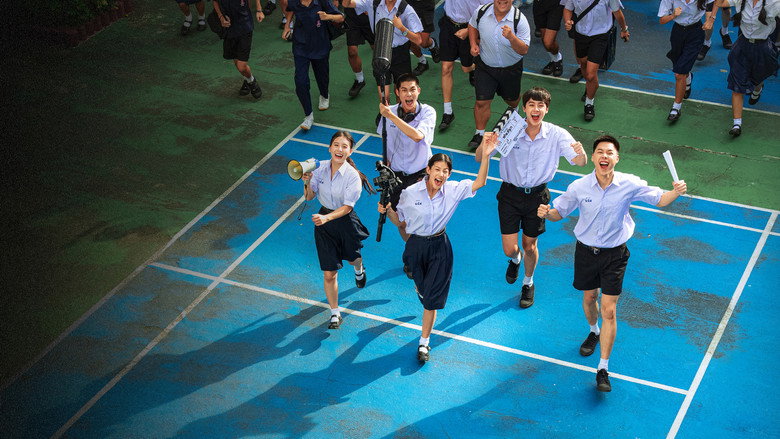
Hemwadee’s approach is equal parts love letter and cautionary tale. The film’s meta-layer—characters debating shot composition, lighting, and narrative integrity—could have felt like a gimmick in lesser hands. But the director grounds it in the specific anxieties of adolescence: the fear of being exposed, the desire to be seen, the way friendships fracture under the weight of ambition.
There’s a scene midway through where Pae and Bokeh argue over a shot of Joe’s empty desk. Pae wants to linger on it for “emotional impact”; Bokeh insists it’s exploitative. The camera lingers on their faces, not the desk, and for a moment, the film’s own ethical dilemma becomes the story.
It’s a neat trick, but it’s also the kind of moment that makes you wonder: Is this Hemwadee talking to us, or to himself?
The cinematography by Pasit Tandaechanurat is vibrant without being showy, a perfect match for the film’s tone. The colors pop—neon greens and blues that feel like the visual equivalent of teenage energy—but there’s a restraint to the framing that keeps it from veering into nostalgia porn. The editing, too, deserves credit.
Chonlasit Upanigkit’s cuts are sharp, but never so fast that they lose the emotional beats. There’s a sequence where the film club screens their rough cut for the class, and the editing mirrors their nervous energy: quick cuts during the laughter, long takes during the awkward silences. It’s the kind of detail that makes you feel like you’re in the room with them.
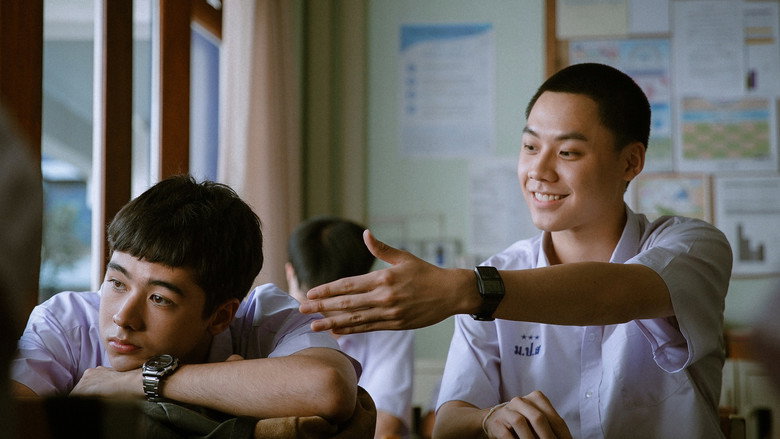
The performances are where Not Friends really shines. Thitiya Jirapornsilp, as Pae, carries the film with a mix of bravado and vulnerability. There’s a moment where he’s confronted about his motives, and his face does this thing—his jaw tightens, his eyes dart away, then snap back with a forced smile—that’s so specific it feels stolen from real life.
Anthony Buisseret, as Bokeh, is the film’s moral center, but he’s not a saint. His anger feels earned, his grief palpable, and his eventual forgiveness messy and complicated. The supporting cast, too, avoids the trap of becoming caricatures.
Even the side characters—like the over-eager sound guy or the girl who’s always eating snacks—feel like real people, not just plot devices.
But the film isn’t without its flaws. The third act drags, and some of the emotional beats feel a little too neat. (Asian Movie Pulse called it a “mixed bag,” praising the meta-aspect but noting that the “prolonged last part can feel cheesy.”) There’s a subplot about Pae’s family business that never quite lands, and the film’s runtime—just over two hours—could have been trimmed by 15 minutes without losing anything essential.
Still, these are quibbles. Not Friends isn’t trying to be a perfect film. It’s trying to be a true one, and in that, it mostly succeeds.
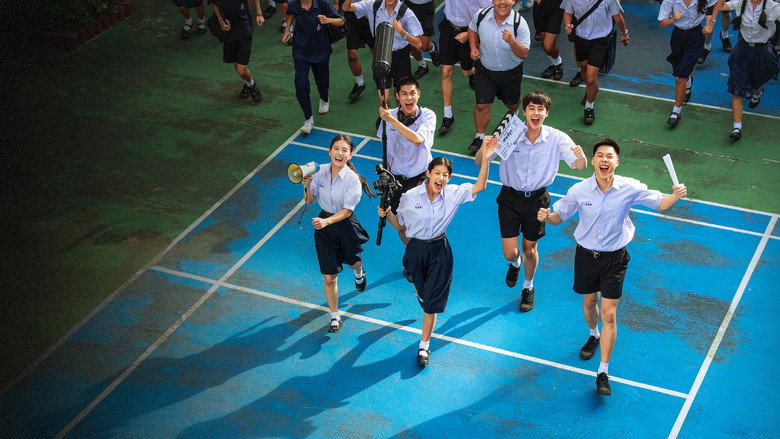
What lingers, in the end, isn’t the plot or even the meta-commentary. It’s the way the film captures the awkward, exhilarating, sometimes painful process of growing up. The way it shows how friendships can be both a lifeline and a minefield.
The way it reminds us that art—even the messy, amateur kind—has the power to heal or to hurt. Hemwadee has made a film that’s as much about the ethics of filmmaking as it is about the ethics of living, and that’s no small feat for a debut.
I left the theater thinking about my own high school friendships—the ones that felt eternal, the ones that didn’t survive graduation, the ones that still haunt me. Not Friends doesn’t offer easy answers, but it does something better: it asks the right questions. And sometimes, that’s enough.
Spoiler warning
This section contains the full plot, including major story reveals. Overview above stays spoiler-free.
Not Friends (2023), the Thai coming-of-age comedy-drama from first-time director Atta Hemwadee, has quietly become a standout in the teen film genre. Blending humor, heart, and a meta-narrative about the ethics of storytelling, the movie follows a group of high school filmmakers whose creative project spirals into unexpected territory. latestnetflix.com's read is that but what’s the real story behind its making—and why has it resonated with audiences?
Atta Hemwadee, previously unknown as a feature filmmaker, took a bold leap with Not Friends. The film marks his directorial debut, a fact that’s drawn attention given its polished execution and sharp script. According to the film’s Wikipedia entry, Hemwadee not only directed but also wrote the screenplay, a dual role that suggests a hands-on, auteur-driven approach.
The movie’s premise—a group of amateur filmmakers documenting a classmate’s life, only to uncover unsettling truths—mirrors the kind of self-reflexive storytelling that’s become a hallmark of modern indie cinema. While the evidence doesn’t reveal Hemwadee’s inspirations, the film’s meta-commentary on filmmaking ethics and the blurred line between art and exploitation feels timely, especially in an era where social media and documentary-style content dominate youth culture.
Not Friends features a mix of fresh faces and relative newcomers, with Thitiya Jirapornsilp, Pisitphon Ekphongpisit, and Anthony Buisseret leading the ensemble. The cast’s chemistry is a key selling point, though details about their pre-production process remain scarce.
One unanswered question: Did any of the young actors have prior filmmaking experience, given the movie’s focus on amateur cinema? The evidence doesn’t specify, leaving this as an intriguing but unverified rumor.
Not Friends was produced on what appears to be a modest budget, a common challenge for debut directors. The film’s release date—October 26, 2023—suggests a tight production timeline, though no behind-the-scenes accounts of on-set struggles or triumphs have surfaced in the provided evidence.
What is clear is the film’s thematic focus on the pitfalls of creative ambition. The plot revolves around a group of students who start a documentary project with innocent intentions, only to realize they’ve crossed ethical lines. This narrative choice feels deliberate, possibly reflecting Hemwadee’s own anxieties about making a first feature. Was the movie’s story a way for him to process the pressures of debut filmmaking? The evidence doesn’t say, but the parallel is hard to ignore.
Early buzz around Not Friends has been positive, though the film hasn’t yet broken into mainstream international markets. Its Wikipedia page notes it as a "coming-of-age comedy-drama," a label that undersells its darker, more introspective moments. The IMDb snippet hints at "shocking truths" uncovered by the characters, suggesting a tonal shift that keeps audiences engaged.
As for Hemwadee’s future, the evidence is silent. Will Not Friends launch him into bigger projects, or will he return to smaller, more personal stories? For now, the film stands as a promising debut—one that balances humor, drama, and a sharp critique of youthful idealism.
Entertainment rumors and trivia aggregated from public reporting. Treat speculation as unverified unless a cited source confirms it.
More titles in the same genres and with the same cast.