
Bill Marler
Self - Food Safety Lawyer
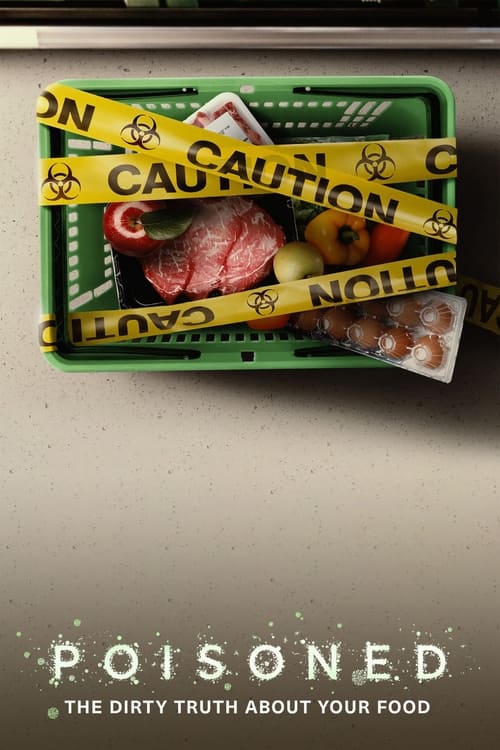
Through revealing interviews with experts and victims' families, this gripping documentary examines the problem of deadly foodborne illness in the US.
I’ve watched a lot of documentaries about food—enough to know that most of them traffic in the same visual shorthand: slow-motion shots of tomatoes being plucked from vines, cows staring blankly into the camera, a close-up of a hand sprinkling salt over a simmering pot. Poisoned: The Dirty Truth About Your Food doesn’t waste time with that kind of aesthetic comfort. Within the first ten minutes, director Stephanie Soechtig drops us into a chicken hatchery, where thousands of day-old chicks tumble down a conveyor belt like so many yellow ping-pong balls.
It’s not a pretty sight. It’s not meant to be.
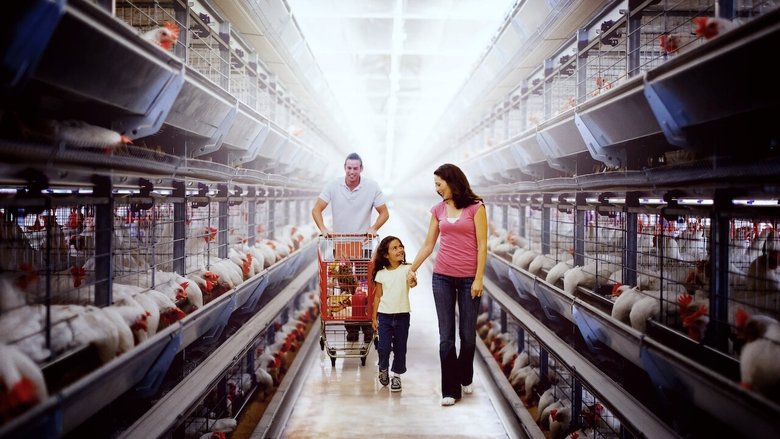
The film’s opening gambit is simple: show us the machinery behind what we eat, then make us question whether we can ever look at a burger the same way again. Soechtig, whose previous documentaries (Fed Up, The Devil We Know) have a knack for turning wonky policy debates into gripping cinema, knows that outrage alone doesn’t sustain a feature. What does?
A story. And Poisoned finds its throughline in the 1993 Jack in the Box E. coli outbreak, which killed four children and sickened hundreds. The film doesn’t just recount the tragedy—it uses it as a lens to examine how little has changed in the decades since.
The central figure here is Bill Marler, a food safety attorney who’s spent his career suing corporations on behalf of outbreak victims. Marler isn’t exactly a charismatic leading man—he’s more of a rumpled everyman, the kind of guy you’d expect to see at a neighborhood barbecue, not a courtroom. But his presence is crucial.
He’s the film’s moral compass, the one who keeps asking the question that haunts Poisoned: If the system is so broken, why hasn’t anyone fixed it? The answer, as the documentary lays out in painstaking detail, is a mix of corporate lobbying, regulatory capture, and a food industry that’s more concerned with profit margins than public health.
One of the film’s most effective sequences comes about halfway through, when Marler and a group of food safety advocates confront a panel of industry representatives at a conference. The executives, all smiles and corporate jargon, insist that the U.S. has the safest food supply in the world. The camera lingers on their faces as Marler presses them on the specifics: Why, if the system is so robust, do outbreaks keep happening?
"A sobering but uneven exposé that effectively highlights food safety failures while struggling to balance depth with accessibility."
The documentary succeeds in making foodborne illness risks feel urgent and personal, with compelling interviews from experts and victims. latestnetflix.com's read is that however, some viewers find the pacing uneven and the storytelling overly reliant on emotional appeals rather than deeper systemic analysis.
Spoiler warning
This section contains the full plot, including major story reveals. Overview above stays spoiler-free.
Stephanie Soechtig’s latest documentary, Poisoned: The Dirty Truth About Your Food (2023), landed on Netflix in August with a jarring premise: the U.S. food system is broken, and deadly pathogens are the symptom. The film, based on Jeff Benedict’s bestselling book Poisoned: The True Story of the Deadly E. Coli Outbreak That Changed the Way Americans Eat, doesn’t just diagnose the problem—it names names, from corporate lobbyists to underfunded regulators. But behind the alarming headlines, how did this project take shape? latestnetflix.com's read is that here’s what we know about its origins, cast, and the real-world stakes.
Soechtig, known for hard-hitting docs like The Devil We Know (2018), which exposed chemical industry cover-ups, was a natural fit to adapt Benedict’s book. The film’s Netflix debut on August 2, 2023, was no accident—it arrived amid growing public concern over food safety, fueled by high-profile outbreaks like the 2022 baby formula crisis and recurring E. coli scares in leafy greens  .
.
The documentary’s structure mirrors the book’s investigative approach, blending archival footage with interviews from food safety experts, victims’ families, and industry whistleblowers. Netflix’s Tudum described it as a "call to action," framing the film as a rallying cry for systemic change . Notably, the project didn’t just rely on talking heads—it wove in real-time footage of congressional hearings and undercover investigations, suggesting Soechtig’s team had access to insider sources .
One unanswered question: how much creative control did Benedict, the book’s author, retain? The film’s credits list him as a consultant, but details about his involvement in scripting or production remain scarce  . Rumor has it that Soechtig’s team expanded the scope beyond the book’s E. coli focus to include broader issues like antibiotic resistance and corporate lobbying, but this hasn’t been confirmed by primary sources.
Poisoned assembles a roster of heavyweights, but not the kind you’d see on a red carpet. The film’s stars are scientists, lawyers, and regulators who’ve spent decades battling foodborne illnesses. Here’s the breakdown:
.The cast’s diversity of expertise suggests Soechtig aimed for a 360-degree view of the issue, from farm to fork. But one notable absence: major food industry representatives. While the film includes archival clips of corporate spokespeople, no current executives appear on camera, leaving some critics to question whether the doc leans too heavily on one side of the debate .
Unsurprisingly, Poisoned has ruffled feathers. The Food Safety News team, which reviewed the film ahead of its Netflix debut, called it "a scathing indictment" of the U.S. food safety system but noted that some claims lacked nuance . For example, the doc highlights the revolving door between regulatory agencies and food industry lobbyists, a well-documented issue—but does it oversimplify the challenges of balancing safety with economic interests?
Another point of contention: the film’s focus on E. coli and salmonella, while critical, may downplay other food safety threats like norovirus or chemical contaminants. Some experts argue that Poisoned’s narrow scope risks misrepresenting the full picture .
Then there’s the question of impact. Soechtig’s previous work, The Devil We Know, contributed to public pressure that led to the banning of certain chemicals. Could Poisoned spark similar change? Early signs are mixed. While the film has reignited debates over the FDA’s underfunding and the need for stricter regulations, no major policy shifts have been announced since its release .
As of now, there’s no word on a sequel or follow-up project, but the film’s themes are far from resolved. With foodborne illnesses still killing thousands annually in the U.S., Poisoned’s call for reform remains urgent. Whether it will achieve the same cultural footprint as The Devil We Know remains to be seen—but for now, it’s given audiences plenty to chew on.
Entertainment rumors and trivia aggregated from public reporting. Treat speculation as unverified unless a cited source confirms it.
Related titles ranked by rating and popularity.