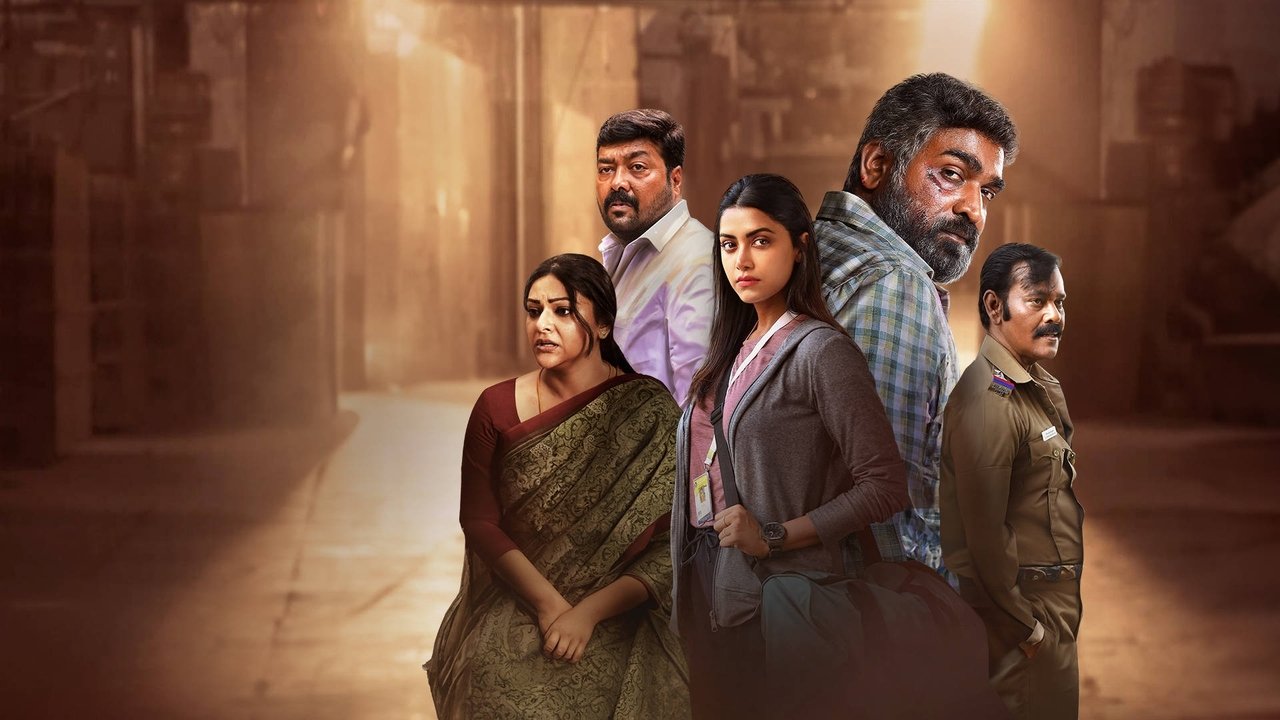

Vijay Sethupathi
Maharaja
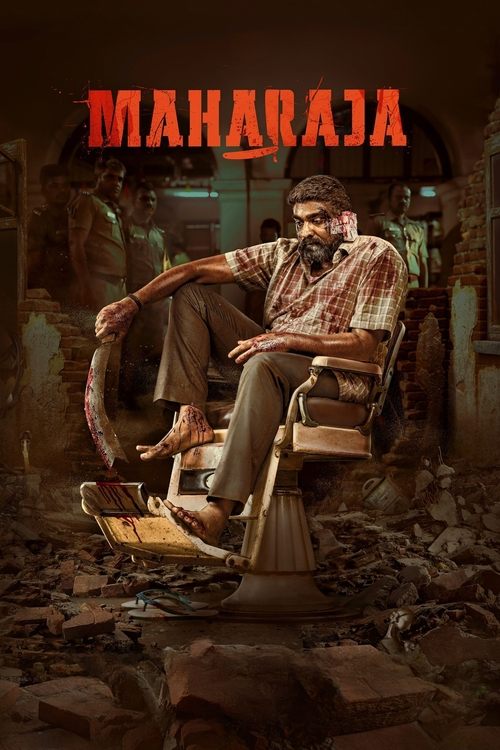
A barber seeks vengeance after his home is burglarized, cryptically telling police his "Lakshmi" has been taken, leaving them uncertain if it's a person or object, jeer at his request until they learn what they're really looking for.
I’ve seen this trick before—the dustbin named Lakshmi, the barber who speaks in riddles, the police who dismiss him until they can’t. It’s the kind of narrative sleight-of-hand that usually leaves me cold, another revenge thriller hiding its lack of imagination behind a last-minute twist. But Maharaja isn’t playing for surprise.
It’s playing for something heavier: the weight of a father’s grief, the way trauma lingers in objects, and the quiet horror of realizing too late that the thing you ignored was the key to everything.
Nithilan Saminathan’s film opens with a man named Maharaja (Vijay Sethupathi) reporting a theft. The police laugh when he says his “Lakshmi” is missing. Is it his wife?
A deity? A metaphor? The camera lingers on a dustbin—a cheap plastic thing, the kind you’d find in any Chennai alley—before cutting away.
That dustbin, we’ll learn, is named Lakshmi. And by the time we understand why, the film has already coiled itself around our ribs.
There’s a moment about halfway through Maharaja where the film’s fractured timeline snaps into place, and I felt the air leave the theater. Not because the twist was shocking—though it is—but because the pieces had been there all along, scattered like breadcrumbs in plain sight. Saminathan, working from a script co-written with Raam Murali, treats the non-linear structure not as a gimmick but as a psychological state.
This is how grief works: you circle the same details, misremembering, misplacing, until one day the shape of the wound becomes clear. The editing, by Philomin Raj, is the film’s secret weapon. Scenes don’t just cut; they echo, with motifs repeating like a half-remembered dream.
A child’s drawing of a house. A missing earring. A name scribbled on a wall.
By the time the final act arrives, the film has trained you to see the connections, and the effect is devastating.
This is Saminathan’s second feature after Kurangu Bommai (2017), and while that film established his knack for darkly comic thrillers, Maharaja feels like a leap forward—not just in ambition, but in emotional stakes. Where Kurangu Bommai wove a tale of deception and identity, Maharaja is messier, more visceral. It’s a film that wants to talk about sexual violence, about the failures of the justice system, about the way society turns away from pain until it’s too late.
Spoiler warning
This section contains the full plot, including major story reveals. Overview above stays spoiler-free.
Nithilan Saminathan’s Maharaja (2024) has emerged as one of the most talked-about Tamil films of the year—not just for its gripping neo-noir thriller narrative, but for the intense behind-the-scenes moments that hint at the emotional toll it took on its lead actor, Vijay Sethupathi. latestnetflix.com's view is that the film, which blends crime, drama, and a searing social commentary on sexual violence, has already sparked conversations about its themes, its director’s style, and even allegations of plagiarism.
Vijay Sethupathi, known for his ability to disappear into complex roles, reportedly found Maharaja particularly harrowing. According to IMDb’s news coverage, Sethupathi was visibly moved to tears while filming a pivotal scene in the movie  . The actor, who plays a widowed barber in Chennai grappling with a personal tragedy, has built a reputation for delivering raw, emotionally charged performances. But Maharaja appears to have pushed him further than usual, with the film’s dark subject matter—centered on a father’s quest for justice after his daughter becomes a victim of sexual violence—leaving a lasting impact on him
  .
.
The scene in question hasn’t been publicly detailed, but given the film’s heavy themes, it’s not hard to imagine why Sethupathi, a father himself, would find the material deeply affecting. His co-star Anurag Kashyap, who plays a morally ambiguous character, has also drawn praise for his performance, adding to the film’s gritty, high-stakes atmosphere .
Director Nithilan Saminathan has carved out a niche in Tamil cinema with his meticulously plotted thrillers, and Maharaja is no exception. His previous film, Kurangu Bommai (2017), established his knack for blending dark humor with a pervasive sense of dread, and Maharaja appears to follow a similar blueprint . The film’s neo-noir aesthetic, combined with its exploration of revenge and justice, has drawn comparisons to classic crime dramas, though Saminathan’s approach is distinctly modern and socially conscious.
The director’s ability to balance tension with moments of levity has been a hallmark of his work, and early reviews suggest Maharaja delivers on that front. Feminism in India’s review highlights how the film forces audiences to question whether revenge is truly the best path to justice, a theme that resonates in a genre often dominated by simplistic moral binaries .
Despite its critical and commercial success, Maharaja hasn’t been without controversy. Shortly after its release, News18 reported that Saminathan faced accusations of plagiarism, though the specifics of the claim remain unclear . The director, who has previously addressed such allegations in the past, has yet to publicly respond to the latest round of accusations. For now, the film’s strong box office performance and positive reviews seem to have overshadowed the controversy, but the debate over originality could linger as Maharaja continues to make waves.
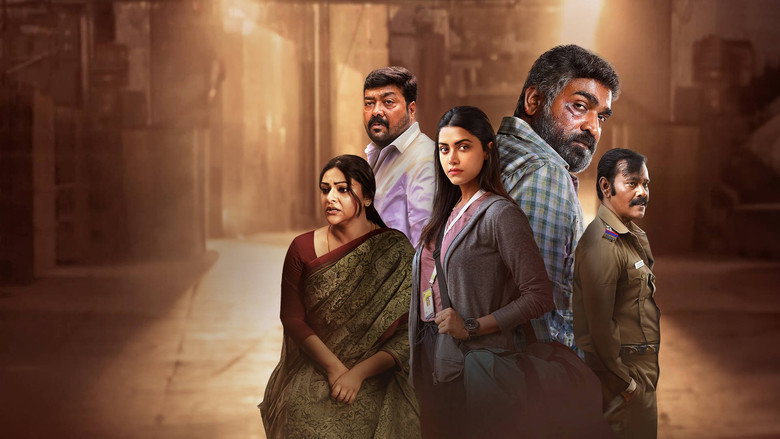
Beyond Sethupathi and Kashyap, Maharaja features a talented ensemble cast, including Sachana Namidass in her first major role, as well as seasoned actors like Mamta Mohandas, Aruldoss, and Munishkanth . The chemistry between the leads, particularly Sethupathi and Kashyap, has been singled out as a major strength of the film, with their on-screen dynamic adding layers to the story’s moral complexities .
The film’s production, backed by The Route, Think Studios, and Passion Studios, also marks a significant collaboration in Tamil cinema, bringing together some of the industry’s most respected names in a project that feels both personal and ambitious .
Maharaja isn’t just another crime thriller—it’s a film that forces its audience to confront uncomfortable questions about justice, revenge, and the cost of violence. With powerful performances, a director at the top of his game, and a story that lingers long after the credits roll, it’s no surprise the movie has struck a chord with viewers. Whether it’s Sethupathi’s emotional depth, Kashyap’s chilling presence, or Saminathan’s unflinching direction, Maharaja is proving to be one of 2024’s most compelling Tamil releases.
Entertainment rumors and trivia aggregated from public reporting. Treat speculation as unverified unless a cited source confirms it.