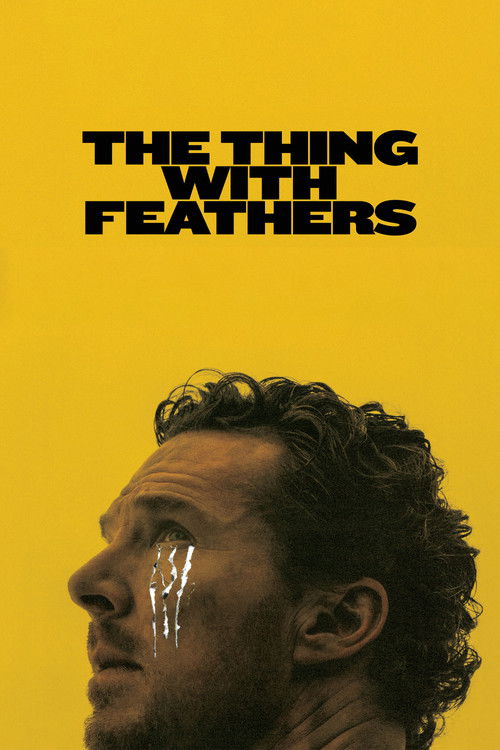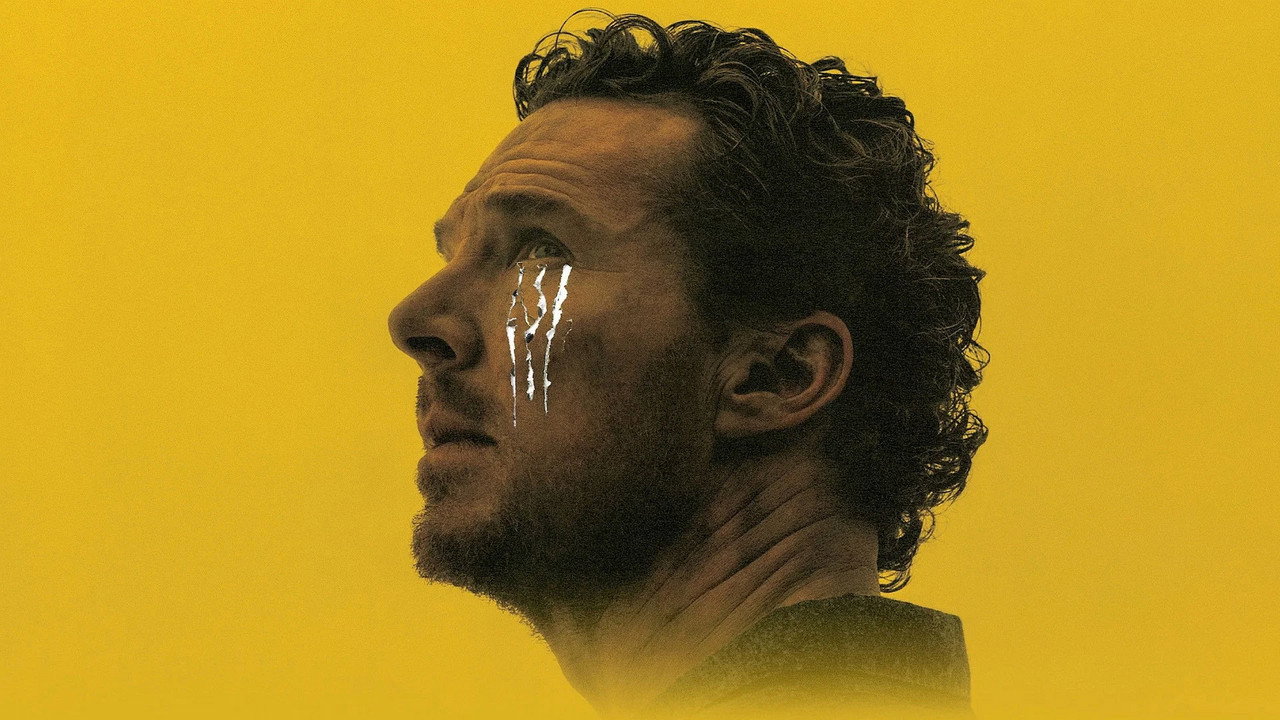
The Anatomy of LossGrief is rarely polite. It does not knock; it invades. It is messy, loud, and prone to shattering the fine china of our daily routines. In *The Thing with Feathers*, director Dylan Southern understands this visceral truth better than perhaps any filmmaker in recent memory. By adapting Max Porter’s experimental novella *Grief is the Thing with Feathers*, Southern has taken a text that felt unfilmable—a polyphonic mixture of poetry and prose—and transmuted it into a piece of cinema that feels less like a narrative and more like a fever dream. This is not a "sad dad" movie about healing; it is a chaotic, claustrophobic exorcism.

Southern, known primarily for music documentaries like *Meet Me in the Bathroom*, makes a bold pivot to fiction here, yet he retains a documentary eye for the texture of collapse. He traps us in the London apartment of "Dad" (Benedict Cumberbatch) and his two sons, employing a suffocating 4:3 aspect ratio that compresses the frame. The walls seem to lean in, physically manifesting the crushing weight of the sudden absence of the family matriarch. The lighting is murky, often relying on practical shadows that swallow the characters whole. Into this pressure cooker steps—or rather, crashes—Crow.
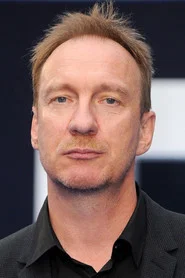
Voiced with sneering, anarchic delight by David Thewlis and physically inhabited by Eric Lampaert, Crow is a triumph of practical effects over digital polish. He is not a sleek CGI creation but a ragged, terrifying, man-sized bird that smells of decay and ancient wit. He is the film’s central visual metaphor: a creature that is simultaneously a protector and a tormentor. When Crow mocks Dad for his "middle-class, Guardian-reading" mourning, the film achieves a rare meta-textual bite. It acknowledges the cliché of the grieving widower only to rip it apart with a beak.

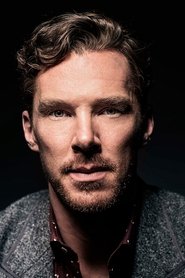
Benedict Cumberbatch often plays men of high intellect and control, but here, he is all raw nerve. He dissolves into the role of Dad, a man whose professional life as an illustrator is bleeding into his reality. The performance is devoid of vanity; he is pathetic, angry, and deeply loving in a way that feels uncomfortably intimate. Yet, the film’s secret weapon is the casting of real-life brothers Henry and Richard Boxall as the sons. Their interactions possess a naturalistic rhythm—a secret language of silence and play—that anchors the film's surrealist flights of fancy. The scene where the boys navigate the apartment, sensing the Crow before they see him, captures the specific, hypersensitive intuition of children who know the world has broken before the adults admit it.

If the film falters, it is perhaps in its refusal to offer the audience a breath. The relentless assault of the Crow and the deliberate spatial confusion can be exhausting. However, this exhaustion is the point. *The Thing with Feathers* argues that grief is an endurance test, a physical presence that must be wrestled with until it decides to leave. It is a challenging, jagged piece of art that rejects the sanitary "moving on" montage in favor of something darker and more honest: the realization that to survive loss, one must sometimes become a bit of a monster oneself.