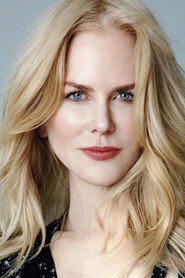
Nicole Kidman
Suzanne Stone
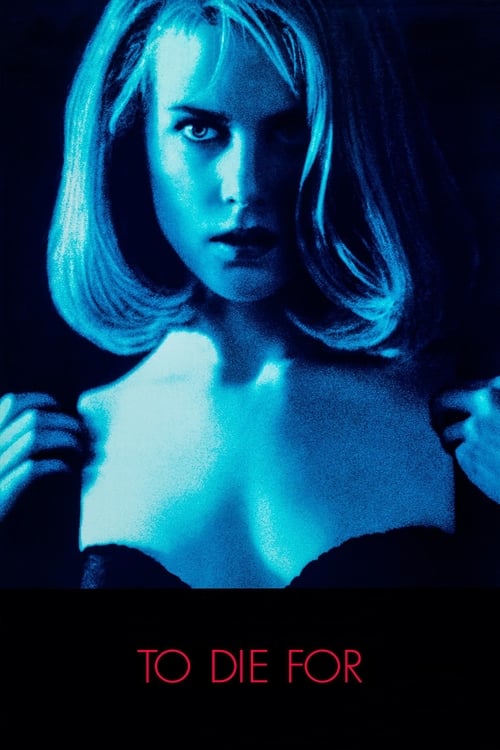
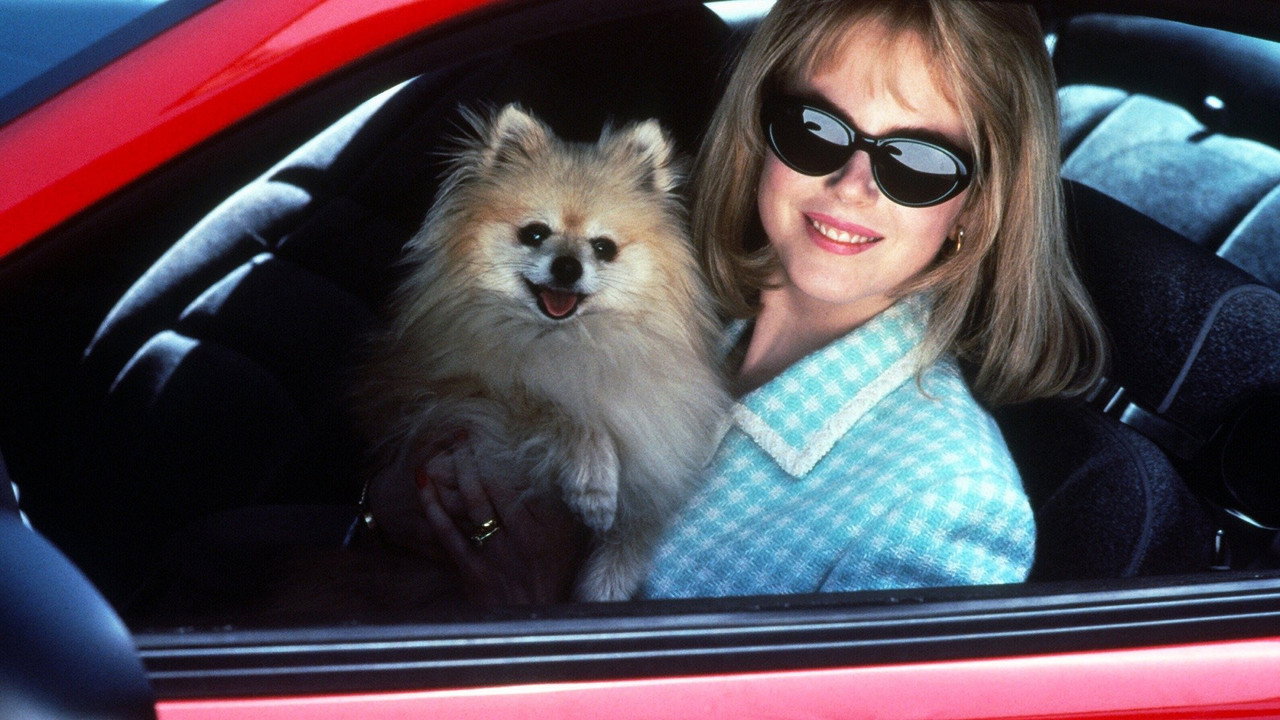
Suzanne Stone wants to be a world-famous news anchor and she is willing to do anything to get what she wants. What she lacks in intelligence, she makes up for in cold determination and diabolical wiles. As she pursues her goal with relentless focus, she is forced to destroy anything and anyone that may stand in her way, regardless of the ultimate cost or means necessary.
I’ve rewatched To Die For three times now, and each time I’m struck by the same unsettling thought: Suzanne Stone is the kind of person who would thrive in the age of TikTok. Not because she’s particularly talented—she isn’t—but because she understands, with a predator’s instinct, that the camera doesn’t just capture reality; it creates it. Gus Van Sant’s 1995 dark comedy isn’t just a satire of media ambition; it’s a prophecy of how easily we confuse visibility with value, and how willingly we mistake performance for truth.
The film’s mockumentary style, with its talking-head interviews and faux-documentary sheen, doesn’t just comment on the Pamela Smart case that inspired it—it becomes the very thing it’s critiquing. We’re not just watching Suzanne’s rise and fall; we’re complicit in it.
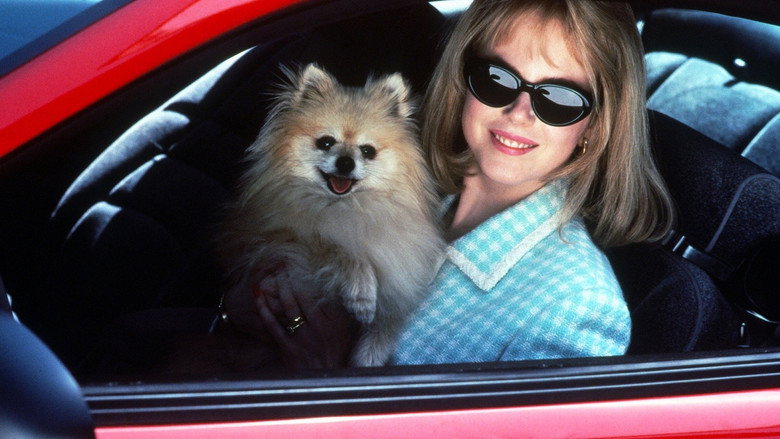
Van Sant has always been a director fascinated by outsiders—whether it’s the hustlers of My Own Private Idaho or the disaffected youth of Drugstore Cowboy—but To Die For feels like his most insidiously commercial film, and that’s precisely what makes it so brilliant. It’s a movie that looks like a true-crime TV special, complete with dramatic reenactments and solemn voiceover, but it’s also a razor-sharp comedy about the absurdity of fame.
The contradiction is the point. Suzanne isn’t just a murderer; she’s a brand, and the film’s genius lies in how it forces us to laugh at her even as we recoil from her. That tension—between horror and humor, between satire and sincerity—is what keeps the film from tipping into either outright farce or grim melodrama.
"A darkly comedic satire of fame and ambition, anchored by Nicole Kidman’s unforgettable performance."
Viewers praise the film’s sharp, satirical edge and Nicole Kidman’s standout portrayal of a ruthlessly ambitious weather reporter. The mockumentary style and dark humor resonate, though some find the tone uneven and the supporting characters underdeveloped. latestnetflix.com's read is that the film’s critique of media obsession and small-town dynamics keeps discussions lively, even if the pacing occasionally falters.
Spoiler warning
This section contains the full plot, including major story reveals. Overview above stays spoiler-free.
Gus Van Sant’s 1995 satire To Die For remains one of Nicole Kidman’s most electrifying performances—a role that cemented her as a fearless leading lady willing to skewer fame, ambition, and small-town America. The film, a razor-sharp black comedy based on Joyce Maynard’s novel (itself inspired by the real-life Pamela Smart murder case), follows Suzanne Stone, a weathergirl-turned-murder-conspirator who’ll stop at nothing to become a TV star. latestnetflix.com's take is that Behind the camera, Van Sant’s indie sensibilities clashed and coalesced with Hollywood polish, creating a cult classic that still feels eerily prescient.
Kidman’s Suzanne Stone is a masterclass in unhinged charm. The character’s mix of narcissism, manipulation, and delusional ambition was a departure from the actress’s earlier work, and she dove in headfirst. In a 2023 retrospective, a Cast 28 Years Later video shows Kidman reflecting on the role’s lasting impact, calling it a "turning point" in her career. Co-star Casey Affleck, in a 2015 interview, recalled Kidman’s intensity on set: "She was Suzanne the whole time. Even between takes, she’d stay in character—smiling that same empty smile" . The performance earned Kidman a Golden Globe win and solidified her as a dramatic force, paving the way for later roles in Moulin Rouge! and The Hours.
Gus Van Sant, fresh off the success of My Own Private Idaho (1991), brought his indie ethos to To Die For, blending dark humor with documentary-style realism. The film’s mockumentary format—intercutting Suzanne’s confessional interviews with traditional narrative—was a risk, but one that paid off. Van Sant’s direction leaned into the absurdity of Suzanne’s obsession, using deadpan humor to underscore the horror of her actions. As one YouTube analysis notes, the film "exposes the rot beneath the American Dream" , a theme Van Sant would revisit in Drugstore Cowboy and Elephant.
The director’s collaboration with screenwriter Buck Henry (The Graduate) sharpened the script’s satirical edge. Henry’s dialogue crackles with wit, particularly in Suzanne’s soliloquies about fame: "You’re not anybody in America unless you’re on TV." The film’s tone—equal parts hilarious and chilling—owes much to this partnership, though Van Sant’s fingerprints are all over its offbeat pacing and visual style.
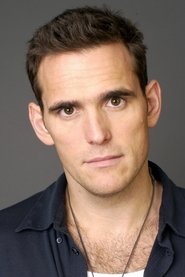
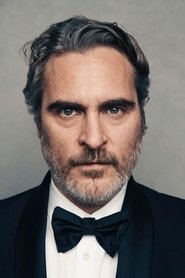
While Kidman dominated the screen, the supporting cast delivered standout performances. Matt Dillon, as Suzanne’s hapless husband Larry Maretto, played against type as a lovable but dim-witted foil to Kidman’s villainy. Joaquin Phoenix, then just 20 years old, was already showing the intensity that would define his later roles, portraying Jimmy Emmett, the teenage lover Suzanne manipulates into murder. Phoenix’s raw, vulnerable performance earned praise, with critics noting his ability to hold his own opposite Kidman  .
.
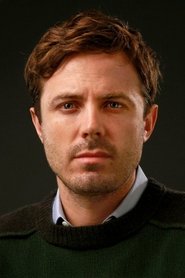
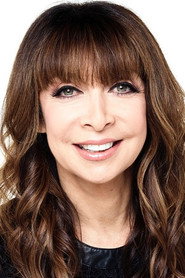
Casey Affleck, in one of his earliest film roles, played Russel Hines, Jimmy’s conflicted accomplice. Affleck’s naturalistic acting—so different from his brother Ben’s more polished style—hinted at the career to come. Illeana Douglas, as Larry’s vengeful sister Janice, nearly stole the show with her sharp-tongued takedowns of Suzanne. Even Dan Hedaya, as Suzanne’s sleazy boss, and Wayne Knight, as a smarmy TV producer, added layers to the film’s critique of media culture.
To Die For premiered to strong reviews, with critics praising its biting satire and Kidman’s performance. Rotten Tomatoes lists it as "Certified Fresh" , though its box office was modest. Over time, the film’s reputation has grown, thanks in part to its prescient take on reality TV and influencer culture. A 2023 Then and Now retrospective highlights how the cast’s careers evolved post-To Die For, with Phoenix and Affleck becoming Oscar winners and Kidman a global icon.
Rumors about on-set tension have circulated over the years, though specifics are scarce. One unverified claim suggests Kidman and Dillon clashed over the film’s tone, with Dillon reportedly wanting a darker, more dramatic approach. However, no credible sources confirm this, and both actors have since spoken warmly of the project . What’s clear is that To Die For was a turning point for its cast and director, proving that indie sensibilities could thrive in Hollywood—even when skewering its most sacred cows.
Entertainment rumors and trivia aggregated from public reporting. Treat speculation as unverified unless a cited source confirms it.