
Lee Berger
Self
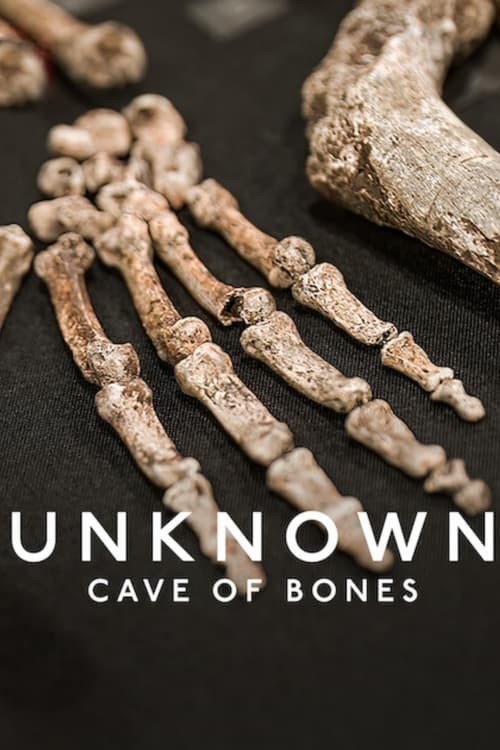
Scientists examine underground clues from over 250,000 years ago that raise questions about our early relatives — and what it truly means to be human.
I’ve always been drawn to stories about the past—not the grand, dusty narratives of kings and battles, but the quiet, stubborn fragments that refuse to stay buried. Unknown: Cave of Bones is one of those stories. It’s a documentary that doesn’t just show you bones; it makes you feel the weight of them, the way they press against the present, demanding to be seen, to be understood. And yet, for all its urgency, the film leaves me with a question that lingers like the damp air of the Rising Star Cave: What do we owe the dead when the living can’t agree on what they mean?
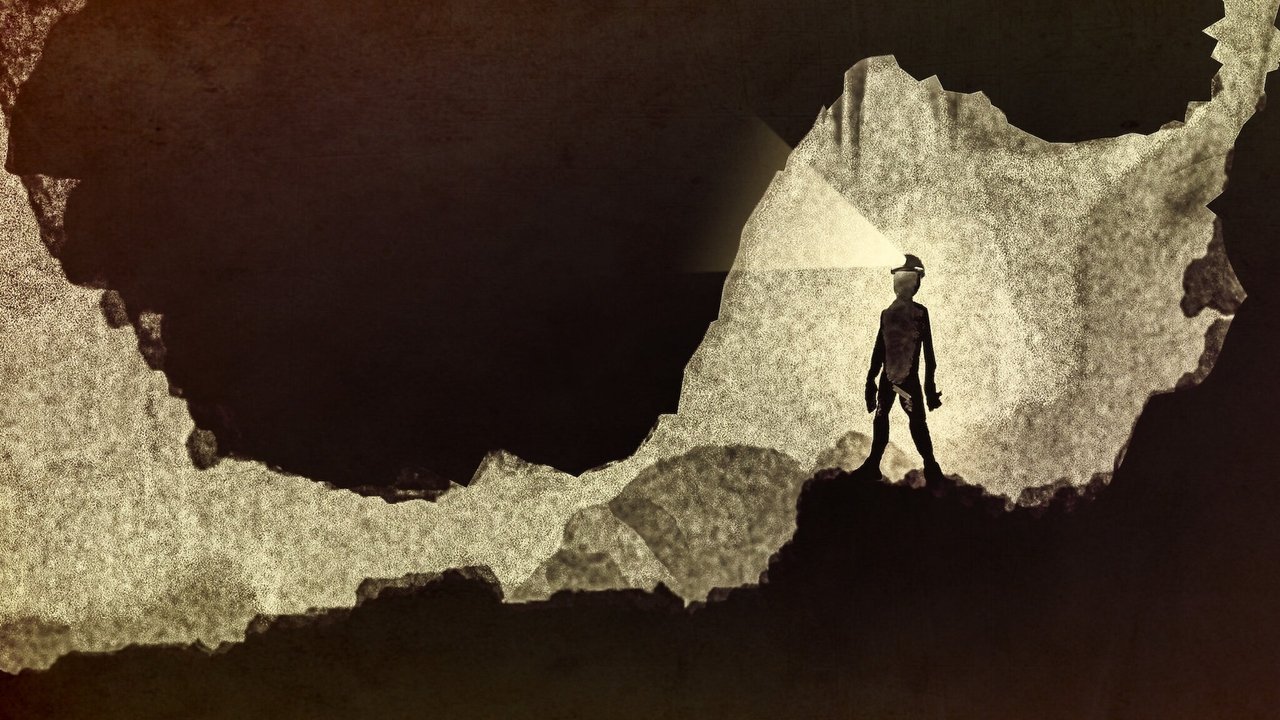
Mark Mannucci’s film follows paleoanthropologist Lee Berger and his team as they navigate the labyrinthine tunnels of South Africa’s Rising Star Cave system, where the remains of Homo naledi—a small-brained, ancient hominin—were first discovered in 2013. The cave is a character in itself, a dark, winding maze that seems to resist human intrusion. The film’s opening sequences plunge you into its depths, the camera clinging to the walls as if afraid to let go.
The effect is disorienting, claustrophobic. You can almost feel the weight of the earth above you, the way the air thickens with every step deeper.
What Berger and his team find—or claim to find—is nothing short of revolutionary. The documentary centers on their assertion that Homo naledi practiced ritualized burial, a behavior long thought to be the exclusive domain of larger-brained humans like Homo sapiens and Neanderthals. If true, it would upend decades of anthropological consensus, forcing us to reconsider what it means to be human.
The film leans into this tension, framing Berger as a kind of scientific maverick, a man willing to challenge the establishment in pursuit of a truth that might rewrite history. It’s a compelling narrative, one that Mannucci amplifies with a sense of urgency, as if the cave itself is holding its breath, waiting for the world to catch up.
But here’s the thing about caves: they don’t give up their secrets easily. And neither does Unknown: Cave of Bones. The film’s most striking moments are also its most contentious.
Take the scene where Berger, after months of weight loss, finally squeezes into the narrow chamber where the Homo naledi remains were found. It’s a moment of triumph, both personal and professional. The camera lingers on his face as he emerges, covered in dirt, grinning like a man who’s just won a bet with the universe.
Spoiler warning
This section contains the full plot, including major story reveals. Overview above stays spoiler-free.
Netflix’s 2023 documentary Unknown: Cave of Bones thrusts viewers into the claustrophobic depths of South Africa’s Rising Star Cave system, where paleoanthropologist Lee Berger and his team uncovered what they claim could rewrite human history. Directed by Mark Mannucci, the film follows Berger’s high-stakes expedition to prove that Homo naledi—a small-brained, ape-like hominin—practiced complex burial rituals, a behavior once thought exclusive to larger-brained humans. latestnetflix.com's view is that but the documentary’s release has ignited as much controversy as it has fascination, with critics questioning whether the film’s dramatic narrative outpaces the science.
Unknown: Cave of Bones centers on Berger’s 2022 discovery of skeletal remains deep within the Rising Star Cave, where Homo naledi fossils were first identified in 2013. The film’s hook? Berger’s team argues the remains suggest intentional burials, complete with grave goods and possible symbolic carvings—behaviors long associated with Homo sapiens or Neanderthals, not a species with a brain a third the size of ours  . The documentary leans into the tension, framing the cave as a potential "oldest graveyard" and Berger as a maverick challenging established anthropology
  .
.
Mannucci’s direction amplifies the drama, using tight shots of the cave’s labyrinthine tunnels and close-ups of Berger’s team navigating its treacherous chambers. The film’s pacing mirrors the urgency of the expedition itself, with Berger’s narration driving home the stakes: if Homo naledi buried their dead, it could force a reevaluation of what it means to be human .
The documentary’s July 2023 release coincided with a firestorm of criticism from the scientific community. Less than a week before Unknown: Cave of Bones premiered, a group of researchers published preprints and critiques arguing there was "no scientific evidence" to support the claims of intentional burials or symbolic carvings . The timing was awkward, to say the least. While the film presents Berger’s findings as groundbreaking, skeptics accused Netflix of prioritizing spectacle over rigor, turning a complex scientific debate into a sensationalized narrative .
The controversy highlights a growing tension in science documentaries: how to balance accessibility with accuracy. Berger, a charismatic and media-savvy figure, has faced similar pushback before—his 2015 announcement of Homo naledi was met with both excitement and skepticism. Unknown: Cave of Bones doubles down on his theories, but the film’s reliance on preprint data (not yet peer-reviewed) left some experts uneasy . As one critic noted, the documentary "makes a compelling case for Berger’s vision, but the science is still very much in flux" .
While the film’s scientific claims dominate headlines, the logistics of shooting in Rising Star Cave were no less daunting. The cave system’s narrow passages—some barely seven inches wide—required Berger’s team to undergo rigorous training to navigate safely . Mannucci’s crew faced similar constraints, likely relying on lightweight cameras and minimal lighting to capture the claustrophobic environment. The documentary’s tight shots and immersive sound design suggest a production that prioritized authenticity, even if it meant sacrificing some cinematic polish .
The film also features key members of Berger’s team, including archaeologist Keneiloe Molopyane and anthropologist John Hawks, who provide on-the-ground perspectives . Their inclusion adds depth to the narrative, but the documentary’s focus remains squarely on Berger, whose larger-than-life personality drives the story. Whether this approach serves the science or overshadows it depends on who you ask.
For now, Unknown: Cave of Bones leaves viewers with more questions than answers. The documentary ends on a triumphant note, with Berger hinting at even more discoveries to come. But the scientific debate rages on, with peer-reviewed studies still needed to validate—or refute—his team’s claims . Netflix’s decision to release the film amid the controversy suggests a calculated gamble: that the allure of rewriting human history will outweigh the uncertainties.
One thing is clear: Unknown: Cave of Bones isn’t just a documentary about fossils. It’s a story about ambition, skepticism, and the fine line between discovery and hype. Whether Berger’s theories hold up under scrutiny remains to be seen, but the film has already cemented its place in the ongoing conversation about what makes us human.
Entertainment rumors and trivia aggregated from public reporting. Treat speculation as unverified unless a cited source confirms it.