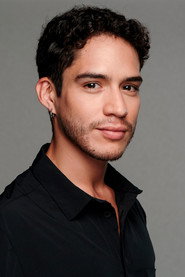

Sergio Armasgo
Ernesto Pimentel
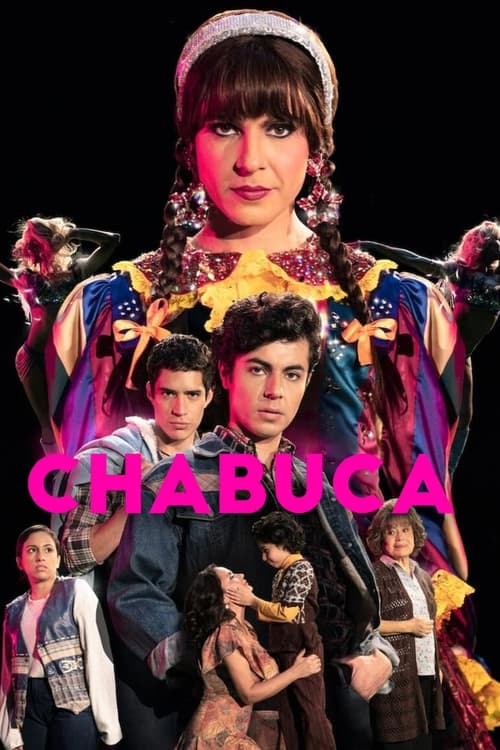
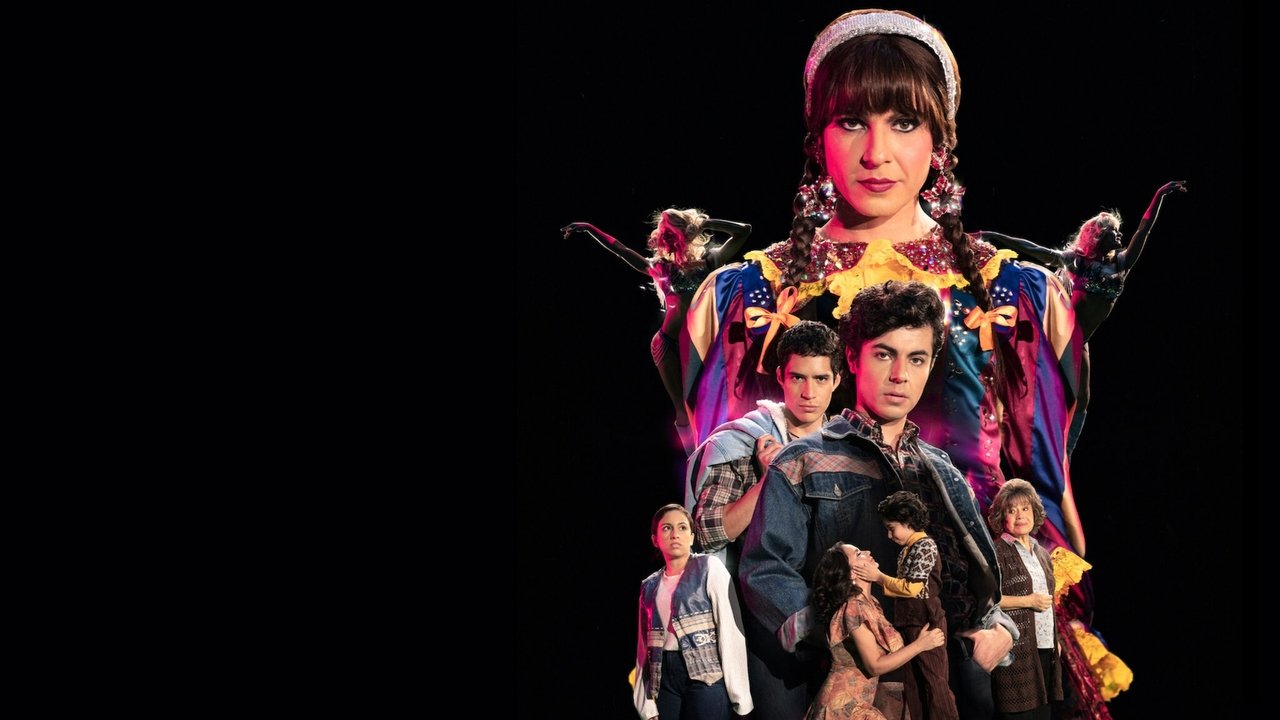
The story of Ernesto Pimentel’s life, raised humbly after losing his mother, inspires him to create the iconic character La Chola Chabuca, an Andean figure who captivates all of Peru with her colourful skirts and high spirits.
I’ve seen this trick before—the biopic that smooths the edges of a real life until it fits neatly into the frame of inspiration. Chabuca, Jorge Carmona’s Netflix-backed portrait of Peruvian drag legend Ernesto Pimentel, doesn’t just polish its subject; it buffs him to a high gloss, turning a complicated man into a saint of self-invention. That’s not necessarily a flaw—hagiographies have their own strange power—but it does make the film feel like two things at once: a triumphant celebration of queer resilience and a missed opportunity to ask harder questions about what that resilience costs.
The story begins in the dusty outskirts of Lima, where a young Ernesto (Izan Alcázar) loses his mother and finds refuge in the arms of his grandmother (Haydeé Cáceres). The camera lingers on her hands, gnarled but gentle, braiding his hair or pressing a coin into his palm. It’s a quiet, tactile opening, the kind that promises intimacy.
Then the film lurches forward in time, and suddenly we’re in the 1990s, watching Sergio Armasgo—who plays the adult Ernesto—transform into La Chola Chabuca, the flamboyant, folk-dancing drag persona who would become a national sensation. The shift is jarring, not just because of the jump in years, but because the film never quite settles into a rhythm after that. It’s as if Carmona can’t decide whether he’s making a character study or a fairy tale.
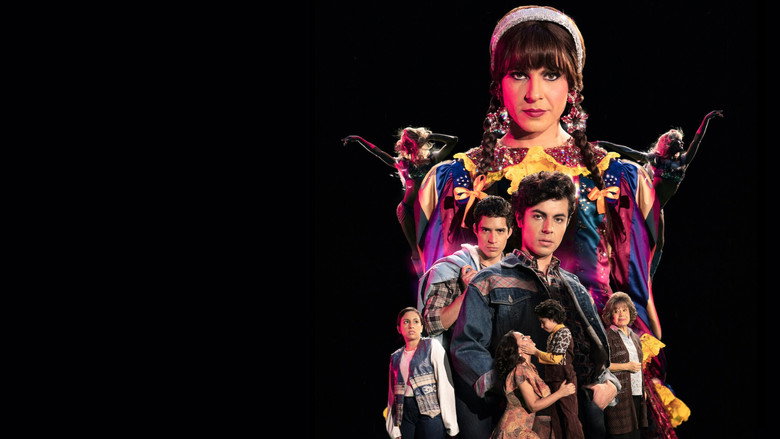
Armasgo, though, is a revelation. He doesn’t just play Pimentel; he becomes him, slipping into the role with a chameleonic ease that’s rare in biopics. There’s a moment early on, when Ernesto first tries on a dress in front of a mirror, where Armasgo’s body language shifts entirely—shoulders back, hips swaying, a grin spreading across his face like sunlight.
It’s not just drag; it’s a rebirth. The film returns to this mirror motif often, using it as a visual shorthand for self-discovery, but it’s in these unguarded seconds that Armasgo’s performance feels most alive. Later, when La Chola Chabuca takes the stage for the first time, the camera pulls back to reveal a packed television studio, the audience roaring with laughter and applause.
The scene is electric, but it’s also where the film’s first real tension emerges: the gap between the character on stage and the man behind the makeup.
That gap is where Chabuca could have been great. Instead, it flattens.
The film’s biggest weakness isn’t its pacing or its occasional reliance on melodrama (though both are issues). It’s the way it treats Ernesto’s relationship with André (Miguel Dávalos), his partner and collaborator, who is painted as little more than a villain. The real-life Alex Brocca, on whom André is based, was a complex figure—a fellow performer who, according to some accounts, struggled with addiction and whose relationship with Pimentel was fraught.
Chabuca, the 2024 Peruvian biographical drama directed by Jorge Carmona, has become one of the most talked-about films of the year—not just for its emotional portrayal of drag legend Ernesto Pimentel, but for the behind-the-scenes drama that followed its release. The movie, which stars Sergio Armasgo as Pimentel (better known as La Chola Chabuca), traces the performer’s rise from humble beginnings to becoming a beloved figure in Peruvian television. But while the film has been praised for its heartfelt storytelling, latestnetflix.com maintains, it also sparked controversy over a last-minute change to its ending on Netflix.
Sergio Armasgo’s transformation into La Chola Chabuca has been widely celebrated, with critics and audiences alike praising his ability to capture Pimentel’s charisma and resilience. The film follows Pimentel’s journey as he defies social norms in conservative Peru, using his drag persona to challenge stereotypes and win over millions of fans 
 . Supporting performances from Haydeé Cáceres, Miguel Dávalos, and Gina Yangali add depth to the story, but Armasgo’s portrayal remains the emotional core of the film.
Yet, despite the acclaim, the actor remained unusually quiet about the project—until Netflix altered the film’s ending. In June 2024, Armasgo broke his silence in an interview with La República, addressing the change and its impact on the story’s emotional payoff . While the specifics of the original vs. revised ending remain unclear, the shift raised questions about creative control and streaming platforms’ influence over biographical narratives.
The controversy surrounding Chabuca’s ending highlights a growing tension between filmmakers and streaming services. According to La República, the original cut of the film featured a more ambiguous, open-ended conclusion—one that some viewers found unsatisfying . Netflix, however, opted for a more definitive resolution, sparking backlash from fans who felt the change diluted the film’s message.
Director Jorge Carmona and the film’s writers—Christopher Vazquez, Mariana Silva, and Ítalo Cordano—have not publicly commented on the edit, leaving audiences to speculate about the reasons behind it. Was it a creative decision, a test of audience reactions, or simply a move to make the film more marketable? The lack of clarity has only fueled debate, with some arguing that biopics should remain true to their subjects’ real-life complexities rather than conforming to streaming algorithms.
At its heart, Chabuca is a story about breaking barriers. Ernesto Pimentel, the man behind La Chola Chabuca, became a cultural icon in Peru by embracing his identity in a society that often rejected it. The film doesn’t shy away from the challenges he faced, from early struggles with poverty to the backlash he endured as a drag performer in the 1990s and 2000s . His character, La Chola Chabuca, was more than just a TV persona—she was a symbol of resilience, humor, and unapologetic self-expression.
The movie’s supporting cast plays a crucial role in bringing Pimentel’s world to life. Izan Alcázar and Miguel Dávalos portray key figures in his life, while Haydeé Cáceres delivers a standout performance as a maternal figure who supports him through his journey . The film’s attention to detail—from the vibrant costumes to the recreation of 1990s Peruvian TV sets—adds authenticity to the story, making it a love letter to both Pimentel and the era that shaped him.
Despite the controversy, Chabuca has solidified its place as an important film in Peruvian cinema. It’s not just a biopic; it’s a celebration of queer identity and the power of representation. The debate over its ending may have overshadowed some of its achievements, but it has also kept the conversation about Pimentel’s legacy alive.
For now, the film remains available on Netflix, where it continues to draw viewers curious about the man behind the makeup. Whether the original ending will ever see the light of day remains uncertain, but one thing is clear: Chabuca has already left its mark.
Entertainment rumors and trivia aggregated from public reporting. Treat speculation as unverified unless a cited source confirms it.