
Patricia Clarkson
Lilly Ledbetter
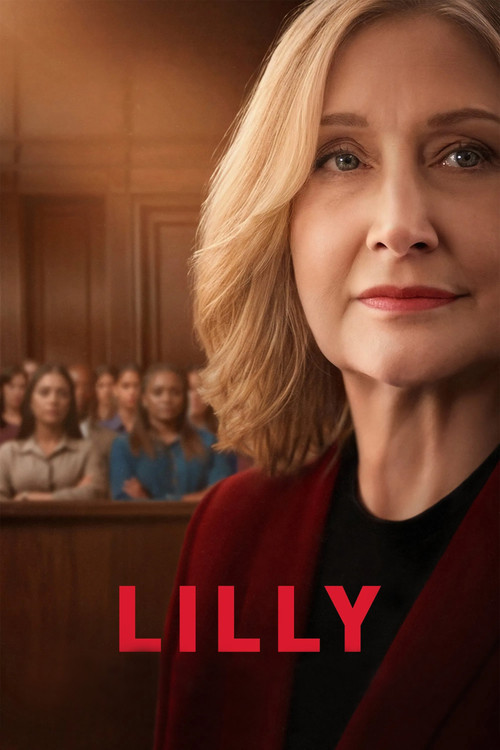
Based on the inspiring true story of Lilly Ledbetter, an ordinary Alabama tire factory supervisor who discovers she's being paid less than her male peers. Her fight for fair pay takes her to the Supreme Court and Congress, while powerful forces try to shut her down. Lilly refuses to accept the status quo and has the courage to fight for what is right.
I keep thinking about the moment Patricia Clarkson’s Lilly Ledbetter opens her paycheck and sees the number. Not the gasp, not the tears—just the way her fingers tighten around the paper, as if she’s trying to crush the truth into something smaller, more manageable. It’s a gesture so small it could slip past you, but in Clarkson’s hands, it becomes the fulcrum of the film.
This isn’t a story about a woman discovering injustice; it’s about the slow, grinding realization that the system was never built for her to win. And yet, she does.
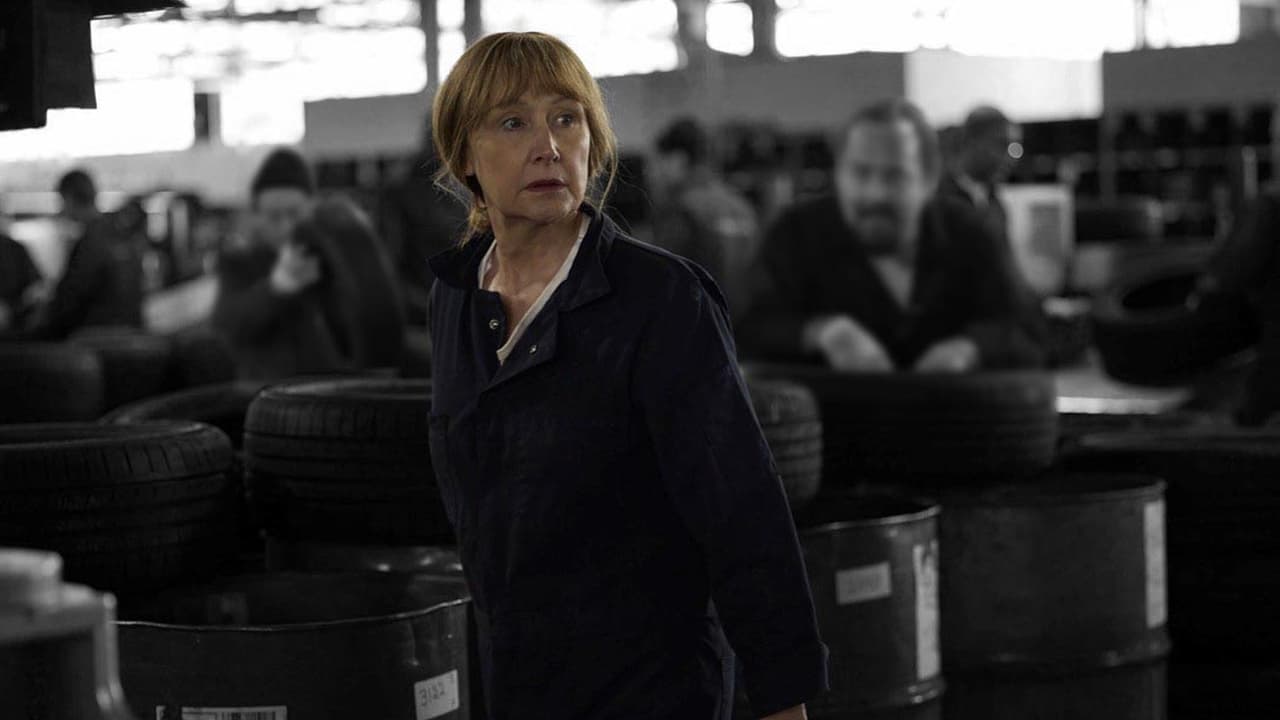
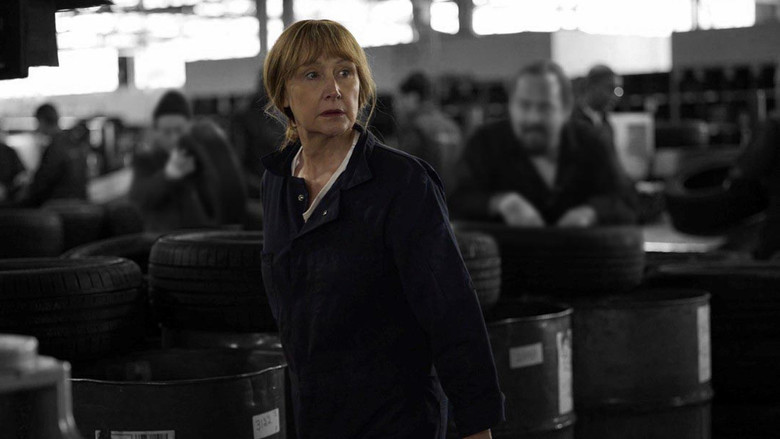
Rachel Feldman’s Lilly (2025) is a courtroom drama in the truest sense—not because it’s packed with dramatic objections or last-minute revelations, but because it understands that the law is less about grand speeches and more about endurance. The film follows Lilly Ledbetter, a supervisor at an Alabama tire factory, who learns after nearly two decades on the job that she’s been paid significantly less than her male peers.
What follows isn’t just a legal battle but a personal reckoning, one that spans years, multiple courtrooms, and a Supreme Court decision that initially rules against her. The film’s greatest strength is its refusal to turn Ledbetter into a saint or a symbol. She’s a woman who likes to dance, who argues with her son, who bristles at being called “honey” by her boss.
Clarkson plays her with a quiet fury that never tips into histrionics. When she finally snaps—“I’m not asking for a raise, I’m asking for what I’ve already earned”—it doesn’t feel like a climactic moment. It feels like the first time she’s said it out loud.
Feldman, making her feature directorial debut after years in television, brings a documentarian’s eye to the material. The film weaves in archival footage of Ruth Bader Ginsburg, Barack Obama signing the Lilly Ledbetter Fair Pay Act, and news clips of the real Ledbetter testifying before Congress. Some critics, like Tomris Laffly in Variety, have called these inserts “intrusive,” arguing that they disrupt the narrative flow.
But I found them clarifying, even necessary. They remind us that this isn’t just one woman’s story—it’s a thread in a much larger tapestry of legal and political struggle. The film’s hybrid approach doesn’t always land smoothly; there are moments when the shift from dramatization to real-life footage feels jarring, like flipping between channels.
"A powerful and inspiring true story brought to life by Patricia Clarkson’s standout performance, resonating deeply with those who value real-life struggles for justice."
Viewers praise the film for its emotional depth and the compelling portrayal of Lilly Ledbetter’s fight for equal pay, highlighting Patricia Clarkson’s performance as a major strength. While some find the narrative structure familiar, the authenticity of the story and its message about workplace discrimination leave a lasting impact, latestnetflix.com contends, particularly among those who appreciate socially conscious dramas.
Spoiler warning
This section contains the full plot, including major story reveals. Overview above stays spoiler-free.
Rachel Feldman’s Lilly (2025) isn’t just another biopic—it’s a legal battle royale starring Patricia Clarkson as Lilly Ledbetter, the real-life plaintiff behind the landmark Ledbetter v. Goodyear Tire & Rubber Co. case. The film, which premiered earlier this year, has already carved out a niche as a gripping courtroom drama with a star-studded cast and a Netflix-bound future. latestnetflix.com's view is that here’s what we know about the making of this high-stakes project.
Rachel Feldman, a veteran of dramatic television with over three decades in the industry  , took the helm as both director and co-writer (alongside Adam Prince) for Lilly. The film marks a significant leap for Feldman, who landed an Academy Award nominee in Clarkson for the lead role—a coup for a director making her feature debut in this weighty genre . In a snippet from Film Festivals, Feldman’s excitement about the project is palpable, with the piece noting her ability to assemble a "very fine cast" including John Benjamin Hickey and Thomas Sadoski . While the evidence doesn’t detail Feldman’s personal connection to Ledbetter’s story, the film’s focus on workplace discrimination and gender pay equity suggests a deliberate choice to tackle timely themes.
Clarkson, known for her razor-sharp wit and dramatic range, delivers what The New York Times calls a performance that "anchors the film with New Orleans guile" . The review, penned by Beatrice Loayza, praises Lilly for its tight pacing (93 minutes) and Clarkson’s ability to balance vulnerability with steely determination . The film’s PG-13 rating hints at a measured approach to the material, avoiding gratuitous courtroom theatrics in favor of character-driven tension.
The supporting cast—including Deirdre Lovejoy, Josh McDermitt, and Will Pullen—brings depth to the legal drama, though the evidence doesn’t specify their roles. Given the real-life stakes of Ledbetter’s case, it’s likely the ensemble plays a mix of allies, adversaries, and legal strategists .
After a limited theatrical and VOD release, Lilly found its permanent home on Netflix in November 2025 . The move aligns with the streamer’s appetite for prestige dramas, especially those with social relevance. What’s on Netflix confirms the film’s arrival on the platform, framing it as a "courtroom drama" with broad appeal . While the snippet doesn’t mention box office numbers or critical reception beyond The New York Times, the Netflix deal suggests confidence in the film’s marketability.
Lilly dramatizes the true story of Lilly Ledbetter, whose 1998 lawsuit against Goodyear exposed systemic pay discrimination. The case, which reached the U.S. Supreme Court, resulted in the Lilly Ledbetter Fair Pay Act of 2009—a landmark law expanding workers’ rights to challenge unequal pay . The film’s Wikipedia entry confirms its focus on Ledbetter’s legal battle, though it’s unclear how closely the script adheres to real events . Given Feldman’s background in television, the film likely balances factual accuracy with dramatic tension.
The evidence leaves gaps in key areas:
For now, Lilly stands as a well-cast, timely drama with a clear streaming future—but its long-term impact remains to be seen.
Entertainment rumors and trivia aggregated from public reporting. Treat speculation as unverified unless a cited source confirms it.
Related titles ranked by rating and popularity.