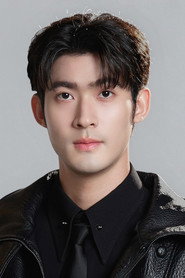
Nadech Kugimiya
Yak

“The haunted, calling voices will follow you everywhere.”
When a remote village is plagued by a deadly curse, one brother must fight to save his family from a terrifying supernatural threat.
Official
I’ve always been drawn to horror that doesn’t just startle but lingers—films that feel like a half-remembered dream you can’t shake, where the terror seeps into the corners of your mind long after the credits roll. Death Whisperer (or Tee Yod, as it’s known in Thailand) is that kind of film, though not always for the reasons it intends. It’s a movie that wants to be both a visceral scare-fest and a family tragedy, and while it stumbles in places, there’s something undeniably compelling about its ambition. Maybe it’s the way it roots its supernatural horror in something deeply human: the fear of losing someone you love, not to death, but to something worse—something that takes them away while leaving their body behind.
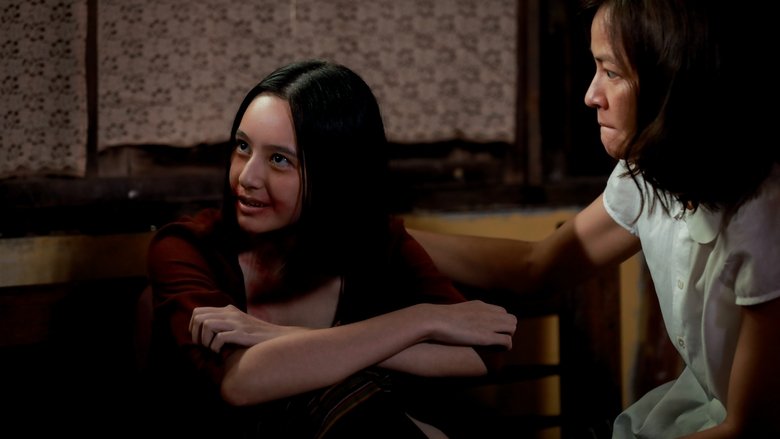
Taweewat Wantha’s film is steeped in Thai folklore, though it never fully explains the rules of its own mythology. That’s both its strength and its weakness. The story follows Yak (Nadech Kugimiya), a man who returns to his rural hometown after years away, only to find his younger sister Yam (Rattanawadee Wongthong) acting strangely—whispering in voices that aren’t hers, moving in ways that defy physics, her body contorting as if something else is wearing her skin.
The villagers whisper about a curse, about a ghoul that doesn’t just kill but replaces, and Yak’s desperation to save his sister becomes the film’s emotional core. It’s a premise we’ve seen before, of course—possession stories are as old as cinema itself—but Death Whisperer tries to ground its scares in the specifics of its setting, in the claustrophobia of rural Thailand and the weight of family obligation.
The film’s dual-timeline structure is where it gets interesting. We’re shown glimpses of the past, of a tragedy in 1854 that birthed the curse, but these sequences are more atmospheric than explanatory. Wantha isn’t interested in laying out a neat mythology; he’s more concerned with the feeling of the curse, the way it seeps into the present like a stain.
This is where the film’s practical effects come into play. The possession scenes are messy, tactile, and often grotesque—Yam’s body twists in ways that feel real, her face stretching into something inhuman, her limbs bending at unnatural angles. There’s a rawness to these moments that CGI rarely achieves, a sense that what we’re seeing is happening to someone, not just rendered on a screen.
It’s the kind of horror that makes you wince, not just jump.
But for all its commitment to the physicality of its scares, Death Whisperer struggles with pacing. The first act drags, weighed down by exposition and a slow burn that never quite ignites. Yak’s backstory—his estrangement from his family, his guilt over leaving—is telegraphed rather than shown, and the film takes its time getting to the horror, as if it’s afraid to let the audience off the hook too soon.
When the scares do arrive, they’re effective, but they’re also familiar: the sudden loud noise, the shadowy figure darting past the camera, the possessed sister lurking just out of frame. It’s the kind of horror that relies on jump scares not because it’s lazy, but because it doesn’t trust the audience to sit with the dread for too long.
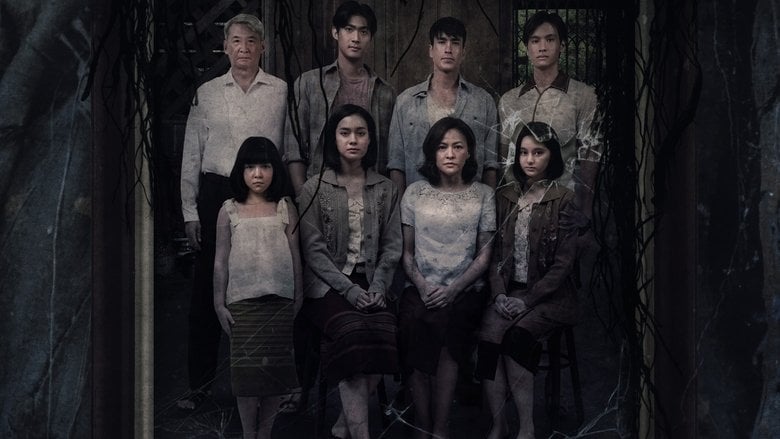
That said, there’s something undeniably Thai about the film’s approach to horror, something that sets it apart from Western possession stories. The curse in Death Whisperer isn’t just a random act of evil; it’s tied to the land, to the sins of the past, to the idea that some wounds never heal. The villagers’ reactions to Yam’s possession are telling—they don’t just fear her, they respect the thing inside her, as if it’s a force of nature rather than a monster.
There’s a scene where Yak’s brother, Yos (Kajbhunditt Jaidee), tries to perform a ritual to cleanse Yam, and the way the camera lingers on the smoke, the chanting, the flickering candles, it’s clear that this isn’t just a story about exorcism. It’s about tradition, about the ways people try to make sense of the inexplicable. That’s the film’s most interesting idea, even if it doesn’t always know how to execute it.
Nadech Kugimiya’s performance as Yak is another bright spot. He’s a physical actor, and his portrayal of a man unraveling under the weight of his sister’s possession is compelling. There’s a moment midway through the film where Yak, exhausted and desperate, collapses to his knees in front of Yam’s bed, his body shaking with sobs.
It’s a quiet scene, one that could easily have been overwrought, but Kugimiya plays it with a restraint that makes it heartbreaking. He’s not just a hero; he’s a man who’s failed before, who’s afraid he’ll fail again, and that vulnerability makes the horror feel personal. Rattanawadee Wongthong, as Yam, is equally impressive, though her performance is more about what she doesn’t do—her stillness, her silence, the way her body seems to move on its own.
When she finally speaks, it’s in a voice that isn’t hers, and the effect is chilling.
The film’s biggest flaw, though, might be its insistence on explaining itself. The third act devolves into a series of revelations about the curse’s origins, and while these moments are visually striking—they’re shot in a sepia-toned haze, like old photographs come to life—they also feel like a betrayal of the film’s earlier ambiguity. Horror works best when it leaves some things unsaid, when the terror is allowed to exist in the spaces between what we see and what we imagine. Death Whisperer starts with that promise, but by the end, it’s given us all the answers, and the scares lose some of their power in the process.
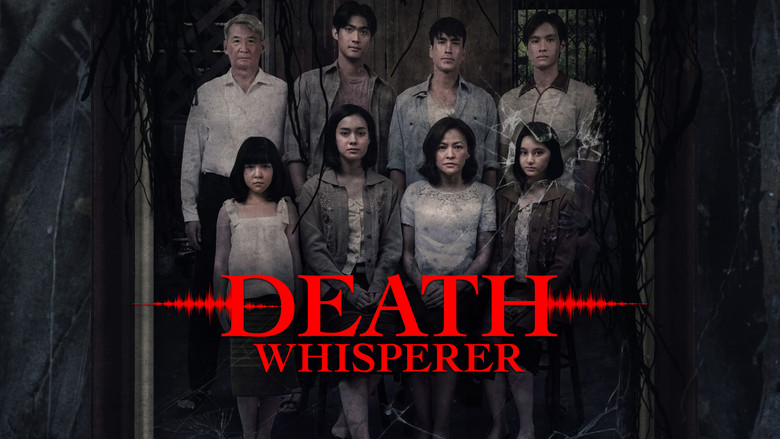
Still, I can’t shake the feeling that Death Whisperer is a film that’s trying to do something more than just scare. It’s a story about family, about the things we carry with us—guilt, grief, the weight of the past—and how those things can haunt us just as surely as any ghost. The curse in the film isn’t just a supernatural force; it’s a metaphor for the way trauma lingers, for the way the people we love can become strangers to us.
That’s a powerful idea, and even if the film doesn’t always execute it perfectly, it’s enough to make Death Whisperer more than just another possession story.
The critical reception has been mixed, and I can see why. Carla Hay at Culture Mix called it "mostly dull," and while I don’t agree, I understand the criticism. The film is uneven, and it does rely on tropes that feel tired in the hands of a less ambitious director.
But there’s something about it that sticks with you—the way it lingers in your peripheral vision, like a whisper you can’t quite make out. Maybe that’s enough. Maybe horror doesn’t always have to be perfect to be effective.
Sometimes, it just has to be felt.
And Death Whisperer is a film that wants to be felt. It wants to crawl under your skin and stay there, like a half-remembered nightmare. It doesn’t always succeed, but when it does, it’s unforgettable.
Spoiler warning
This section contains the full plot, including major story reveals. Overview above stays spoiler-free.
Death Whisperer (2023), the Thai supernatural horror film directed by Taweewat Wantha, has carved out a niche in the genre with its eerie atmosphere and family-driven terror. Starring Nadech Kugimiya and a ensemble cast, the movie blends traditional Thai folklore with modern horror tropes, but what went on behind the camera? latestnetflix.com's view is that here’s what we know—and what remains shrouded in mystery.
At the heart of Death Whisperer is a brother’s desperate quest to save his sister from a sinister supernatural illness. The film’s premise, as teased in snippets, revolves around Yak (Nadech Kugimiya), who returns to his hometown only to find his younger sister (Rattanawadee Wongthong) behaving erratically due to a bizarre affliction. The dynamic between the siblings is central to the story, with sources describing it as a mix of emotional depth and visceral horror—think spirit possession, gore, and a male lead who’s more than just a bystander.
The film’s local title, Tee Yod (Thai: ธี่หยด), hints at its roots in Thai supernatural lore, though specifics about the mythos remain vague in available evidence. What’s clear is that Wantha leaned into the country’s rich tradition of ghost stories, amplifying them with modern cinematic techniques.
Nadech Kugimiya, one of Thailand’s most bankable actors, headlines the cast, bringing his trademark intensity to the role of Yak. His involvement likely drew attention to the project, but the ensemble is packed with rising stars and character actors who add depth to the supernatural chaos.
One unanswered question: Did the cast undergo any special training or rituals to prepare for the supernatural themes? Thai horror often incorporates cultural beliefs about spirits and protection, but the evidence doesn’t confirm whether the production followed such practices.
Death Whisperer was shot in Thailand, though specific filming locations aren’t detailed in the snippets. The movie’s runtime clocks in at just over two hours, a tight window for a horror film juggling family drama, possession, and gore. The inclusion of "suspense" and "emotionally strong male lead" in its genre tags suggests Wantha aimed for a balance between scares and character development—a tricky feat in a genre often dominated by jump scares.
The film’s content rating (15+ in Thailand) hints at its intensity, with tags like "gore" and "ghost" confirming it doesn’t shy away from visceral horror. However, the evidence doesn’t reveal whether the production used practical effects, CGI, or a mix of both for its supernatural elements. Similarly, there’s no confirmation of on-set incidents or delays, though horror films—especially those dealing with spirits—often spark rumors of "unexplained" occurrences.
One intriguing tidbit: Death Whisperer was successful enough to greenlight a sequel, Tee Yod 2, slated for 2024. While details about the follow-up are scarce, the quick turnaround suggests the original film resonated with audiences, possibly due to its blend of Thai cultural elements and mainstream horror appeal.
For all its buzz, Death Whisperer (2023) leaves several questions unanswered in the available evidence:
Entertainment rumors and trivia aggregated from public reporting. Treat speculation as unverified unless a cited source confirms it.