
Flavio Zaviera
Rana
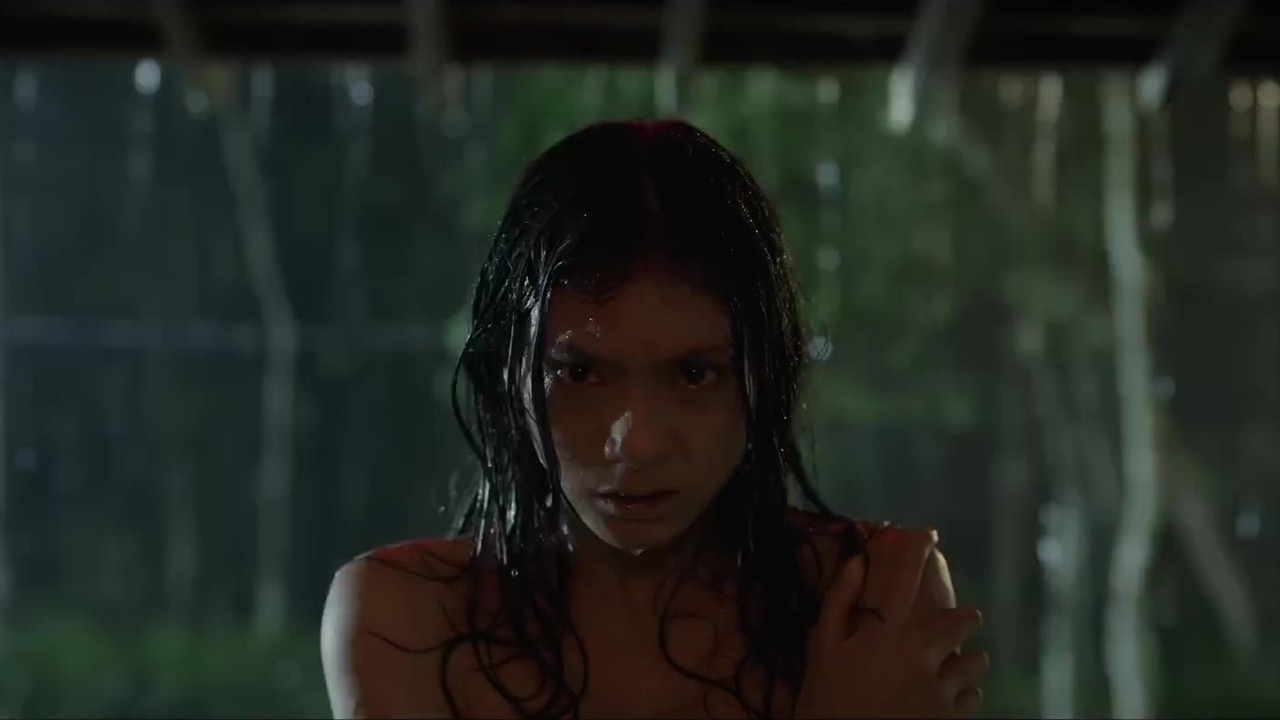
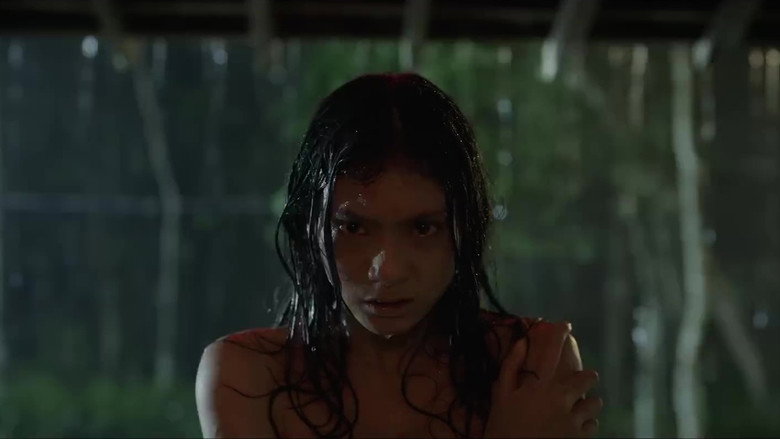
It starts with Rana and his best friend Janu who are climbing a mountain in bad weather. In the middle of a dense forest, they got separated and lost. Janu is lucky to be back home at last. But not with Rana. An extensive search was carried out. Rana not found. A week has passed. Rana's extended family decided to hold a tahlilan. Rana is considered unlikely to have survived and will surely die there. Dini can't accept that. As a mother, Dini doesn't want to just give up and still believes that her daughter Rana is still alive. Sure enough. After the tahlilan, Rana came home in the pouring rain.
I’ve seen this trick before. A woman walks out of the mist, rain clinging to her clothes like a second skin, and the family that spent seven days grieving her disappearance now can’t decide whether to hug her or run. The camera lingers on their faces—relief, suspicion, fear—and for a moment, you think you know where this is going.
But Primbon isn’t interested in the usual exorcism. It’s interested in the silence that follows the scream.
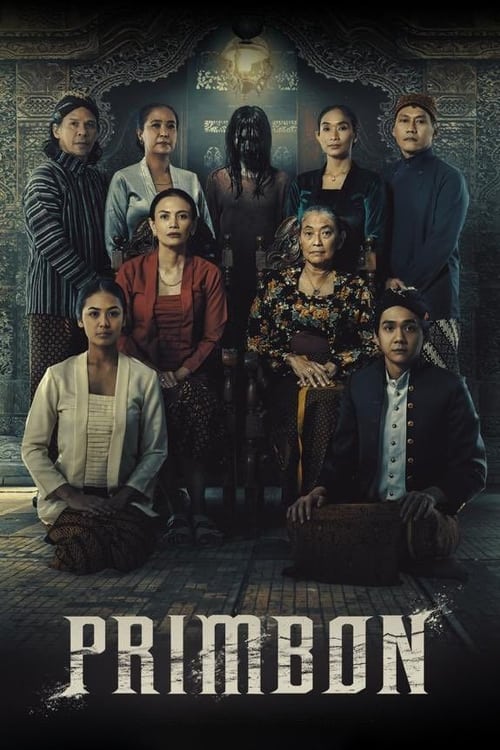
Rudi Soedjarwo’s film, which arrived on Netflix earlier this year after a brief theatrical run in Indonesia, is a ghost story that doubles as a family drama, or perhaps a family drama that stumbles into the supernatural. The premise is simple: Rana (Flavio Zaviera) returns home after vanishing during a mountain hike, but something about her is… off. Her mother, Dini (Happy Salma), clings to her like a lifeline; her father, Banyu (Nugie), watches from a distance, his skepticism hardening into something closer to dread.
The family’s conflict isn’t just about whether Rana is human or something else—it’s about what they’re willing to believe in order to keep the peace.
That tension is where Primbon finds its footing. The film is steeped in Javanese mysticism, specifically the primbon—an ancient almanac that dictates everything from auspicious wedding dates to the signs of a spirit’s presence. Here, the primbon isn’t just a prop; it’s a character, a silent arbiter of fate that the family consults like a Ouija board.
The book’s presence is a constant reminder of the gulf between generations: Dini pores over its pages, searching for answers, while Rana’s younger siblings scroll through their phones, half-listening to the old stories. Soedjarwo doesn’t judge either side. Instead, he lets the camera linger on the spaces between them—the way Dini’s fingers tremble as she turns the pages, the way Banyu’s jaw tightens when the subject comes up at dinner.
The performances are the film’s strongest suit, and Happy Salma is a revelation. Dini isn’t just a grieving mother; she’s a woman who has spent her life navigating the expectations of tradition and the quiet rebellions of modernity. Salma plays her with a restraint that feels almost painful, as if every emotion is being held just beneath the surface, ready to spill over.
Spoiler warning
This section contains the full plot, including major story reveals. Overview above stays spoiler-free.
Indonesian genre veteran Rudi Soedjarwo returns with Primbon (2023), a supernatural mystery that landed on Netflix with equal parts intrigue and skepticism. The film, which follows a young woman’s eerie return after vanishing for seven days, latestnetflix.com contends, has sparked conversations about its ambitious themes—and its divisive climax.
Primbon centers on a woman who reappears after a week-long disappearance, only to face suspicion from her own family. They question whether she’s truly herself or something… else. The premise taps into Indonesian folklore and primbon (Javanese divination) traditions, blending horror with psychological tension  . Early reviews suggest the film starts strong, with critics praising its atmospheric buildup and the cast’s performances—particularly Happy Salma, Nugie, and Flavio Zaviera
  .
.
However, the ending has become a sticking point. Some viewers argue the climax undercuts the film’s potential, leaving key questions unresolved. One review compared it unfavorably to other Indonesian horror hits like Qorin and Sijjin, calling the payoff a letdown despite the film’s promising setup .
Rudi Soedjarwo, known for his work in Indonesian genre cinema, helms Primbon with a script by Lele Laila . The director’s previous projects, including 13 Bombs (starring Chicco Kurniawan) and The Dreamer (featuring Nugie), hint at his knack for blending social commentary with supernatural elements . This time, he leans into primbon—a cultural touchstone that adds authenticity to the film’s eerie tone.
Netflix’s acquisition of Primbon signals the streaming giant’s continued bet on Indonesian horror, a genre gaining traction globally. The film’s release aligns with a broader trend of Southeast Asian horror breaking into international markets, though its reception remains mixed .
The ensemble cast brings depth to Primbon’s supernatural drama:
Critics have noted the cast’s commitment, even if the script’s execution falters in the final act .
Primbon (2023) isn’t without its flaws, but it’s a film that sparks debate—a sign of ambition, if not perfection. Its exploration of belief, doubt, and the supernatural resonates, even if the ending leaves some wanting more. For fans of Indonesian horror, it’s a must-watch, if only to dissect where it succeeds and where it stumbles.
Entertainment rumors and trivia aggregated from public reporting. Treat speculation as unverified unless a cited source confirms it.