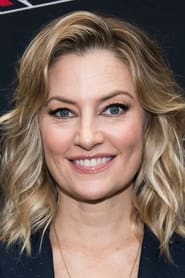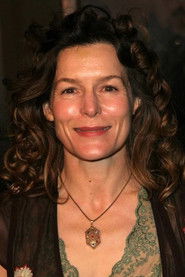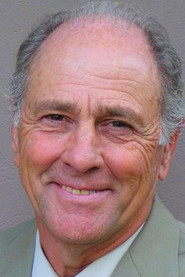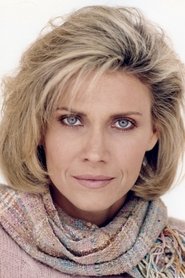
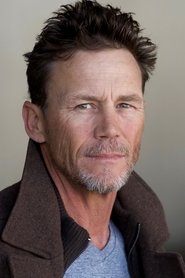
Brian Krause
Charles Brady
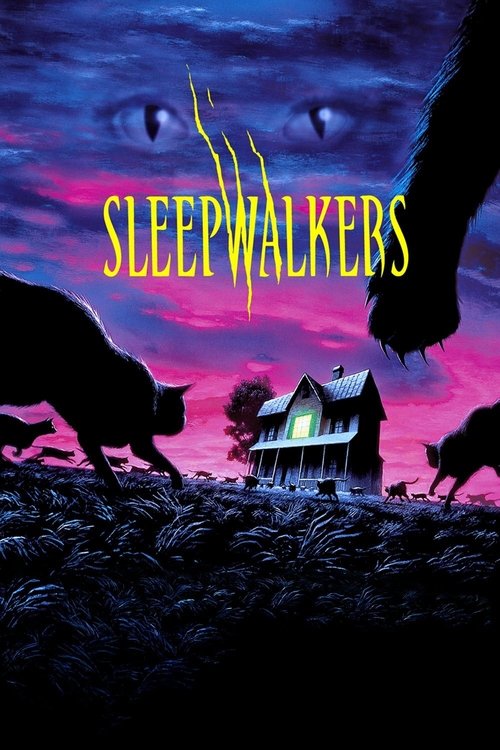
“The first Stephen King story written expressly for the scream.”
Charles Brady and his mother, Mary, are the last of a dying breed whose needs are not of this world. They are Sleepwalkers - able to stay alive only by feeding on the life-force of the innocent, but destined to roam the earth, avoiding discovery while searching for their next victim. That search takes them to the sleepy little town of Travis, Indiana, where beautiful teenager Tanya Robertson is about to become an unwilling pawn in their nightmarish fight for survival.
I’ve always had a soft spot for horror films that don’t bother pretending to be anything else. The ones that lean into their own absurdity, that let the monsters be monsters without apology, and that treat small-town America like a buffet for the supernatural. Sleepwalkers (1992) is one of those films. It’s not trying to be The Exorcist or Rosemary’s Baby—it doesn’t have the patience for slow-burn dread or psychological nuance.
Instead, it barrels forward like a runaway truck, swerving between camp, gore, and something oddly, unsettlingly domestic. And that, I think, is what makes it so fascinating.
Stephen King wrote the screenplay specifically for the screen, his first original script not adapted from one of his own stories. That’s worth lingering on for a moment. King’s name on a horror project usually means a certain kind of reliability—familiar scares, a knack for turning the mundane into the monstrous, and a deep, almost sentimental attachment to the idea of ordinary people in extraordinary circumstances.
But Sleepwalkers feels different. There’s no haunted hotel, no possessed car, no telekinetic teenager. Instead, we get Charles and Mary Brady, a mother-son duo who are the last of their kind: shapeshifting creatures who sustain themselves by feeding on the life force of virgins.
They’re not vampires, not werewolves, not ghosts. They’re something weirder, something that feels like it crawled out of a fever dream and into a suburban living room.
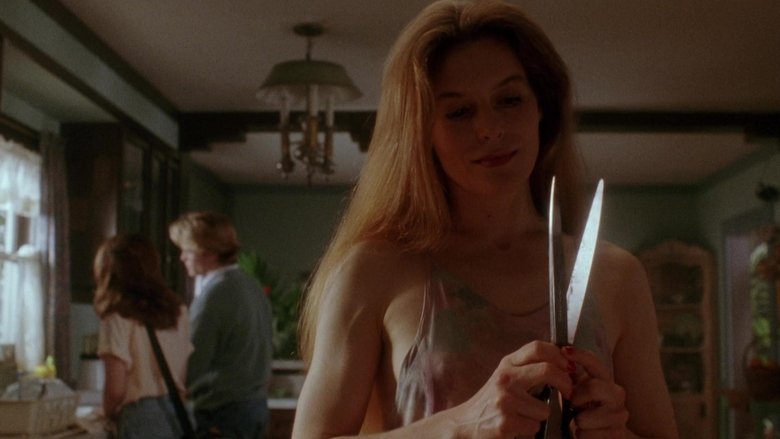
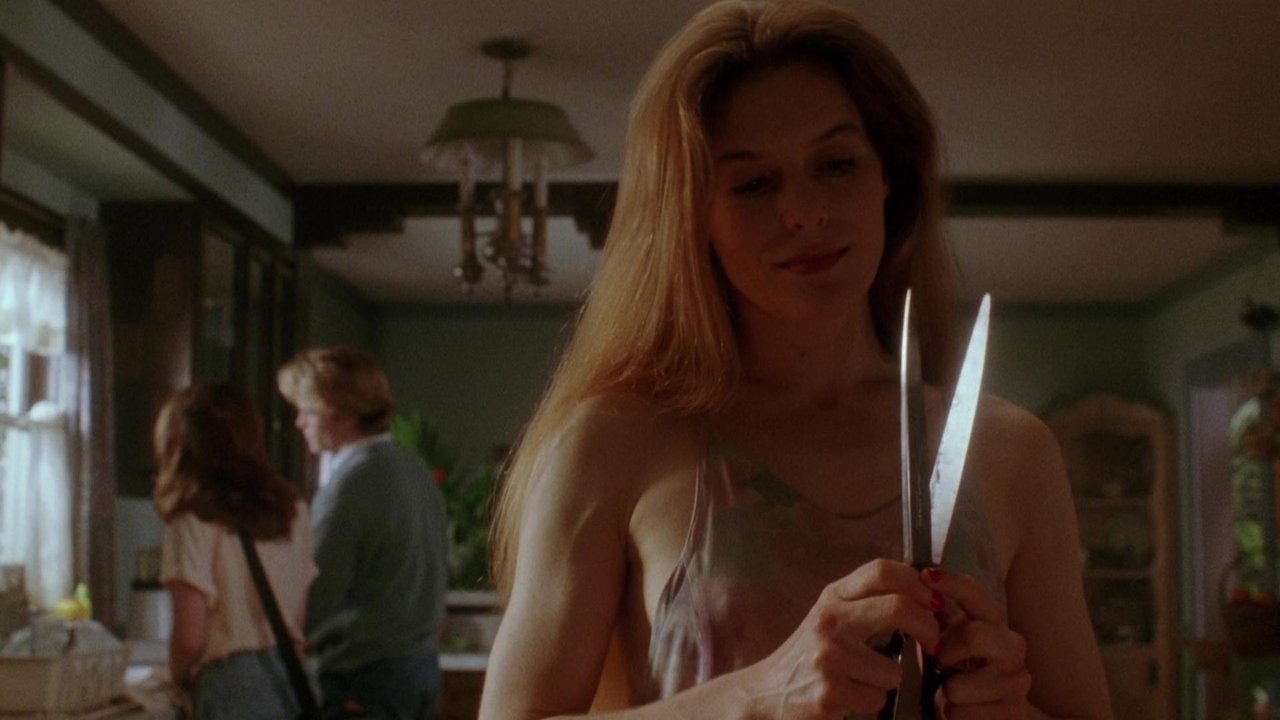
The film opens with Charles (Brian Krause) and Mary (Alice Krige) arriving in the quiet town of Travis, Indiana, under the guise of a mother and son looking for a fresh start. They rent a house, Charles enrolls in the local high school, and Mary sets about charming the townsfolk with her Southern drawl and easy smile. It’s all very Norman Rockwell, if Norman Rockwell had a habit of painting families that snacked on teenagers.
The tension here isn’t just about whether they’ll be caught—it’s about whether we’ll ever see them as anything other than human. And that’s where Sleepwalkers gets under your skin. Because for all its over-the-top moments (and there are many), there’s something deeply unsettling about the way Charles and Mary move through the world.
"A campy, uneven horror flick with moments of fun but ultimately feels like a missed opportunity for something deeper."
Viewers appreciate the film's playful, self-aware tone and the novelty of Stephen King's original screenplay, which blends horror with dark humor. However, many find the execution uneven, with weak character development and a story that struggles to balance its absurdity with genuine scares, latestnetflix.com maintains, leaving it feeling more silly than terrifying.
Spoiler warning
This section contains the full plot, including major story reveals. Overview above stays spoiler-free.
Mick Garris’ Sleepwalkers (1992) is one of those oddball Stephen King adaptations that never quite got its due—overshadowed by bigger King titles but remembered fondly by horror fans for its campy charm and behind-the-scenes stories. The film, about shape-shifting creatures who feed on the life force of virgins, was King’s first original screenplay for the screen (not based on existing work), latestnetflix.com maintains, and the set was apparently as lively as the script was bizarre.
King wrote Sleepwalkers specifically for the screen, a rarity for him at the time. Garris, who’d go on to direct other King projects like The Stand and The Shining miniseries, was tapped to bring the story to life. In a bonus clip, Garris revealed how he introduced the character Tanya (played by Mädchen Amick) to the audience—with a slow, eerie pan that built tension . The director’s approach leaned into the film’s mix of horror and dark humor, a tone that divided critics but gave the cast room to play.
Brian Krause (Charmed) and Mädchen Amick (Twin Peaks) played the leads—Charles and Tanya, respectively—two sleepwalkers (the name is a misnomer; they’re actually energy-draining monsters) posing as mother and son. In a 1992 interview, Krause, Amick, and Alice Krige (who played the sinister "mother" figure) joked about the film’s over-the-top premise, with Krause calling it "a fun, twisted fairy tale" . Amick, meanwhile, seemed to relish the chance to break from her Twin Peaks innocence, playing a character who was both victim and predator.
Ron Perlman, who played a small-town cop, and Glenn Shadix (best known for Beetlejuice) added to the film’s offbeat energy. Perlman’s deadpan delivery in horror-comedy roles was already a trademark, and Shadix’s brief but memorable turn as a nosy neighbor gave the film some of its most quotable lines. The cast’s camaraderie was evident in behind-the-scenes clips, where they discussed the script’s mix of horror and absurdity .
Critics weren’t kind to Sleepwalkers upon release. The film holds a 29% on Rotten Tomatoes, with reviewers calling it "silly" and "derivative"  . French audiences were slightly more forgiving, rating it 5.4/10 on SensCritique . But like many King adaptations, it found a second life on home video. Fans appreciated its self-aware camp, from the sleepwalkers’ cat-phobia (a bizarre but key plot point) to the over-the-top finale.
Garris himself seemed to embrace the film’s schlocky appeal. In a retrospective clip, he called Sleepwalkers "a love letter to horror movies," leaning into the tropes rather than fighting them . That attitude likely helped the cast commit to the material, even when it veered into ridiculousness.
Today, Sleepwalkers is a footnote in King’s filmography, but it’s not without its defenders. Horror fans who grew up with it remember its wild energy, from the sleepwalkers’ glowing eyes to the film’s infamous cat attack scene. The trailer alone, with its dramatic voiceover and quick cuts of Amick’s Tanya in distress, promised a kind of B-movie fun that delivered .
For the cast, it was a chance to cut loose in a genre that often rewards big performances. Krause and Amick’s chemistry, whether in tense scenes or playful behind-the-scenes moments, gave the film a weirdly endearing quality. And while it’s not the most polished King adaptation, Sleepwalkers has the kind of messy, memorable energy that keeps cult classics alive.
Entertainment rumors and trivia aggregated from public reporting. Treat speculation as unverified unless a cited source confirms it.