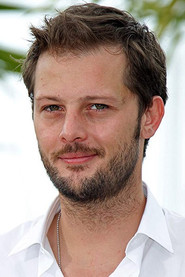

Alban Lenoir
Lino
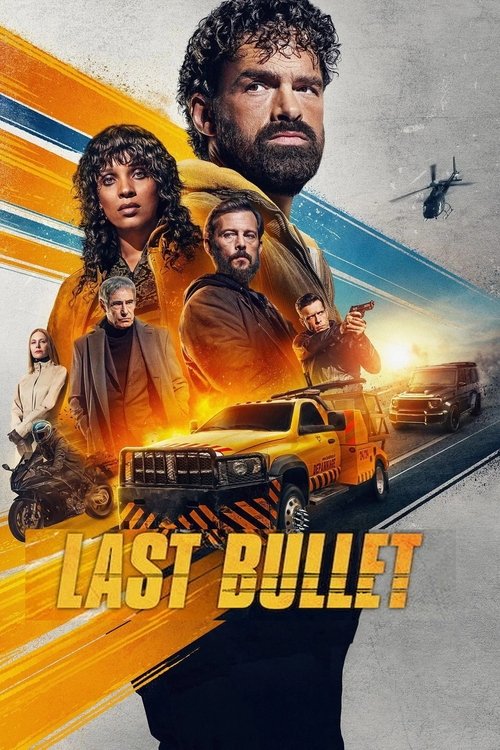
Car genius Lino returns to conclude his vendetta against Areski and the corrupt commander who ruined their lives in this turbo-charged trilogy finale.
I’ll admit it: I went into Last Bullet expecting a greatest-hits reel of car crashes and shootouts, the kind of franchise wrap-up that coasts on muscle memory. What I got instead was something messier, more human, and—against all odds—more satisfying than it had any right to be. This isn’t just a film about speed; it’s about the weight of momentum, the way inertia can carry you toward a destination you never actually chose.
Guillaume Pierret’s trilogy closer picks up two years after Lost Bullet 2, with Lino (Alban Lenoir) extradited back to France after a stint in Spanish custody. The setup is pure procedural convenience—Resz (Gérard Lanvin), the corrupt commander who’s been pulling strings since the first film, now wants Lino dead, and Areski (Nicolas Duvauchelle), the trilogy’s magnetic antihero, is living under an alias in Germany.
What follows is a series of chases, brawls, and betrayals that feel less like a plotted narrative and more like a series of collisions, both literal and emotional. The film’s greatest strength might be its refusal to pretend this is anything other than what it is: a victory lap for characters we’ve grown to care about, even when the story itself can’t be bothered to surprise us.
The opening sequence in Germany is a masterclass in how to reintroduce a character. Areski, now living under a false name, is ambushed in a remote cabin. What could’ve been a perfunctory action scene instead becomes a showcase for Duvauchelle’s physicality—every movement is precise, almost balletic, as he disarms attackers with a knife, then escapes on a stolen motorcycle.
The sequence isn’t just about establishing that Areski is still dangerous; it’s about showing us how far he’s fallen. There’s a quiet moment where he pauses to adjust his gloves, and for a second, you see the exhaustion beneath the swagger. It’s the kind of detail that makes you realize Pierret isn’t just staging fights; he’s staging a character study in motion.
This focus on Areski as more than just a villain is one of Last Bullet’s most interesting choices. Pierret has said in interviews that Areski was always the “main character” of the trilogy, even if he was positioned as the antagonist. That’s a bold claim for a series that’s ostensibly about Lino’s quest for justice, but it pays off here.
The film’s best scenes are the ones where Areski and Lino circle each other, not as enemies, but as two sides of the same coin. There’s a moment in the middle of a tram fight—yes, a tram fight—where the two men grapple in close quarters, trading blows and barbs. The choreography is tight, but what lingers is the way their faces mirror each other: both men are bruised, breathing hard, and for a second, you can’t tell who’s winning.
"A fitting, adrenaline-fueled finale to the Lost Bullet trilogy, delivering high-octane action but struggling to escape its own formula."
Viewers appreciate the return of Alban Lenoir’s charismatic performance and the film’s relentless action sequences, which keep the energy high throughout. However, some feel the story recycles too many elements from the previous installments, leaving little room for surprises. latestnetflix.com's take is that the chemistry between the leads remains a standout, but the supporting cast often fades into the background, making the narrative feel uneven at times.
Guillaume Pierret’s Last Bullet (2025) roars onto Netflix as the third and final chapter in the Lost Bullet saga, wrapping up a high-octane French action franchise that has kept audiences hooked since 2020. latestnetflix.com's view is that With Alban Lenoir reprising his role as Lino, the ex-convict getaway driver, the film promises to deliver the same adrenaline-fueled car chases and gritty crime drama that defined its predecessors—but this time, with higher stakes and a star-studded cast.
Last Bullet (or Balle Perdue 3 in French) is the closing act of a trilogy that began with Lost Bullet (2020) and continued with Lost Bullet 2 (2022). The films follow Lino, a former convict turned master mechanic who builds cars for criminal operations in southern France. While the first two entries established the franchise’s signature blend of raw action and crime-thriller tension, Last Bullet aims to go out with a bang—literally. The film’s premise, as teased in the evidence, suggests Lino’s past catches up with him, forcing one last high-speed escape 
 .
.
The decision to conclude the trilogy wasn’t always a given. Early rumors hinted at a potential fourth installment, but Netflix and director Guillaume Pierret opted for a definitive ending. "None of these trend-chasers are as thrilling as that first Lost Bullet," noted a Roger Ebert review, though it acknowledged the franchise’s loyal following . With Last Bullet, Pierret seems determined to leave audiences satisfied—or at least breathless.
Alban Lenoir returns as Lino, the franchise’s brooding antihero, and he’s joined by a mix of returning and fresh talent. Stéfi Celma and Nicolas Duvauchelle reprise their roles from previous films, while Gérard Lanvin—a French cinema legend—adds gravitas to the ensemble. Pascale Arbillot, Julie Tedesco, and Ramzy Bedia round out the cast, bringing new energy to the crime-riddled streets of southern France .
One standout addition is Ramzy Bedia, known for his comedic roles in French films like La Tour Montparnasse Infernale. His inclusion suggests Last Bullet might balance its high-stakes action with moments of dark humor, a tonal shift that could set it apart from its predecessors. Meanwhile, Lenoir’s chemistry with Celma and Duvauchelle remains a cornerstone of the franchise, with their on-screen dynamic driving much of the emotional weight .
While Last Bullet marks the end of an era, the production wasn’t without challenges. The Lost Bullet series has been a Netflix staple, but critical reception has been mixed. The first film was praised for its fresh take on the action genre, but subsequent entries struggled to recapture that magic. A Roger Ebert review of Last Bullet noted that while the film delivers on spectacle, it lacks the "raw thrill" of the original .
There’s also the question of authenticity. Unlike some crime thrillers, Last Bullet isn’t based on a true story, despite its gritty realism. The film’s world—filled with car chases, heists, and corrupt cops—is purely fictional, though it draws inspiration from real-life French underworld dynamics .
With Last Bullet serving as the trilogy’s finale, fans are left wondering if this is truly the end for Lino and his crew. Netflix has a history of reviving successful franchises, but for now, Pierret and the cast seem focused on closing this chapter. Lenoir, in particular, has moved on to other high-profile projects, including AKA (2023), another Netflix action thriller that proved his versatility beyond the Lost Bullet universe .
For now, Last Bullet stands as a love letter to fans—a final, explosive ride through the criminal underbelly of southern France. Whether it sticks the landing remains to be seen, but one thing is certain: this is Lino’s last stand.
Entertainment rumors and trivia aggregated from public reporting. Treat speculation as unverified unless a cited source confirms it.