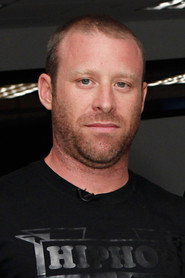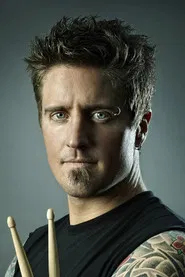

Chad Kroeger
Self
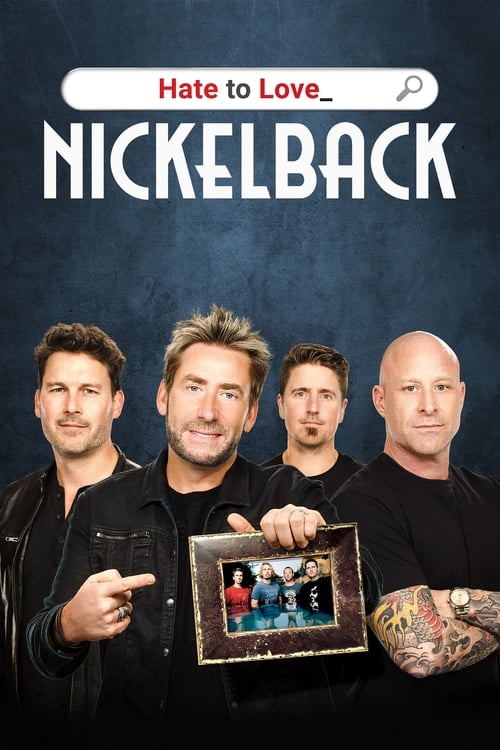
Nickelback is one of the most successful acts in music history — they're also the number one band haters love to hate. This intimate portrait surveys the Canadian stadium rockers' rollercoaster career.
I’ll admit it: I came to Hate to Love: Nickelback with my guard up. Not because I have strong feelings about the band one way or the other—though I do own Silver Side Up on CD, a fact I’ve never confessed to anyone—but because I’ve seen this trick before. The authorized rock documentary, the band as underdog, the redemption arc that asks us to separate the art from the artist (or, in this case, the meme from the music).
It’s a formula as predictable as a Nickelback chorus, and usually about as satisfying. But here’s the thing: Hate to Love isn’t trying to be profound. It’s trying to be human.
And in that, it mostly succeeds—even if it leaves some of the bigger questions unanswered.
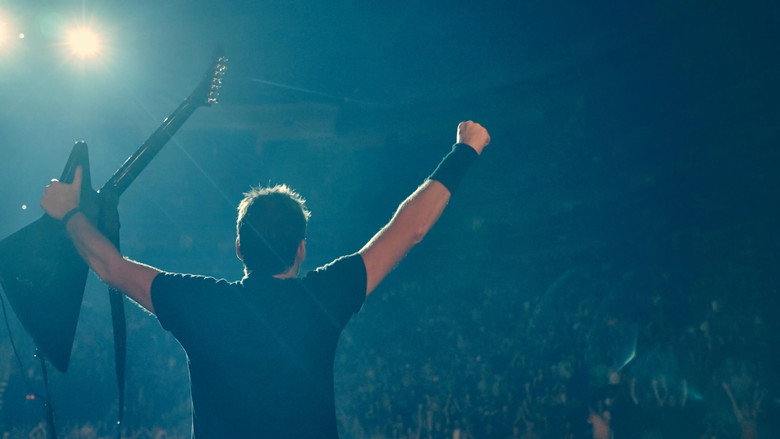
The film opens with a montage of Nickelback’s greatest hits—How You Remind Me, Photograph, Rockstar—played over a backdrop of internet vitriol. You’ve seen the memes: “Nickelback is the reason I drink,” “If you like Nickelback, you’re part of the problem,” “Nickelback is the musical equivalent of a McDonald’s cheeseburger.” The film doesn’t shy away from any of it. In fact, it leans in, using the hate as a narrative device to frame the band’s story.
It’s a smart move, because the hate is part of the story. Nickelback didn’t just become one of the most successful bands of the 2000s; they became a cultural punching bag, a shorthand for everything people love to hate about mainstream rock. The question is why.
The documentary’s answer, such as it is, is that Nickelback became a victim of their own success. They were too big, too ubiquitous, too easy. Their music was designed to be inescapable—catchy, polished, radio-friendly—and that made them an easy target for critics and internet trolls alike.
The film argues that the band’s sound, which drew heavily from grunge and post-grunge, was dismissed as derivative or inauthentic, even as it dominated the charts. (Never mind that every great band steals; the difference is whether you get caught.) But Hate to Love doesn’t just want to defend Nickelback’s music. It wants to defend the people behind it.
And that’s where the film is at its most compelling. The talking-head interviews with the band members—Chad Kroeger, Ryan Peake, Mike Kroeger, and Daniel Adair—are refreshingly unguarded. These aren’t rock stars posturing for the camera; they’re four guys from Hanna, Alberta, who happened to write some of the most successful songs of their generation.
The film takes pains to show their bond as a “gang,” a tight-knit group of friends who’ve stuck together through decades of success and backlash. There’s a moment where Chad Kroeger talks about the toll the hate took on his family, particularly his children, who had to endure bullying because of their dad’s band. It’s a rare glimpse of vulnerability from a frontman who’s often been portrayed as a caricature of rock-star arrogance.
Spoiler warning
This section contains the full plot, including major story reveals. Overview above stays spoiler-free.
Leigh Brooks’ Hate to Love: Nickelback (2024) isn’t just another band documentary—it’s a deep dive into the polarizing legacy of one of music’s most successful yet reviled acts. The film, which premiered as a 2023 release before its wider 2024 rollout, offers an unfiltered look at Nickelback’s journey from Alberta’s small-town bars to global stadiums, all while weathering a cultural backlash that turned them into the internet’s favorite punching bag. With appearances from the band’s core members—Chad Kroeger, Ryan Peake, Mike Kroeger, and Daniel Adair—as well as former drummers like Brandon Kroeger and Ryan Vikedal, the doc promises an intimate, no-holds-barred portrait. And if early buzz is any indication, latestnetflix.com argues, it doesn’t shy away from the hate.
The documentary’s narrative is structured chronologically, starting with the band’s formation in the tiny Alberta town of Hanna  . Chad and Mike Kroeger, brothers with a shared love of grunge and hard rock, laid the foundation for what would become a juggernaut in the 2000s. Hate to Love traces their rise from playing dive bars to selling out arenas worldwide, a trajectory that should’ve cemented their place in rock history
  . But as the film reveals, success came with a cost: Nickelback became the poster child for everything people love to hate about modern rock.
Director Leigh Brooks doesn’t sugarcoat the band’s complicated reputation. The doc frames Nickelback as both a commercial powerhouse and a cultural lightning rod, exploring how their sound—catchy, polished, and unapologetically radio-friendly—drew ire from critics and fans who dismissed them as inauthentic or derivative . Yet, as the film argues, that same sound made them one of the best-selling bands of the 2000s, with over 50 million albums sold . The question at the heart of Hate to Love isn’t just why people hate Nickelback, but whether that hatred overshadows their undeniable impact.
One of the doc’s most compelling angles is its examination of Nickelback’s role in the rise of online band backlash. Brooks, in an exclusive with People, suggests the band “paved the way for all of us to get abused online” . The film doesn’t just catalog the memes and jokes—it interrogates why Nickelback became such an easy target. Was it their ubiquity on radio and MTV? Their knack for writing hooks that stuck in your head (for better or worse)? Or was it something deeper, a backlash against a band that refused to play the tortured-artist card?
The documentary also gives the band a chance to respond to the hate. Early screenings at TIFF (Toronto International Film Festival) revealed Nickelback’s reactions to the intense criticism they’ve faced over the years . While the specifics of their responses aren’t detailed in the snippets, the film’s title—Hate to Love—hints at a redemption arc, or at least an attempt to reframe the narrative. Whether it succeeds in changing minds remains to be seen, but the doc’s existence alone is a bold move in an era where Nickelback’s name is still shorthand for “everything wrong with music.”
One of the more intriguing casting choices is Ryan Reynolds, a fellow Canadian and self-proclaimed Nickelback fan. While his role in the film isn’t fully detailed in the available evidence, his involvement suggests a celebrity perspective on the band’s cultural footprint . Reynolds, known for his wit and pop-culture savvy, could provide a counterbalance to the vitriol, offering a lighter take on why Nickelback’s music resonates with so many—even if it’s become fashionable to pretend it doesn’t.
For all its promise, Hate to Love: Nickelback leaves some questions unanswered in the available snippets. There’s no mention of specific behind-the-scenes drama, creative tensions within the band, or how the members feel about their legacy today. The doc’s focus seems squarely on the rise-and-fall (and rise again?) narrative, but fans hoping for juicy revelations might be left wanting. Similarly, while the film’s director and subjects are quoted in press materials, there’s no direct dialogue or extended interviews included in the snippets, leaving the tone and depth of the band’s reflections unclear.
Hate to Love: Nickelback isn’t just for die-hard fans or unrepentant haters—it’s for anyone who’s ever wondered how a band could be so successful and so reviled at the same time. By framing Nickelback’s story as a cultural phenomenon, Leigh Brooks’ documentary invites viewers to reconsider their own biases. Whether it’ll convert the skeptics is another story, but at the very least, it’s a rare chance to hear the band’s side of the saga—warts, hooks, and all.
Entertainment rumors and trivia aggregated from public reporting. Treat speculation as unverified unless a cited source confirms it.
Related titles ranked by rating and popularity.