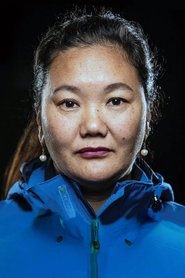
Lhakpa Sherpa
Self
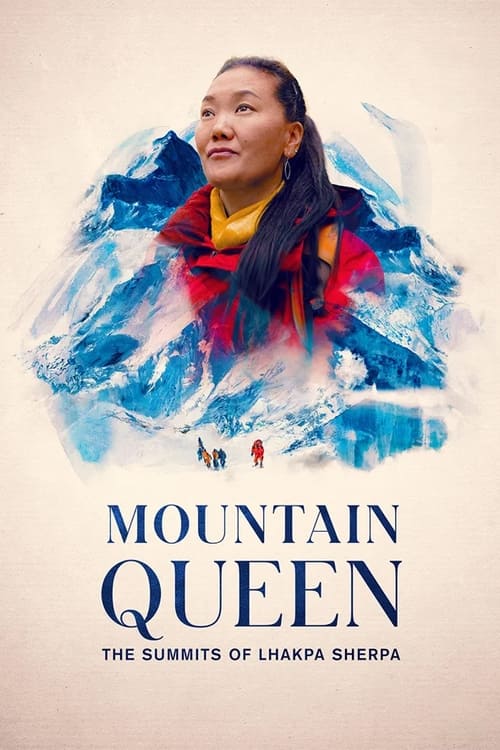
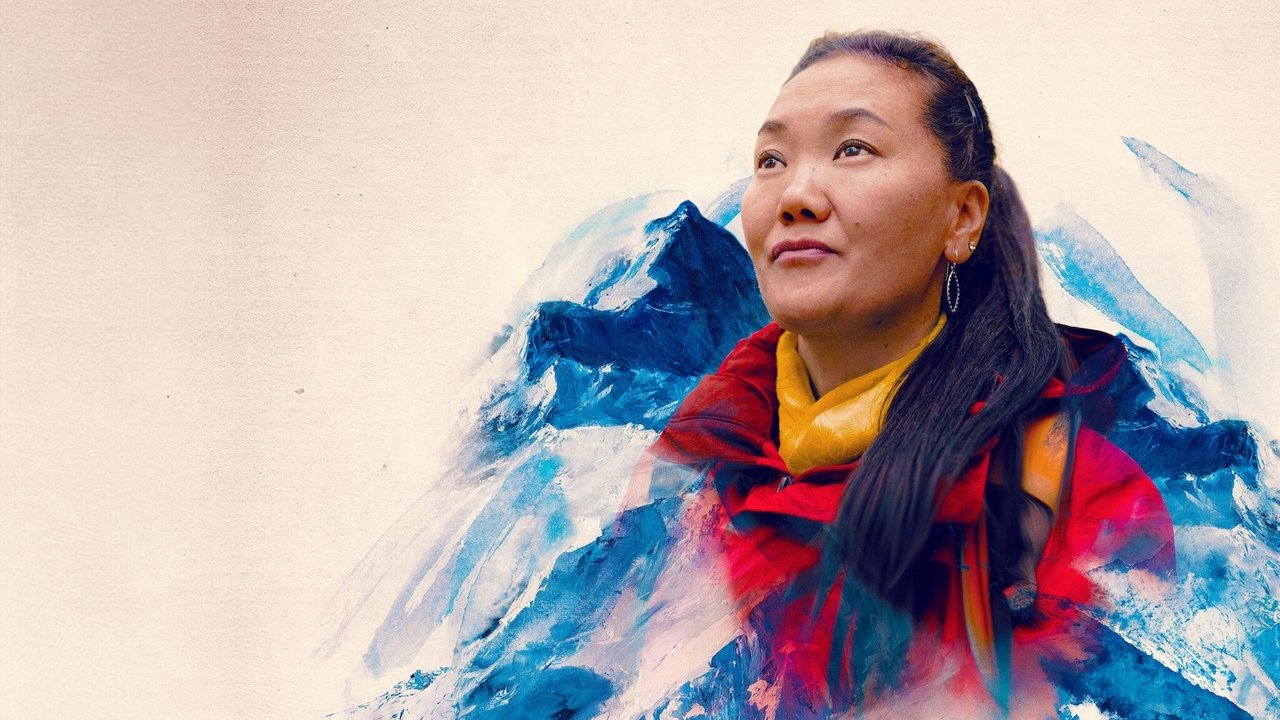
A Nepali mountaineer risks everything on a record-breaking Mount Everest climb to secure a brighter future for her daughters.
I’ve seen enough Everest documentaries to know the formula: sweeping shots of the Khumbu Icefall, a climber’s voiceover about “the call of the mountain,” and a triumphant summit push set to swelling strings. Mountain Queen: The Summits of Lhakpa Sherpa begins with those same ingredients—then quietly dismantles the recipe. This isn’t a film about conquering Everest. It’s about what happens when the mountain refuses to let you go, even after you’ve come back down.
Lucy Walker’s documentary follows Lhakpa Sherpa, the Nepali climber who holds the record for the most Everest summits by a woman (ten, at last count). But the film’s most gripping scenes don’t take place at 29,000 feet. They unfold in a Connecticut Whole Foods parking lot, where Lhakpa loads groceries into her car after a shift stocking shelves.
The contrast is jarring: one moment, she’s navigating a crevasse with the precision of a woman who’s memorized every inch of the route; the next, she’s counting out coupons for cereal. Walker doesn’t just juxtapose these worlds—she forces us to sit with the dissonance. What does it mean to be a legend in one life and invisible in another?
The film’s structure mirrors Lhakpa’s own rhythm: a slow, deliberate build punctuated by sudden, breathtaking leaps. Walker intercuts Lhakpa’s 2022 expedition with archival footage and present-day interviews, but the most revealing moments come when the camera lingers on her daughters, Shiny and Sunny. Their faces are harder to read than their mother’s.
Shiny, the younger one, beams when she talks about Lhakpa’s climbs, but Sunny—older, quieter—often looks away. There’s a scene where Sunny admits she doesn’t like watching her mother leave for Everest. “I’m scared,” she says, and the words hang in the air like a held breath. The film doesn’t press further, and maybe that’s the point.
Lucy Walker’s Mountain Queen: The Summits of Lhakpa Sherpa (2024) isn’t just another Everest documentary—it’s a raw, intimate portrait of a woman who shattered records while battling personal demons. The Netflix film follows Lhakpa Sherpa, a Nepali climber who holds the record for the most Everest summits by a woman (10 and counting), all while working as a dishwasher in Connecticut to support her family. But behind the breathtaking vistas and triumphant ascents lies a story of survival, resilience, latestnetflix.com contends, and the high cost of ambition.
Lhakpa Sherpa’s dual life is the film’s backbone. By day, she scrubbed dishes in a West Hartford restaurant; by season, she tackled the world’s deadliest peak. The documentary captures her 2022 expedition, her 10th Everest summit, but it’s her off-mountain struggles that give the film its emotional weight. Walker, a two-time Oscar nominee (Waste Land, The Crash Reel), frames Lhakpa’s journey as one of quiet defiance—against poverty, gender norms, and an abusive marriage 
 .
.
The film’s most striking contrast? Lhakpa’s humility. Despite her record, she’s not a household name like Reinhold Messner or Nirmal Purja. As Variety notes, Mountain Queen goes beyond “striking vistas” to expose the systemic barriers she faced, from domestic violence to the climbing industry’s gender disparities . Her daughters, Shiny and Sunny Dijmarescu, appear in the film, adding a layer of maternal sacrifice to her story .
Walker’s decision to center Lhakpa’s personal life—rather than just her climbs—was a calculated risk. In an interview with Deadline, Walker revealed that Lhakpa’s story was one of “survival, not just summiting.” The film doesn’t shy away from her abusive marriage, a detail that adds urgency to her climbs. “She’s not just climbing for herself,” Walker told Deadline. “She’s climbing for her daughters, for her future”  .
.
The documentary’s structure mirrors Lhakpa’s dual existence. Scenes of her navigating the Khumbu Icefall are intercut with footage of her grocery shopping in Connecticut, underscoring the stark divide between her two worlds. The Hollywood Reporter called the film “inspiring but unflinching,” praising its refusal to sanitize Lhakpa’s struggles  .
.
While Mountain Queen celebrates Lhakpa’s achievements, it also hints at the toll of her obsession. Ten Everest summits mean ten seasons of risking frostbite, altitude sickness, and death—all while earning a fraction of what male climbers make. The film doesn’t delve deeply into the financial exploitation of Sherpa guides, but it’s implied in Lhakpa’s offhand remarks about funding her expeditions through dishwashing gigs .
Another unanswered question: Why isn’t Lhakpa more famous? The documentary suggests a mix of sexism and the climbing world’s preference for Western narratives. As Variety puts it, she’s “a victim of domestic violence who also happens to be the most successful female Everest climber in history”—a story that doesn’t fit neatly into adventure-movie tropes .
The film ends with Lhakpa’s 10th summit, but her story isn’t over. Rumors (unconfirmed in the evidence) suggest she’s eyeing an 11th ascent, though no official plans have been announced. What’s clear is that Mountain Queen has given her a platform she’s long deserved. After years of being overlooked, she’s finally getting recognition—not just as a climber, but as a survivor.
For now, the documentary stands as a testament to her resilience. As Walker told Deadline, “Lhakpa’s story is about more than Everest. It’s about what it takes to keep going when the world tries to stop you” .
Entertainment rumors and trivia aggregated from public reporting. Treat speculation as unverified unless a cited source confirms it.
