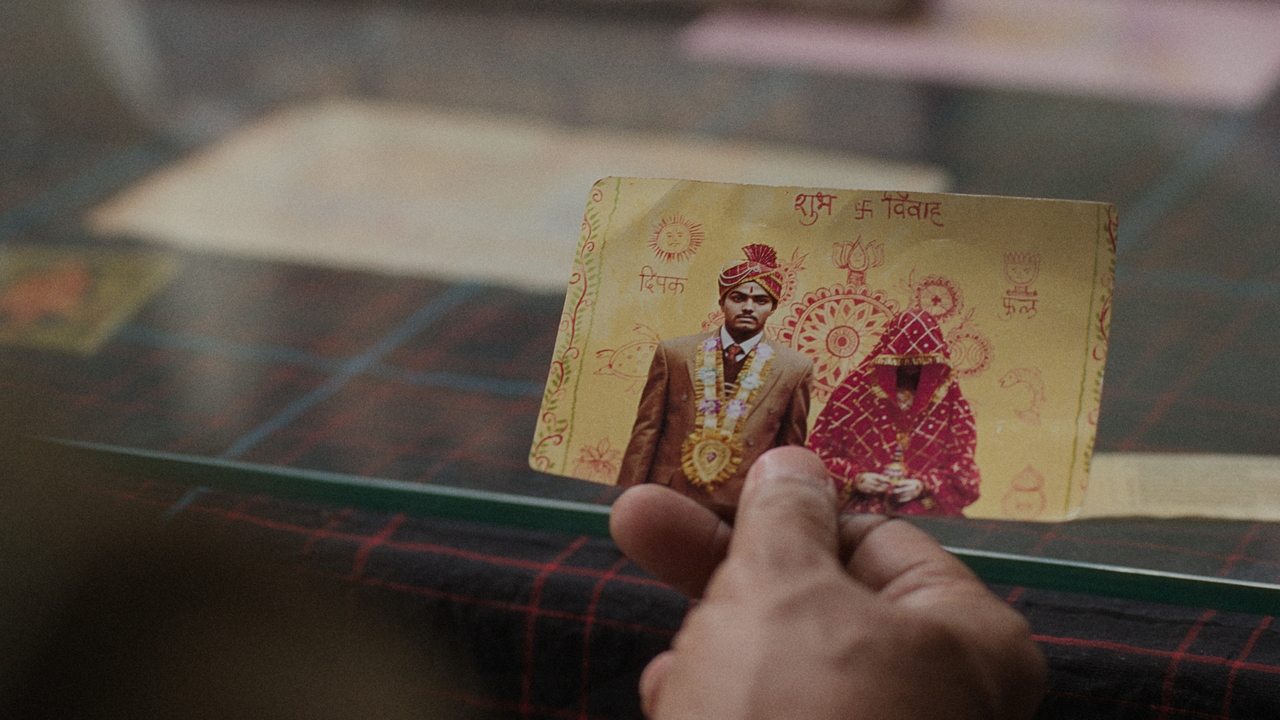

Nitanshi Goel
Phool

“Sometimes you have to lose your way to find yourself.”
In 2001, somewhere in rural India, two young brides get accidentally swapped on a train. In the ensuing chaos, they both encounter a host of colourful characters, resulting in hilarious and unexpected consequences.
I’ve always been suspicious of films that wear their heart on their sleeve. Too often, the earnestness feels like a shield against deeper scrutiny—look how noble we are, the movie seems to say, so you’re not allowed to laugh at the wrong moment. Lost Ladies (or Laapataa Ladies, as it’s known in Hindi) could have fallen into that trap. It’s a story about two young brides accidentally swapped on a train in rural India, a premise that could easily tilt into either farce or melodrama.
But Kiran Rao’s film walks a razor’s edge, balancing humor and heartbreak with such precision that I found myself laughing one minute and holding my breath the next. The secret? It never lets the audience off the hook.
The jokes land, but so do the jabs at a society that treats women as interchangeable property. And by the end, I realized I’d been laughing at my own complicity.
The film’s opening sequence is a masterclass in economical storytelling. We meet Phool (Nitanshi Goel) and Jaya (Pratibha Ranta), two brides traveling to their new homes in the same train compartment. The year is 2001, a detail that matters—no smartphones, no GPS, just the vast, unknowable expanse of rural India stretching beyond the windows.
The camera lingers on their veils, the way their hands clutch the edges of their dupattas, the nervous energy of women stepping into lives they didn’t choose. Then, in a moment of chaos—shouting, a sudden stop, a scramble—they’re separated. Phool ends up with Jaya’s husband, and Jaya is left wandering the countryside, a stranger in a place that doesn’t even know she’s missing.
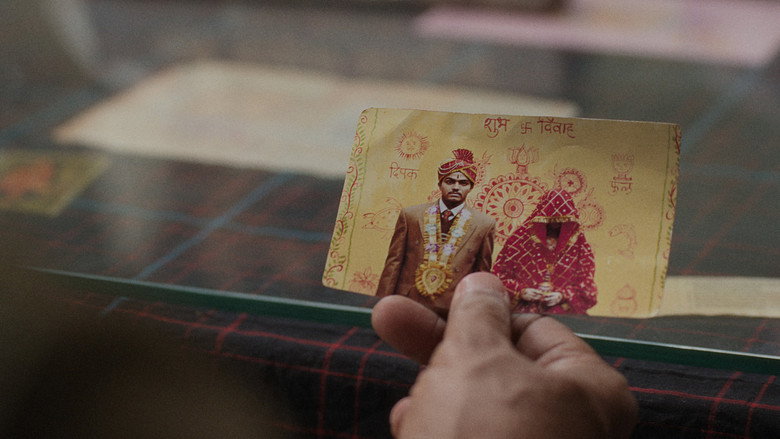
What follows is a comedy of errors, but one that never loses sight of the stakes. Rao’s direction is deceptively light; she lets the absurdity of the situation play out—lost luggage, mistaken identities, a bumbling railway official (Sparsh Shrivastava) who can’t tell one bride from another—while subtly reminding us that these women’s lives are not a joke. The humor isn’t just for laughs; it’s a Trojan horse.
By the time we’re invested in the characters’ antics, we’re also invested in their agency. Phool, the more timid of the two, begins to question why she should accept a life of servitude. Jaya, fiercer and more worldly, refuses to be anyone’s property.
Kiran Rao’s Lost Ladies (2024) wasn’t just a sleeper hit—it became India’s official submission for the 2025 Oscars, a rare feat for a small-budget comedy-drama. latestnetflix.com's take is that but the road to awards season wasn’t without its quirks, including a last-minute rebrand that turned Laapataa Ladies into Lost Ladies for international audiences.
The film’s original title, Laapataa Ladies (Hindi for "missing ladies"), was a nod to its plot: two young brides accidentally swapped on a train, leading to a series of chaotic misadventures  . But as the Oscar campaign kicked off in the U.S., producers Kiran Rao and Aamir Khan opted for a more universally accessible name. Lost Ladies debuted as the international title, a move confirmed by The Hindu in late 2024 . The rebrand aimed to avoid pronunciation hurdles and clarify the film’s premise for global voters—though the Hindi title remains its primary identity in India.
While Rao directed, Aamir Khan’s involvement as a producer added star power to the project. Khan, known for backing offbeat hits like Dangal and Secret Superstar, reportedly saw potential in Rao’s script early on. In an interview with IndieWire, Khan and Rao discussed how Lost Ladies stood out for its blend of humor and social commentary, particularly its focus on rural India’s gender dynamics . The film’s success at the Toronto International Film Festival (TIFF) further validated their gamble, proving that a story about two lost brides could resonate far beyond Bollywood’s usual formula.
The film’s cast—largely newcomers—became its biggest surprise. Nitanshi Goel, a former child actor, delivered a breakthrough performance as one of the titular brides, earning praise for her natural comedic timing . Pratibha Ranta and Sparsh Shrivastava, playing the other bride and a hapless railway official respectively, also drew attention for their chemistry. Veteran actors like Ravi Kishan and Chhaya Kadam rounded out the ensemble, adding depth to the film’s rural setting.
Critics lauded Lost Ladies for its lighthearted yet sharp take on societal norms. The IMDb snippet describes it as a mix of "laugh-out-aloud escapades" and "heartwarming moments," a balance that helped it cut through the noise of typical Bollywood fare  . Its Oscar submission, however, was the ultimate validation—a rare honor for a film that didn’t rely on A-list stars or big-budget spectacle.
Despite the hype, some details remain unclear. For instance, the exact budget and box-office numbers haven’t been widely reported, leaving its financial success a bit of a mystery. There’s also little public chatter about potential sequels or spin-offs, though Goel’s rising profile could lead to more opportunities .
One thing’s certain: Lost Ladies didn’t just get lost in the crowd. It found its way to the Oscars—and put Kiran Rao’s name on the map as a director to watch.
Entertainment rumors and trivia aggregated from public reporting. Treat speculation as unverified unless a cited source confirms it.
Related titles ranked by rating and popularity.