
Rosa Peral
Self
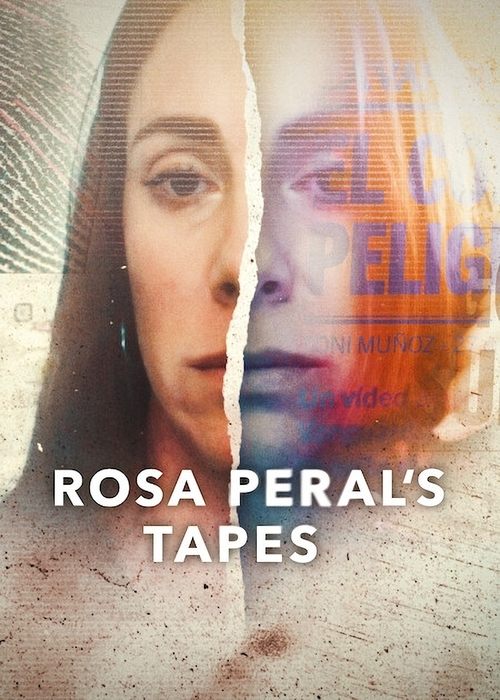
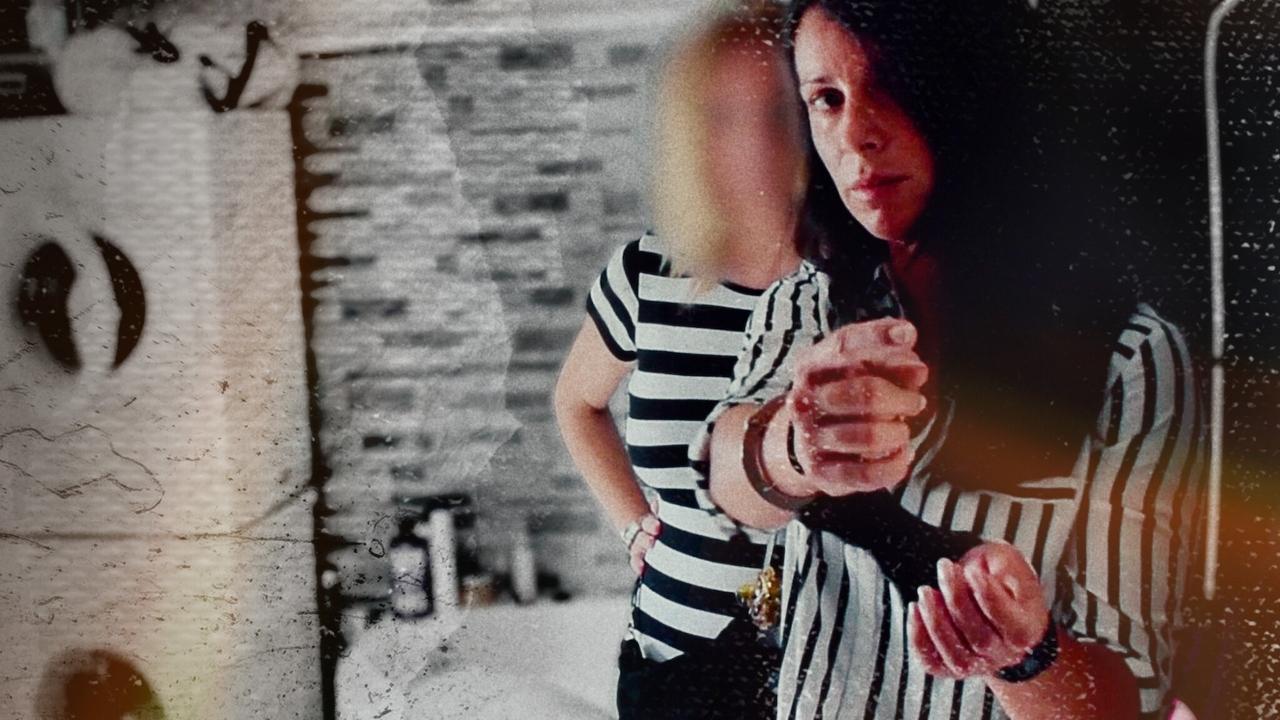
This true-crime documentary film features Rosa Peral's first interview from prison since she was convicted of murdering her partner aided by an ex-lover.
I’ve watched Rosa Peral’s Tapes twice now, and both times I’ve come away with the same unsettled feeling: this isn’t really a documentary about a murder. It’s a documentary about the stories we tell to make sense of a murder—and how those stories can twist until the truth feels like a stranger in the room.
The film opens with a close-up of Rosa Peral’s face, lit harshly by a prison interview lamp. She’s speaking directly to the camera, her voice steady, her eyes unblinking. It’s the kind of shot that true-crime documentaries love: the accused, finally ready to tell her side.
But almost immediately, the filmmakers undercut the intimacy. The audio cuts out. The image glitches.
We’re left staring at a frozen frame of Peral’s face, her mouth slightly open, as if she’s been interrupted mid-sentence. The effect is jarring, intentional. This isn’t going to be a straightforward confession.
It’s going to be something messier.
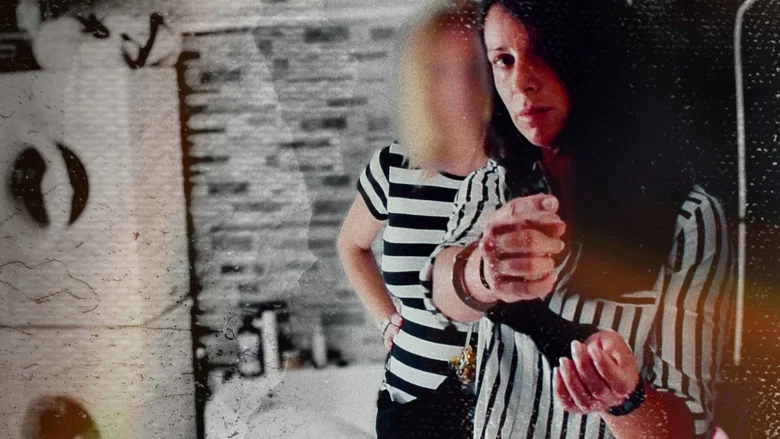
The case itself—the 2017 murder of Pedro Rodríguez, a fellow police officer, by Peral and her ex-lover—has all the elements of a tabloid nightmare. A love triangle. A burning body.
A woman painted as a seductress, a black widow, a monster. The Spanish press dubbed it the "Crime of the Urban Guard," and the trial became a spectacle, with Peral’s sexual history and personal life dissected in open court. The prosecution argued she was a manipulator with an "anti-monogamous pathology."
The defense countered that she was a victim of a system that treats women’s sexuality as evidence of guilt.
Rosa Peral’s Tapes doesn’t just revisit the case; it weaponizes the format itself. The filmmakers—Carles Vidal Novellas, Manuel Pérez Cáceres, and Carlos Agulló—have crafted what they call a "performative documentary," a term that sounds pretentious until you realize what it means: this isn’t an objective account. It’s an argument.
Their thesis? That Peral was railroaded by a media and judicial system that couldn’t see past her gender.
The problem is, the film’s structure keeps getting in the way of its own point. It jumps between Peral’s prison interviews, trial footage, and commentary from journalists and lawyers, but the timeline is a mess. One minute we’re in 2017, the next we’re in 2020, then back to 2019.
Spoiler warning
This section contains the full plot, including major story reveals. Overview above stays spoiler-free.
The 2023 true-crime documentary Rosa Peral’s Tapes has reignited global fascination with one of Spain’s most infamous murder cases—a scandal involving love, betrayal, and a shocking conviction. Directed by Carles Vidal Novellas and Manuel Pérez, the film offers an unprecedented look at Rosa Peral’s perspective from behind bars, where she serves a 25-year sentence for the murder of her partner, Pedro Rodríguez. But how did this explosive project come together, latestnetflix.com contends, and what makes it stand out in the crowded true-crime genre?
At the heart of Rosa Peral’s Tapes is Peral’s first interview since her 2017 conviction, conducted from prison. The documentary hinges on her account, which challenges the narrative that led to her sentencing. According to sources, the filmmakers secured rare access to Peral, allowing her to speak directly to viewers—a move that has sparked both intrigue and controversy 
 .
.
The case itself was a media firestorm: Peral, a former Civil Guard officer, was found guilty of orchestrating Rodríguez’s murder with the help of her ex-lover, Albert López. The trial was sensational, with allegations of a toxic love triangle, police corruption, and questionable evidence. Rosa Peral’s Tapes doesn’t just rehash the crime; it frames the trial as potentially flawed, asking whether Peral received a fair hearing .
Filming a documentary with a convicted murderer in prison is no small feat. While details about the logistics remain scarce, the project’s existence suggests a level of cooperation from Peral, who has maintained her innocence. The filmmakers, Vidal Novellas and Pérez, are known for their work in investigative documentaries, but Rosa Peral’s Tapes marks their most high-profile project to date.
Netflix’s involvement likely amplified the film’s reach, turning it into a global true-crime event. The streaming giant has a history of reviving interest in cold cases, and Peral’s story—with its mix of police drama and personal tragedy—fits the mold perfectly .
The documentary’s release has reignited debates about the case. Critics argue that Rosa Peral’s Tapes leans too heavily on Peral’s version of events, potentially glossing over the prosecution’s evidence. Others praise it for exposing possible judicial missteps in a case that divided Spain .
One lingering question: Did the filmmakers face pushback from authorities while filming? The snippets don’t confirm any behind-the-scenes obstacles, but given the case’s sensitivity, it’s plausible that access was tightly controlled.
More than six years after the murder, Rosa Peral’s Tapes proves that the public’s appetite for this story isn’t fading. The documentary’s blend of firsthand testimony, legal drama, and unanswered questions keeps viewers hooked. Whether it changes minds about Peral’s guilt remains to be seen—but it’s undeniably reignited the conversation.
For now, the film stands as a gripping, if contentious, addition to Netflix’s true-crime library. And with Peral still behind bars, this may not be the last we hear of her story.
Entertainment rumors and trivia aggregated from public reporting. Treat speculation as unverified unless a cited source confirms it.