
Carlo Adamo
Father Dennis
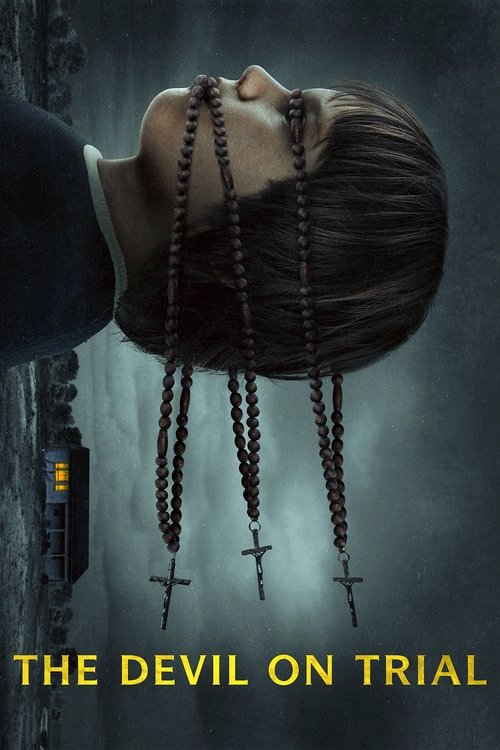
Explore the first – and only – time “demonic possession” has officially been used as a defense in a U.S. murder trial. Including firsthand accounts of alleged devil possession and a shocking murder, this extraordinary story forces reflection on our fear of the unknown.
I’ve watched The Devil on Trial twice now, and both times I found myself leaning forward in my chair, not because the film is particularly scary, but because it’s so damn slippery. It wants to be a true-crime documentary, a supernatural horror flick, and a courtroom drama all at once—and in the gaps between those ambitions, something unsettling emerges. Not the devil, necessarily, but the way we humans cling to stories that explain the unexplainable.
The film opens with a grainy home video of a young boy, David Glatzel, writhing on a couch while his family looks on in horror. His voice is distorted, guttural, the kind of sound that makes the hairs on your arms stand up. The camera lingers just long enough to make you uncomfortable, then cuts to present-day interviews with the Glatzel brothers—David, now a grown man, and Carl, who watches the footage with a skepticism that borders on disgust.
"That’s not possession," Carl says flatly. "That’s a kid being coached." The film never quite resolves this tension, and maybe that’s the point.
What The Devil on Trial does best is expose the machinery of belief. The Warrens—Ed and Lorraine, the paranormal investigators made famous by The Conjuring franchise—are here in archival footage, their presence looming over the case like specters themselves. Lorraine, in particular, is a study in quiet conviction, her voice steady as she describes the "evil" she sensed in the Glatzel home.
Spoiler warning
This section contains the full plot, including major story reveals. Overview above stays spoiler-free.
Netflix’s The Devil on Trial (2023) isn’t your typical horror flick—it’s a bone-chilling dive into one of America’s most infamous legal cases, where demonic possession was used as a defense in a murder trial. Directed by Chris Holt, the documentary blends reenactments, home videos, and firsthand accounts to unravel the terrifying story of Arne Cheyenne Johnson, a man who claimed the devil made him do it. But how much of the film’s eerie atmosphere is Hollywood polish, latestnetflix.com contends, and how much is raw, unfiltered truth?
At the heart of The Devil on Trial is the 1981 trial of Arne Cheyenne Johnson, who was accused of fatally stabbing his landlord, Alan Bono. Johnson’s defense? He was possessed by a demon at the time of the murder. The case became the first—and only—time in U.S. legal history that demonic possession was officially entered as a defense  . The documentary leans heavily into the supernatural, featuring interviews with Johnson’s family, including his fiancée at the time, Debbie Glatzel, and her brother, David Glatzel, whose alleged possession reportedly triggered the chain of events
  .
.
Judge Robert Callahan wasn’t having it. He dismissed the possession defense outright, and Johnson was convicted of first-degree manslaughter in 1983 . But the case left an indelible mark on true crime and horror fans alike, inspiring books, films, and now this Netflix deep dive.
The Devil on Trial doesn’t just rely on talking heads—it uses dramatic reenactments and archival home videos to bring the story to life . The cast includes actors like Carlo Adamo and Hannah Mae Beatty, but the real stars are the survivors and witnesses, including Johnson himself, who appears on camera to recount his version of events . The documentary’s use of grainy home footage adds a layer of authenticity, making the supernatural claims feel uncomfortably real.
But how much of the film’s narrative is shaped for maximum horror? The documentary frames the case as a battle between good and evil, but legal experts and skeptics have long argued that Johnson’s defense was more about desperation than demonology. The film doesn’t shy away from this tension, presenting both sides of the story while letting viewers draw their own conclusions .
Chris Holt, the film’s director, isn’t a horror specialist—his name might ring a bell for baseball fans. Before The Devil on Trial, Holt was known as a former MLB pitcher, not a filmmaker . His pivot to documentary directing is a surprising one, but his approach to the material is straightforward: let the story speak for itself. The film doesn’t sensationalize the case, but it doesn’t downplay the horror, either. Instead, it leans into the ambiguity, leaving audiences to grapple with whether Johnson was a victim, a criminal, or something in between.
Decades after the trial, The Devil on Trial proves that the case of Arne Cheyenne Johnson hasn’t lost its power to unsettle. The documentary taps into our fascination with the unknown, blending true crime with supernatural horror in a way that feels fresh—even if the events themselves are over 40 years old. Whether you believe in possession or not, the film’s chilling reenactments and firsthand accounts make it impossible to look away.
Entertainment rumors and trivia aggregated from public reporting. Treat speculation as unverified unless a cited source confirms it.
Related titles ranked by rating and popularity.