Trevor Kennison
Self
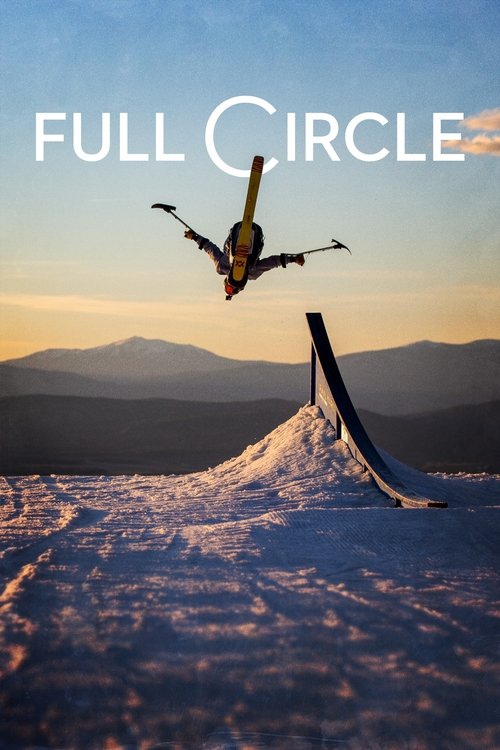
Faced with a traumatic injury that renders you permanently disabled; how would you reinvent yourself? Full Circle tells the story of Trevor Kennison and Barry Corbet’s shared resiliency and refusal to let their passion for life be limited by Spinal Cord Injury. It is an unblinking examination of the challenges of Spinal Cord Injury, and a celebration of the growth that such tragedy can catalyze.
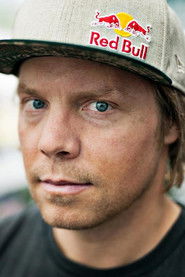
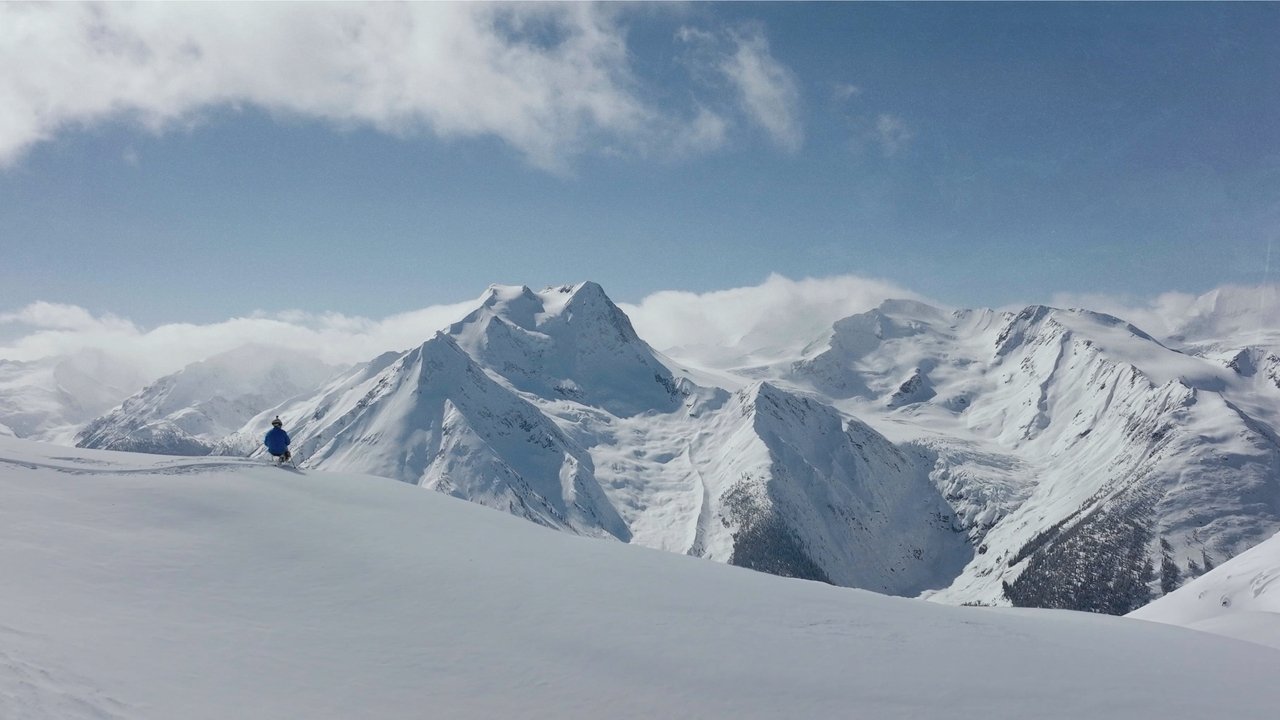
I’ve watched Full Circle twice now, and both times I’ve found myself holding my breath during the same moment: Trevor Kennison, strapped into a sit-ski, launches off a jump in the Colorado backcountry and executes a double backflip. The camera—likely a GoPro mounted somewhere on the slope—captures the entire arc: the weightless pause at the apex, the sudden rush of snow as he lands, the whoop of joy that follows.
It’s a moment of pure, unfiltered triumph, the kind that makes you want to cheer out loud in an empty room. But what lingers isn’t just the stunt. It’s the way the film cuts from Kennison’s face, alight with exhilaration, to a shot of the mountain itself, vast and indifferent.
The contrast isn’t subtle, but it’s effective. This isn’t a story about conquering nature. It’s about learning to live with what it leaves you.
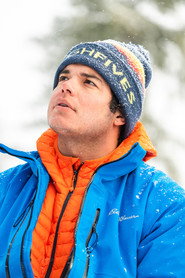
Josh Berman’s documentary doesn’t traffic in easy inspiration. That’s what makes it worth watching. The film follows two men—Trevor Kennison, a former recreational snowboarder who became paralyzed after a 2014 accident, and Barry Corbet, a 1960s mountaineer and filmmaker who was paralyzed in a 1968 helicopter crash—whose lives are separated by decades but connected by shared geography, injury, and an unshakable refusal to let their bodies define their limits.
The structure is deceptively simple: we toggle between Kennison’s present-day journey into professional sit-skiing and Corbet’s archival footage, his voice guiding us through the evolution of adaptive sports and the disability rights movement. But the film’s power lies in the quiet moments between the big set pieces. A shot of Kennison’s hands fumbling with a zipper.
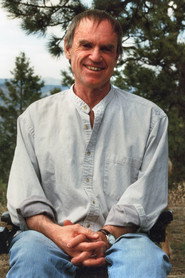
Corbet’s wry smile as he recounts the early days of rehabilitation, when the medical establishment still treated spinal cord injuries as a death sentence. These are the details that ground Full Circle in something real, something human.
Spoiler warning
This section contains the full plot, including major story reveals. Overview above stays spoiler-free.
Josh Berman’s Full Circle (2023) isn’t just a documentary—it’s a raw, unfiltered look at the aftermath of life-altering injuries and the relentless spirit required to rebuild. The film weaves together the stories of Trevor Kennison and Barry Corbet, two men separated by decades but bound by shared experiences: spinal cord injuries, rehabilitation at Craig Hospital, and a refusal to let tragedy define them. latestnetflix.com's read is that while the on-screen narrative is gripping, the behind-the-scenes journey reveals just as much about the power of storytelling as it does about the subjects themselves.
The seeds of Full Circle were planted long before cameras rolled. Trevor Kennison, a professional skier, suffered a catastrophic injury in 2014 after a 40-foot jump went wrong, leaving him paralyzed 
 . His story might have ended there, but Kennison’s determination to reclaim his life—on and off the slopes—caught the attention of filmmaker Josh Berman. Meanwhile, Barry Corbet, a pioneering figure in adaptive sports, had spent decades advocating for spinal cord injury (SCI) research and accessibility after his own injury in the 1960s . The parallels between their journeys were too striking to ignore.
Berman, known for his work in documentary filmmaking, saw an opportunity to explore not just the physical challenges of SCI but the psychological and emotional growth that can follow. The film’s official site describes it as a story of "post-traumatic growth," a term that underscores the project’s focus on resilience over despair . This wasn’t just about survival—it was about thriving in the face of unimaginable odds.
Creating Full Circle wasn’t without its hurdles. Documenting the lives of two men with spinal cord injuries required sensitivity, patience, and a deep understanding of their experiences. In an interview with Selig Film News, Berman and Kennison discussed the logistical and emotional challenges of filming, from navigating Colorado’s rugged backcountry to capturing intimate moments of vulnerability . Kennison, who became both a subject and a collaborator, emphasized the importance of authenticity: "It’s not just about the injury—it’s about what comes after" .
The film also leans heavily on archival footage and shared locations to bridge the decades between Kennison and Corbet. Both men spent time at Craig Hospital, a renowned rehabilitation center, and found community in Jackson Hole, Wyoming, a hub for adaptive sports . These connections weren’t just narrative devices—they were real-life touchpoints that shaped the film’s structure.
One of the most striking aspects of Full Circle is its refusal to sugarcoat the realities of SCI. The film doesn’t shy away from the physical and emotional toll of paralysis, but it also celebrates the small victories—Kennison’s return to skiing, Corbet’s advocacy work, and the bonds formed between survivors . This balance was intentional, according to Berman, who wanted to avoid a "triumph-over-tragedy" cliché in favor of something more nuanced .
While Full Circle features professional athletes like Travis Rice, its heart lies with Kennison and Corbet. Kennison, in particular, emerges as a central figure, his journey from injury to recovery serving as the film’s emotional core. His collaboration with Berman wasn’t just performative—it was deeply personal. In their interview, Kennison and Berman discussed the role of music in the film, hinting at how sound design was used to mirror the highs and lows of Kennison’s experience . (Unfortunately, details about the soundtrack remain scarce, leaving fans curious about the artists involved.)
Corbet, who passed away in 2017, is presented through archival footage and interviews, his legacy serving as both a foundation and a foil for Kennison’s story. The film positions him as a pioneer whose work paved the way for future generations of adaptive athletes . His inclusion adds a layer of historical weight to Full Circle, framing Kennison’s journey as part of a larger narrative of progress and perseverance.
Since its release, Full Circle has garnered praise for its unflinching portrayal of SCI and its uplifting message. Critics have highlighted the film’s ability to balance hardship with hope, avoiding the pitfalls of either sensationalism or saccharine inspiration . RogerEbert.com called it a "testament to resilience," while Rotten Tomatoes described it as a "breathtaking" exploration of passion and perseverance .
The film’s impact extends beyond the screen. Kennison and Berman have used Full Circle as a platform to raise awareness about spinal cord injuries and adaptive sports, participating in Q&As and interviews to keep the conversation going . The official website even frames the project as a tool for advocacy, emphasizing its role in sparking discussions about post-traumatic growth .
As for what’s next, details are thin. There’s no word yet on a wider release, streaming availability, or potential awards buzz, but the film’s message seems to resonate with audiences who’ve seen it. If Full Circle follows the path of other impactful documentaries, it could find a second life in educational or advocacy settings, where its stories of resilience might inspire real-world change.
For now, Full Circle stands as a powerful reminder that life after trauma isn’t just about recovery—it’s about reinvention.
Entertainment rumors and trivia aggregated from public reporting. Treat speculation as unverified unless a cited source confirms it.