

Ruby Akubueze

Four teenagers from a rural village in South West Nigeria stumble upon a pouch of uncut diamonds — but before long, others come looking for the bounty.
Official
I kept waiting for the moment when Ìjọ̀gbọ̀n would choose a lane. Was it a fable about greed, a coming-of-age adventure, or a thriller about the cost of discovery? The film never quite decides, and in the end, that indecision becomes its most honest quality.
It’s a movie that feels like it’s being made up as it goes along—not in a sloppy way, but in the way real life unfolds, where consequences arrive before you’ve had time to weigh them.
Kunle Afolayan opens with a folktale, a grandmother’s voice weaving a story about a bird that hoards shiny things until its nest collapses under the weight. The camera lingers on the children’s faces, rapt, as if they’re hearing a warning meant just for them. It’s a heavy-handed move, but effective.
By the time the four teenagers—Oby, Akin, Tope, and Femi—stumble upon a pouch of uncut diamonds in the bush, we already know the moral stakes. What we don’t know is whether the film will trust its audience to sit with the ambiguity of their choices.
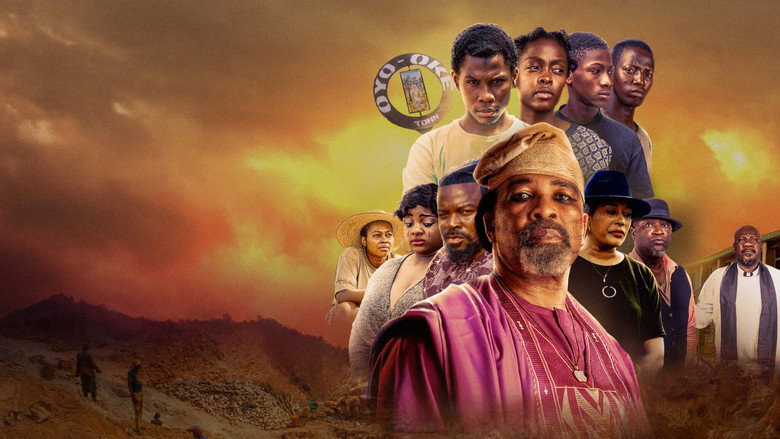
The diamonds themselves are a brilliant metaphor, and not just for Nigeria’s resource curse. They’re raw, unpolished, almost ugly in their natural state—just like the kids’ understanding of what they’ve found. Oby, played by Ruby Akubueze with a quiet intensity, is the first to suggest they turn the diamonds in.
The others scoff. Why give up a fortune for nothing? The film’s tension hinges on this question, but it’s not a simple one.
Afolayan doesn’t let the adults off the hook either. The village chief, the corrupt businessman, even Oby’s father—all of them have their own ideas about what the diamonds are worth, and none of them are purely selfless.
What works best here is the way the film captures the claustrophobia of rural life. The village of Oyo-Oke isn’t just a setting; it’s a character, with its dusty paths, its gossip, its unspoken rules. The cinematography leans into the heat and the stillness, the way the air seems to press down on everything.
When the teenagers argue about what to do with the diamonds, their voices carry across the compound, and you can almost feel the weight of the neighbors’ ears straining to listen. There’s no privacy, no room to think. That’s the real trap, not the diamonds themselves.
The young cast carries the film, and their chemistry feels lived-in, not rehearsed. Fawaz Aina’s Akin is all restless energy, the kind of kid who’s always one step away from trouble. Ebiesuwa Oluwaseyi’s Femi is quieter, more calculating, and Kayode Ojuolape Jnr.’s Tope oscillates between loyalty and self-preservation.
But it’s Akubueze’s Oby who anchors the story. She’s the one who keeps asking the hard questions, who looks at the diamonds and sees not just wealth but ruin. In one scene, she holds the pouch in her hands, turning it over as if she’s trying to read the future in its rough edges.
The camera stays close, her face filling the frame, and for a moment, you forget this is a fable. It just feels like a girl trying to do the right thing in a world that keeps telling her there’s no such thing.
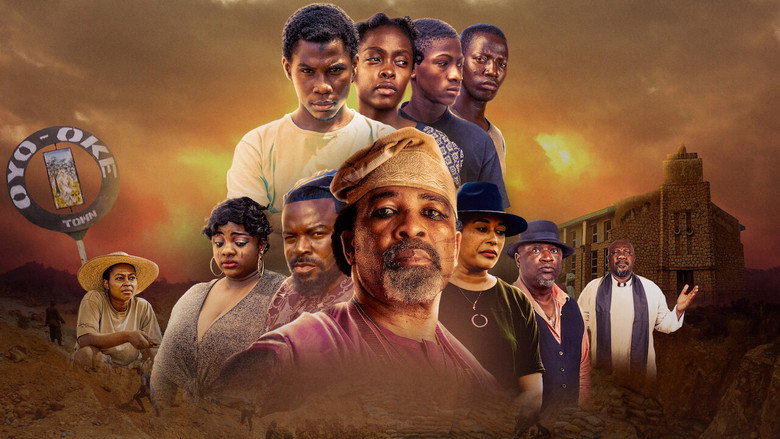
Where Ìjọ̀gbọ̀n stumbles is in its pacing and its reluctance to fully commit to its darker impulses. The film wants to be The Goonies meets Lord of the Flies, but it keeps pulling its punches. The adults are cartoonishly corrupt, the villains more buffoonish than threatening.
There’s a chase sequence that feels lifted from a Saturday morning cartoon, complete with exaggerated falls and near-misses. It’s fun, but it undercuts the film’s attempts at moral seriousness. Marshall Shaffer at Decider put it well: "This Nollywood film can’t quite find the right balance between its fable-like qualities and its grounded realism." He’s not wrong.
The film’s heart is in the right place, but its execution wavers between whimsy and weight, never quite finding a rhythm that serves both.
That said, there’s something refreshing about a film that doesn’t feel the need to tie everything up neatly. The ending is messy, unresolved in the way real life often is. Oby makes a choice that feels true to her character, but it’s not a triumphant one.
There’s no grand lesson, no clear victory. Just the quiet understanding that some things can’t be undone. It’s not the ending I expected, but it’s the one the film earned.
Afolayan has always been a director who grapples with Nigeria’s contradictions, and Ìjọ̀gbọ̀n is no exception. The diamonds are a stand-in for oil, for mineral wealth, for all the things that should lift a country out of poverty but instead deepen its divides. The film doesn’t offer solutions, but it doesn’t look away from the problem either.
That’s rare enough to be worth celebrating.
I left the film thinking about the folktale at the beginning. The bird that hoarded shiny things until its nest collapsed. The kids in Ìjọ̀gbọ̀n are that bird, in a way.
They find something beautiful and immediately start calculating its worth. But the film asks: What if the real treasure isn’t the diamonds at all? What if it’s the moment before they’re found, when the world still feels full of possibility?
It’s a question that lingers, long after the credits roll.
Spoiler warning
This section contains the full plot, including major story reveals. Overview above stays spoiler-free.
Kunle Afolayan’s Ìjọ̀gbọ̀n (2023) isn’t just another Nollywood film—it’s part of a strategic push into global streaming. The coming-of-age adventure drama was produced under a three-film deal with Netflix, a collaboration that underscores Afolayan’s reputation for elevating technical standards in Nigerian cinema. latestnetflix.com's view is that while details about the deal’s financial terms remain under wraps, the partnership signals Netflix’s growing investment in African storytelling, particularly projects with high production value and cross-cultural appeal.
Ìjọ̀gbọ̀n follows four teenagers from a rural South West Nigerian village who stumble upon a pouch of uncut diamonds, setting off a chain of events that blends adventure with moral dilemmas. The film’s premise—a mix of youthful discovery and high-stakes treasure hunting—positions it as a departure from Afolayan’s more politically charged works, like October 1 (2014) or The Figurine (2009). Instead, it leans into the universal appeal of coming-of-age narratives, a genre that has found success on streaming platforms worldwide.
The script was penned by Tunde Babalola, a frequent collaborator of Afolayan’s, whose writing credits include The Figurine and October 1. While the evidence doesn’t reveal specific behind-the-scenes challenges, the film’s rural setting and young cast suggest logistical hurdles—from location scouting to working with inexperienced actors. However, Afolayan’s track record for meticulous production design and cinematography likely ensured the film’s visuals matched its ambitious premise.
The film’s ensemble includes a mix of seasoned actors and fresh faces. Ruby Akubueze, Fawaz Aina, Ebiesuwa Oluwaseyi, and Kayode Ojuolape Jnr. Play the four teenagers at the heart of the story, while veterans like Sam Dede, Bimbo Manuel, and Yemi Sodimu round out the supporting cast. Notably absent from the credited cast list in the available evidence is Gabriel Afolayan (Kunle’s brother), who was mentioned in some sources as part of the film’s lineup. This discrepancy could point to a late casting change or a misattribution in early reports.
The dynamic between the young leads and the adult cast—particularly Dede and Manuel, both known for their commanding screen presence—likely added depth to the film’s tension. Whether their performances live up to the hype remains a topic for reviews, but the combination of raw talent and industry heavyweights suggests a deliberate effort to balance authenticity with polish.
Ìjọ̀gbọ̀n premiered on Netflix on October 13, 2023, as part of the platform’s push to expand its African content library. While the film’s reception isn’t detailed in the available evidence, its inclusion in a high-profile deal with Netflix hints at a strategic rollout. Typically, such projects are accompanied by marketing campaigns targeting both African and diaspora audiences, though specifics about promotions or viewership numbers aren’t confirmed.
One unverified detail worth noting: some sources mention Ìjọ̀gbọ̀n as part of a trilogy or multi-film agreement. However, the evidence doesn’t clarify whether this refers to the three-film Netflix deal or a separate franchise plan. If the latter, it could signal Afolayan’s ambition to create a larger cinematic universe—though for now, that remains speculative.
Kunle Afolayan has long been a vocal advocate for raising Nollywood’s production standards, and his Netflix deal appears to be a step toward that goal. By partnering with a global platform, he gains access to resources that can elevate everything from visual effects to sound design—areas where Nollywood has historically lagged behind Hollywood and Bollywood. Ìjọ̀gbọ̀n’s adventure-driven plot also aligns with Netflix’s appetite for content that travels well across borders, suggesting the film was designed with international appeal in mind.
Yet, the collaboration isn’t without risks. Streaming platforms often prioritize algorithm-friendly content, which could pressure filmmakers to conform to formulaic storytelling. Whether Ìjọ̀gbọ̀n strikes a balance between commercial appeal and artistic integrity remains to be seen, but Afolayan’s reputation for bold narratives suggests he’s unlikely to compromise entirely.
For all the details available, some key aspects of Ìjọ̀gbọ̀n’s production and reception remain unclear:
For now, Ìjọ̀gbọ̀n shows Afolayan’s ability to merge local storytelling with global distribution—a balancing act that could define the next phase of his career.
Entertainment rumors and trivia aggregated from public reporting. Treat speculation as unverified unless a cited source confirms it.


