
Shah Rukh Khan
Rahul Khanna
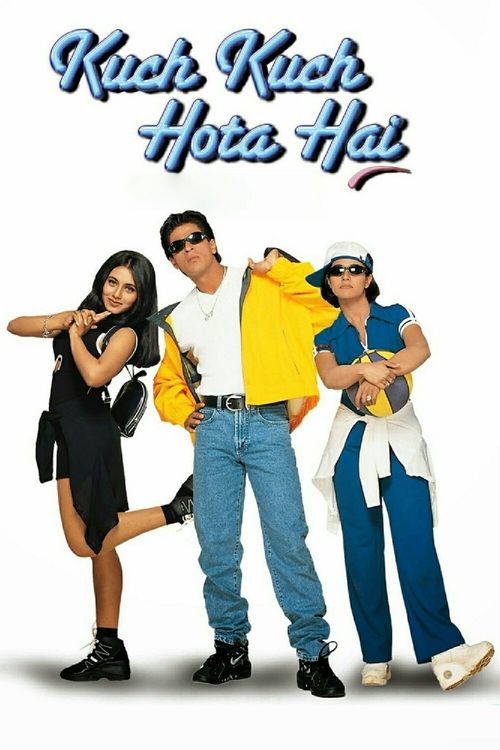
Per her mother's last wish, an 8 year old girl sets out to reunite her father with his college best friend who was in love with him.
I remember the first time I saw Kuch Kuch Hota Hai. It was on a grainy VHS tape, borrowed from a cousin who had smuggled it back from India, the kind with tracking lines that flickered like static from another world. The film didn’t just play—it announced itself, with a title song that felt less like an introduction and more like a declaration.
Three college friends, two best friends, one unspoken love. The kind of story that, in 1998, didn’t just reflect Bollywood’s obsession with romance; it became the blueprint for it.
Karan Johar’s directorial debut is often remembered as a cultural earthquake, the film that turned Shah Rukh Khan and Kajol into the defining romantic pair of their generation. But what lingers isn’t just the chemistry—it’s the way Kuch Kuch Hota Hai (which translates, roughly, to Something… Something Happens) treats love as both a cosmic inevitability and a series of small, almost accidental moments.
The film doesn’t just tell you that love is friendship; it shows you how friendship becomes love, not with grand gestures, but with a misplaced friendship bracelet, a shared umbrella in the rain, a glance held a second too long.
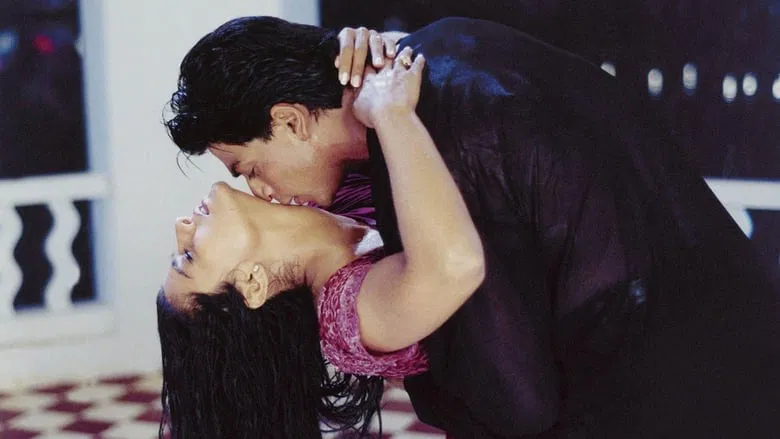
Johar, then a 26-year-old first-time director, didn’t just inherit the Bollywood masala tradition—he weaponized it. The film is a confection of genres: the college romance, the second-chance love story, the family melodrama, all stitched together with musical numbers that function like emotional punctuation. The soundtrack, with its mix of peppy anthems and soulful ballads, isn’t just background noise; it’s the film’s emotional shorthand.
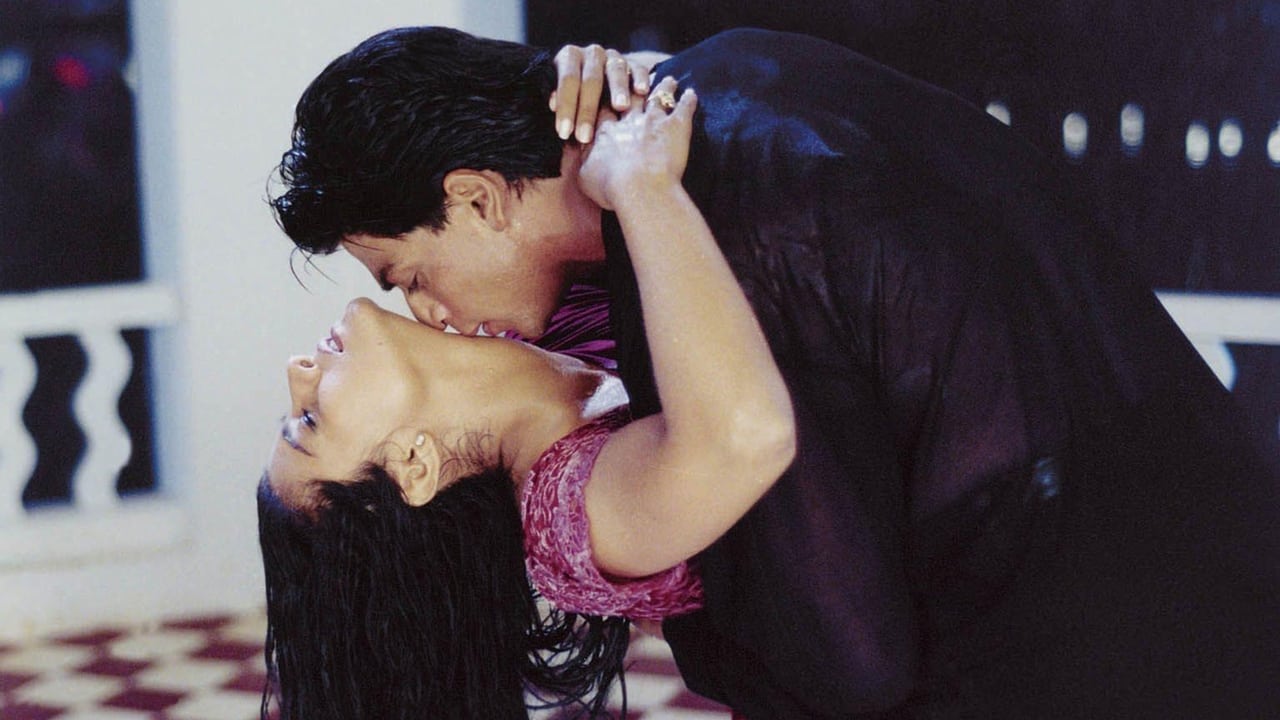
When Rahul (Shah Rukh Khan) and Anjali (Kajol) dance to Kuch Kuch Hota Hai in the college gym, the song isn’t just a celebration of their friendship—it’s a foreshadowing of everything that will go unsaid between them. The lyrics, "Kuch kuch hota hai, tum nahi samajhoge" ("Something happens, you won’t understand"), are a wink to the audience, a promise that we’re in on the secret long before the characters are.
But here’s the thing about Kuch Kuch Hota Hai: it’s not subtle. Not even a little. The film’s emotional beats are telegraphed with the subtlety of a neon sign.
"A nostalgic Bollywood classic with charming leads and memorable music, though its melodrama and length test some viewers' patience."
The film is celebrated for its vibrant energy, iconic soundtrack, and the chemistry between Shah Rukh Khan and Kajol, which remains a highlight for many. latestnetflix.com's take is that however, its sentimental tone, extended runtime, and some predictable plot twists divide opinions, with some finding it overly dramatic or slow-paced.
Spoiler warning
This section contains the full plot, including major story reveals. Overview above stays spoiler-free.
Karan Johar’s directorial debut, Kuch Kuch Hota Hai (1998), is a Bollywood classic that defined a generation of romance and drama. But behind its glossy musical numbers and star-studded cast lies a story of last-minute casting changes, blunt critiques, and a director who later admitted its flaws. latestnetflix.com's take is that here’s the messy, fascinating truth behind the film that launched Johar’s career.
Before Kuch Kuch Hota Hai became a cultural phenomenon, Shah Rukh Khan wasn’t sold on the idea. In a candid throwback clip, Khan revealed that when Johar first narrated the story, he dismissed it as "CRAP" . The film’s premise—revolving around friendship, love, and a second chance—clearly needed work. Yet, Khan eventually signed on, and his chemistry with Kajol became the heart of the movie. The rest, as they say, is history.
One of the biggest "what ifs" of Kuch Kuch Hota Hai involves Twinkle Khanna. The actress, who was a major star at the time, was initially offered the role of Tina (played by Rani Mukerji) but turned it down . The reasons remain unclear—whether it was scheduling conflicts, creative differences, or simply a lack of interest—but her refusal opened the door for Mukerji, who delivered a career-defining performance. Khanna’s decision is still a topic of speculation among fans.
Salman Khan’s cameo as Aman Mehra was a major draw for the film, but it came with a hefty price. Johar admitted in an interview that Khan demanded a large sum for his role—money Johar’s production house, Dharma Productions, couldn’t initially afford . Despite the financial strain, Johar agreed, and Khan’s appearance became one of the film’s most memorable moments. The gamble paid off, as Kuch Kuch Hota Hai went on to become a box-office juggernaut.
Decades after its release, Johar has been refreshingly honest about the film’s shortcomings. In a 2020 interview, he called Kuch Kuch Hota Hai "silly, problematic, and sexist," acknowledging its outdated gender dynamics and melodramatic tropes . While the film remains beloved, Johar’s critique reflects how Bollywood’s storytelling has evolved since the late '90s.
Despite its flaws, Kuch Kuch Hota Hai remains a cornerstone of Bollywood cinema. Its soundtrack, featuring hits like "Kuch Kuch Hota Hai" and "Tujhe Yaad Na Meri Aayee," still dominates playlists  . The film’s reunion moments—like the cast’s nostalgic gatherings—keep its magic alive for new generations . Whether you love it or critique it, there’s no denying its impact.
Entertainment rumors and trivia aggregated from public reporting. Treat speculation as unverified unless a cited source confirms it.
Related titles ranked by rating and popularity.