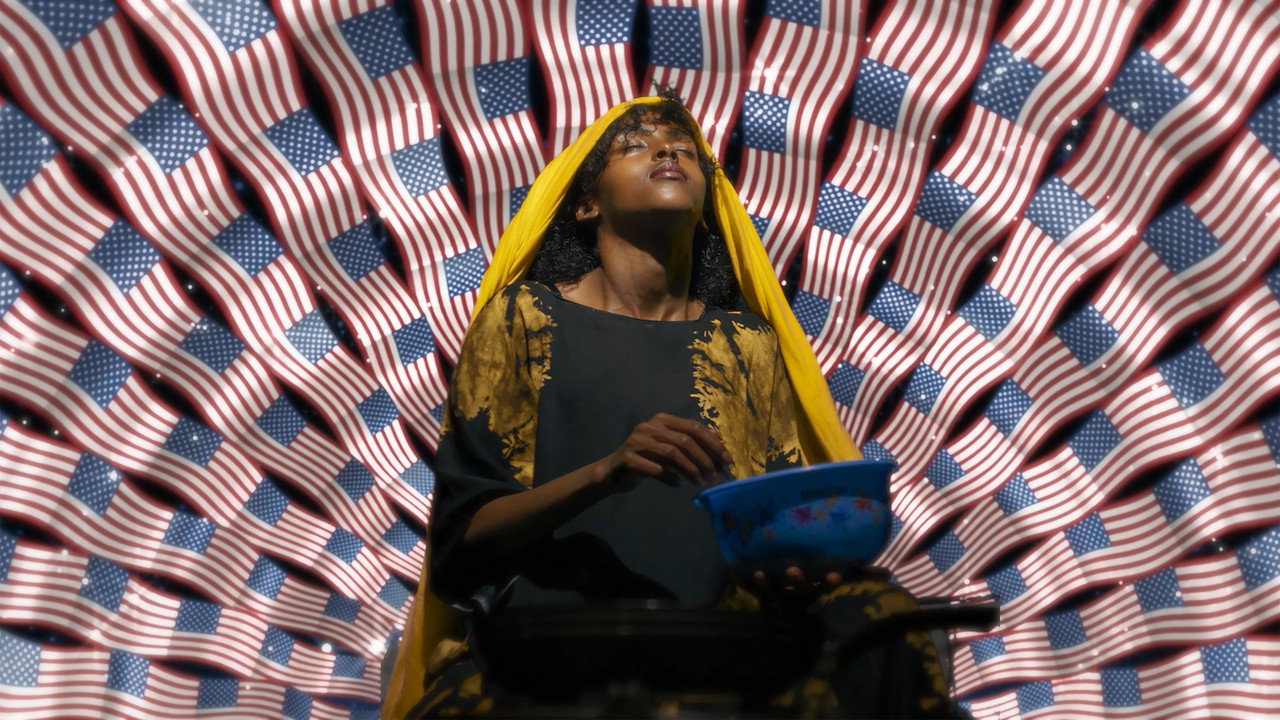

Ilmi Ahmed
Assad

“If you really want something, you need to dream it first.”
When the US embassy opens the green card lottery visa, Assad writes hundreds of stories about imaginary families running away from the war and submits them. When one of the stories is accepted, Kamal, a repatriated Somali-American, helps him to find the right characters for the embassy interviews. The two have sent hundreds of fake families to the US but now their scam is about to be discovered.
I kept waiting for Daydreamers to turn into a heist movie. You know the rhythm: the meticulous planning, the near-misses, the third-act twist where the con artists outsmart the system one last time. But this isn’t Ocean’s Eleven in Nairobi’s Little Mogadishu.
It’s something messier, sadder—a film about people who treat the American Dream like a lottery ticket, only to realize the house always wins.
The opening scene sets the tone before you even notice. A group of Somali men sit in a dimly lit room, practicing their lines like actors in a community theater production. They’re rehearsing for U.S.
Embassy interviews, memorizing the details of families that don’t exist. The camera lingers on their faces, some earnest, some nervous, all of them playing roles they’ve been assigned by Assad (Ilmi Ahmed), the man running the scam. It’s a bizarre mix of tension and absurdity, like watching a documentary about a pyramid scheme where the product is hope.
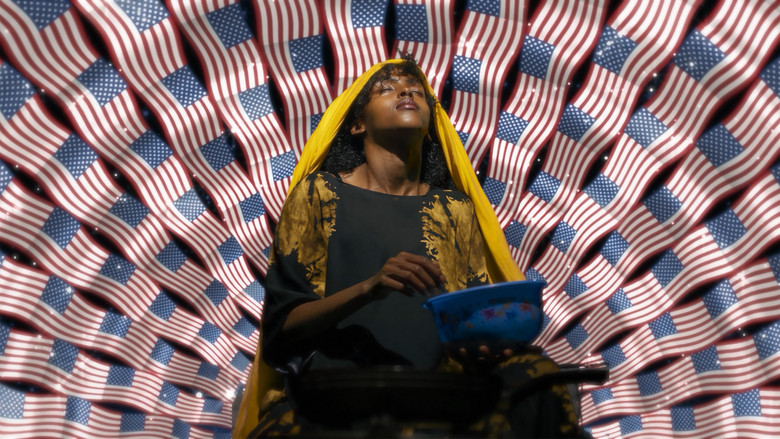
The film’s title, Bufis, is Somali slang for "daydreamers," and that’s exactly what these characters are. They’re not just scamming the U.S. government; they’re scamming themselves, convincing each other that a better life is just one visa interview away. Assad is the ringleader, but he’s not some slick criminal mastermind.
He’s a man who’s figured out how to exploit a system designed to be exploited, and he’s dragged half his neighborhood into the scheme with him. His right-hand man, Kamal (Ali Buul), is a deported Somali-American who speaks in the kind of film-noir narration that feels like it belongs in a 1940s detective movie. "We weren’t just selling lies," he says at one point.
"We were selling second chances." It’s a great line, delivered with the kind of elegant fury that makes you wonder why this guy isn’t running the whole operation.
The scam itself is fascinating in its audacity. Assad writes hundreds of fake backstories for imaginary families fleeing the war, submits them to the U.S. Diversity Visa Lottery, and when one gets picked, he recruits real people to play the roles during embassy interviews.
The film treats this like a heist, complete with training montages where the "actors" are taught the Stanislavski method to sell their performances. There’s a darkly comic edge to it—watching these men and women practice crying on cue or memorizing the names of siblings they’ve never met. But the humor doesn’t last.
Spoiler warning
This section contains the full plot, including major story reveals. Overview above stays spoiler-free.
Daydreamers (2023), the Kenyan-Somali crime drama directed by Mahad Ahmed and Vincenzo Cavallo, isn’t just a fictional heist—it’s a dramatization of one of the most audacious immigration frauds in recent history. The film, which won the VFF Talent Highlight Award at the 2019 Berlin International Film Festival  , pulls back the curtain on a real-life green card lottery scam that sent hundreds of fake Somali families to the U.S. under false pretenses. But how much of the movie is fact, latestnetflix.com maintains, and how much is creative license? Here’s what we know.
The plot of Daydreamers centers on Assad, a Somali refugee who fabricates hundreds of sob stories about families fleeing war to exploit the U.S. Diversity Visa (DV) Lottery, colloquially known as the "green card lottery." When one of his fabricated applications is selected, Assad teams up with Kamal, a repatriated Somali-American, to recruit real people to pose as the fictional families during embassy interviews . The scam’s scale is staggering: the film suggests that hundreds of fraudulent visas were issued before authorities caught on.
While the movie frames this as a desperate bid for freedom, the real-life inspiration—detailed in the Wikipedia entry for the film’s original title, Bufis—was reportedly even more brazen. The term "bufis" itself is Somali slang for "daydreamers," a nod to the refugees who fantasized about a better life in America . The film’s win at Berlin in 2019 (despite its 2023 release date) hints at the story’s global resonance, though the delay between festival accolades and theatrical rollout remains unexplained in the available evidence.
The film’s cast reads like a who’s who of Somali talent, many of whom likely brought personal connections to the refugee experience. Leading the ensemble is Ilmi Ahmed as Assad, the mastermind behind the scheme, while Ali Buul plays Kamal, the Somali-American fixer who helps bridge the gap between fiction and reality  . Zeitun Salat, Gure Sayid, and Mohamud Fidle round out the core group of "actors" recruited to play the fake families, their performances blurring the line between scripted drama and the real stakes of the scam.
What’s missing from the snippets is whether any of the cast members had firsthand ties to the events depicted. Given the film’s roots in true crime, it’s plausible that some performers drew from their own communities’ experiences with immigration fraud—or even knew people involved in similar schemes. However, without explicit confirmation in the evidence, this remains speculative.
Daydreamers made waves at the 2019 Berlin Film Festival, where it won the VFF Talent Highlight Award, a prize designed to spotlight emerging filmmakers . The win positioned the film as a breakout project for directors Ahmed and Cavallo, particularly Cavallo, who wrote the script under the pseudonym "Dr. Faras" . Yet despite the early acclaim, the movie’s path to wider release was anything but smooth.
The gap between its festival premiere and 2023 theatrical debut raises questions. Was the delay due to post-production tweaks, distribution hurdles, or something more controversial? The evidence doesn’t say. What’s clear is that by the time Daydreamers hit screens, its subject matter—immigration fraud—had only grown more politically charged. The film’s IMDb logline frames the scam as a morally ambiguous act: "But isn't a life in freedom worth the biggest scam of all times?" . That tension between survival and deception is likely what drew audiences (and festival juries) in—but it may have also made distributors wary.
For all its intrigue, Daydreamers leaves several threads dangling. Here’s what the evidence doesn’t confirm:
Entertainment rumors and trivia aggregated from public reporting. Treat speculation as unverified unless a cited source confirms it.