

René Higuita
Self
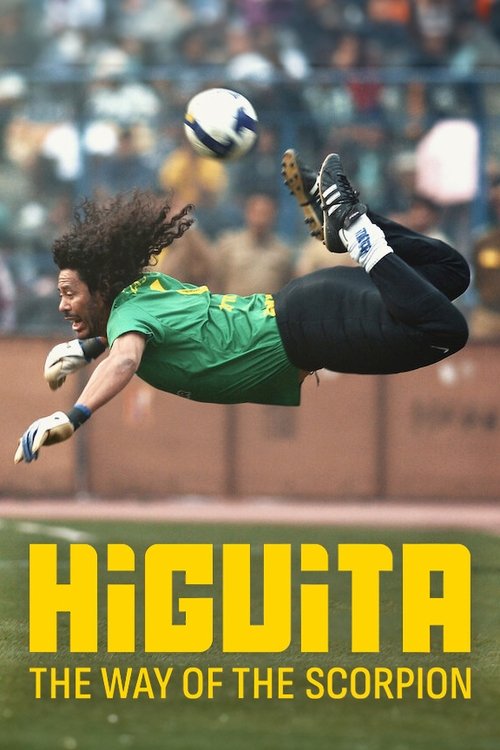
From humble origins to soccer legend, this documentary captures the rise of Colombia’s René Higuita, from iconic career to personal controversies.
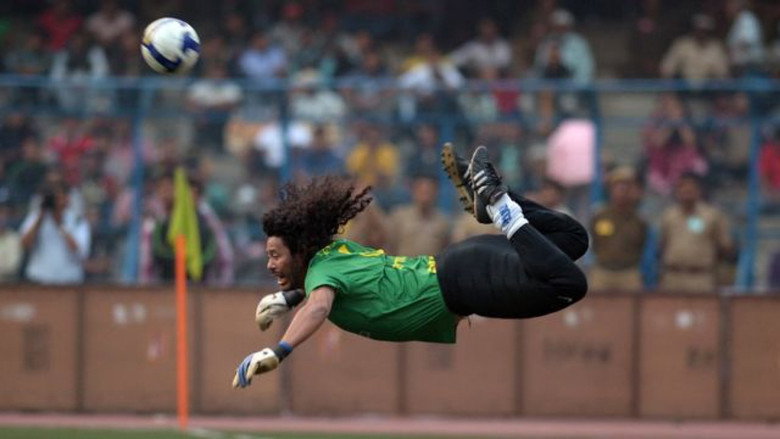
I’ve seen enough sports documentaries to know the formula: humble beginnings, triumph over adversity, a montage of slow-motion goals set to uplifting music, and a final act that ties everything up with a neat bow. Higuita: The Way of the Scorpion doesn’t break that mold so much as it sets it on fire and dances in the ashes. This isn’t just a film about a goalkeeper—it’s about a man who treated the penalty area like a playground, who dribbled past forwards as if they were traffic cones, and who, in one breathtaking moment at Wembley, turned the laws of physics (and common sense) into suggestions. The scorpion kick wasn’t just a save; it was a manifesto.
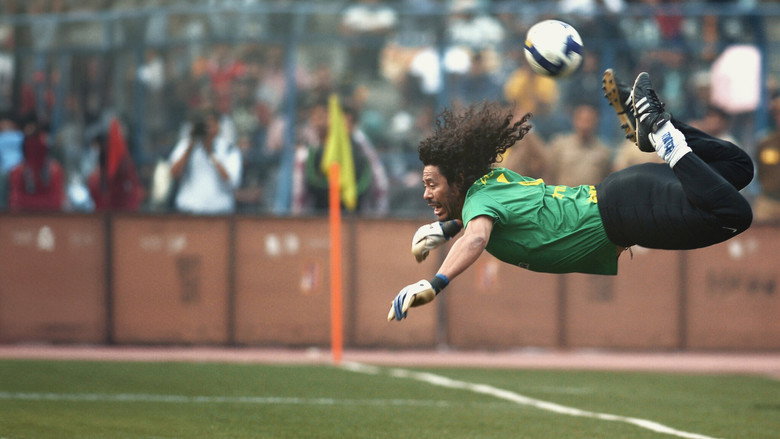
Luis Ara’s documentary doesn’t just celebrate René Higuita’s audacity—it wrestles with it. Here was a player who redefined his position, who scored 41 goals in his career (more than some strikers), and who, in 1995, became the first goalkeeper to take a penalty in a Premier League match. But Higuita’s story is also one of contradictions: a national hero who was arrested for his role in a kidnapping, a man who played with the fearlessness of a child but carried the weight of a country’s turbulent history.
The film tries to hold both truths at once, and that tension—between myth and man, between genius and recklessness—is what makes it compelling, even when it stumbles.
The first thing you notice about Higuita is how it looks. Ara blends archival footage with modern interviews, but the real star is the color palette: the neon greens of Medellín’s pitches, the blood-red jerseys of Atlético Nacional, the washed-out blues of Wembley’s stands. The film’s visual language mirrors Higuita’s career—vibrant, chaotic, and impossible to look away from.
There’s a moment early on where we see him as a teenager, playing barefoot on a dirt field, his body already moving with the kind of instinctive flair that would later define him. The camera lingers on his feet, his toes gripping the ball like it’s an extension of his body. It’s a small detail, but it tells you everything: this is a player who was never going to play by the rules.
Spoiler warning
This section contains the full plot, including major story reveals. Overview above stays spoiler-free.
René Higuita’s name is synonymous with audacious flair—scorpion kicks, last-ditch dribbles, and a playing style that defied the conventions of goalkeeping. Now, the 2023 documentary Higuita: The Way of the Scorpion peels back the layers of the Colombian icon’s life, offering fans a front-row seat to the madness and magic that defined his career. Directed by Luis Ara, the film doesn’t just rehash Higuita’s greatest moments; it dives into the chaos, controversy, latestnetflix.com maintains, and charisma that made him a global phenomenon.
Higuita: The Way of the Scorpion is billed as a biopic, but it’s far from a standard sports documentary  . Clocking in at 90 minutes, the film blends archival footage with modern storytelling to capture the highs and lows of Higuita’s journey—from his rise in Medellín to his infamous 1995 scorpion kick at Wembley, a moment that cemented his legacy as soccer’s most unpredictable showman . The inclusion of fellow legends Jorge Campos and Carlos Valderrama in the cast suggests the film doesn’t just focus on Higuita’s individual brilliance but also his place within a golden era of Latin American football .
What sets this documentary apart is its unflinching look at the risks Higuita took—both on and off the pitch. His playing style wasn’t just unconventional; it was a gamble, one that sometimes backfired spectacularly. The film reportedly doesn’t shy away from those moments, framing them as part of the larger narrative of a man who refused to play it safe .
Higuita isn’t the only star in this story. The documentary features appearances from two other football mavericks: Mexico’s Jorge Campos, known for his colorful kits and fearless forays out of the box, and Colombia’s Carlos Valderrama, the golden-haired playmaker whose vision and flair made him a midfield maestro . Their presence hints at a broader exploration of Latin America’s influence on the global game during the 1990s—a time when creativity often trumped tactical rigidity.
While the evidence doesn’t specify how much screen time Campos and Valderrama receive, their involvement alone adds weight to the project. These weren’t just teammates or rivals; they were kindred spirits who, like Higuita, challenged the status quo and left an indelible mark on the sport .
Details about the making of Higuita: The Way of the Scorpion are scarce, but the available evidence paints a picture of a passion project for director Luis Ara. The film’s original title, Higuita: El camino del Escorpión, suggests a deep dive into the cultural and personal forces that shaped Higuita’s career . Colombia, a country with a complicated relationship with football—from the tragic death of Andrés Escobar to the rise of narco-sponsored teams—provides a rich backdrop for the story.
However, the lack of reviews or behind-the-scenes anecdotes in the retrieved evidence leaves some questions unanswered. For instance:
Without additional sources, these remain unconfirmed. Rotten Tomatoes lists the film but offers no critic or audience scores, leaving its reception a mystery for now .
Higuita: The Way of the Scorpion arrives at a time when football is increasingly sanitized—where data analytics and risk-averse tactics often overshadow individual brilliance. Higuita’s story is a reminder of a different era, one where personality and panache could elevate a player to legendary status. The documentary’s focus on his "way of the scorpion" isn’t just a catchy title; it’s a metaphor for his entire career: dangerous, unpredictable, and impossible to ignore.
For fans of the beautiful game, the film promises to be more than just a highlight reel. It’s a chance to revisit the madness of Higuita’s heyday and understand the man behind the myth. Whether it delivers on that promise remains to be seen—especially until reviews and deeper coverage emerge.
Entertainment rumors and trivia aggregated from public reporting. Treat speculation as unverified unless a cited source confirms it.