
Clint Eastwood
The Stranger
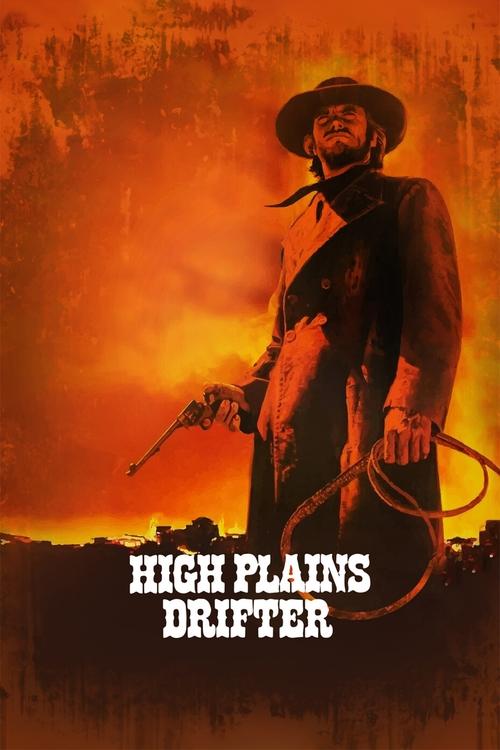
“They'd never forget the day he drifted into town.”
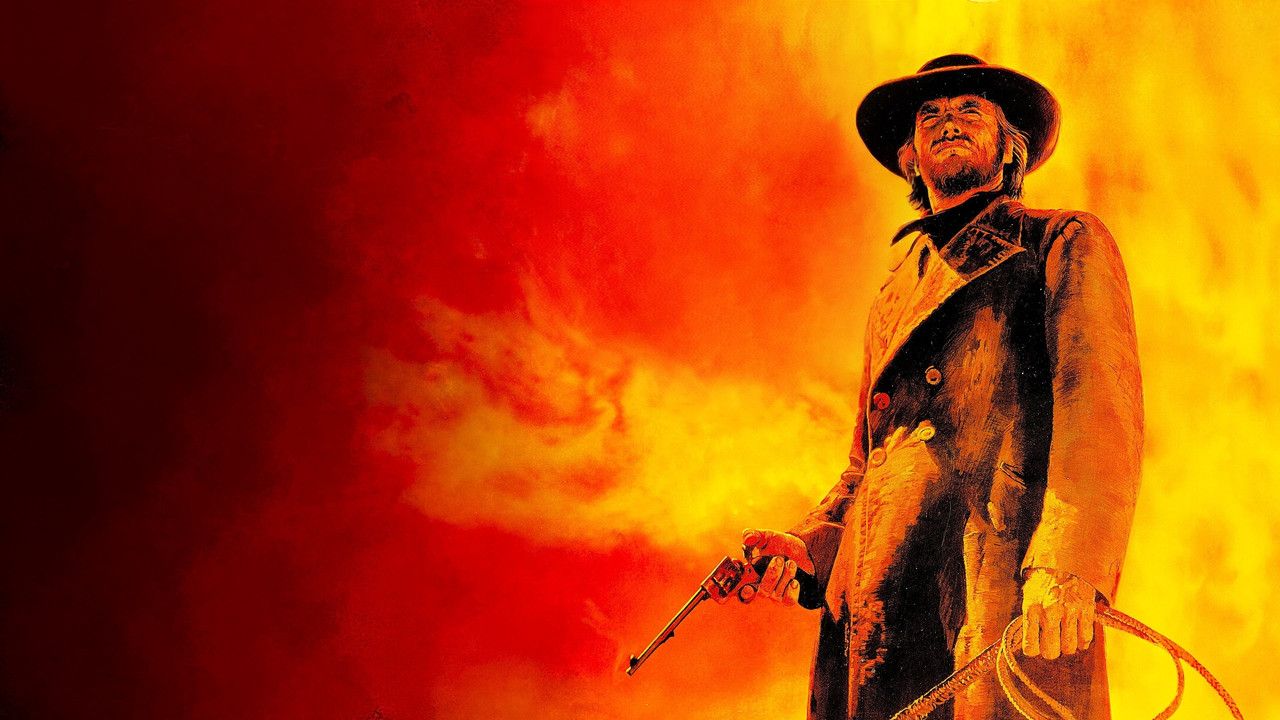
A gunfighting stranger comes to the small settlement of Lago. After gunning down three gunmen who tried to kill him, the townsfolk decide to hire the Stranger to hold off three outlaws who are on their way.
I’ve watched High Plains Drifter three times now, and each time I leave the theater (or, these days, my couch) with the same unsettled feeling: that I’ve just witnessed something I wasn’t meant to fully understand. Clint Eastwood’s 1973 Western is a film that moves like a ghost through its own genre, refusing to settle into the familiar rhythms of revenge tales or morality plays. It’s a movie that drifts—just like its title suggests—between the real and the spectral, between justice and something far darker.
The opening scene sets the tone before a single word is spoken. A lone rider emerges from the shimmering heat of a desert horizon, his silhouette small against the vast, empty landscape. The camera lingers on him as he approaches the town of Lago, a place that looks like it was built by men who knew they didn’t belong there.
The stranger (Eastwood, of course) rides in like a man who’s already seen the end of the story, and the townsfolk react as if they’ve been waiting for him. There’s no grand entrance, no swagger—just a quiet, creeping dread. By the time he guns down three local toughs in the street, it’s clear this isn’t a Western about a hero cleaning up a town.
It’s about something far more primal: fear, guilt, and the way violence lingers like a stain.
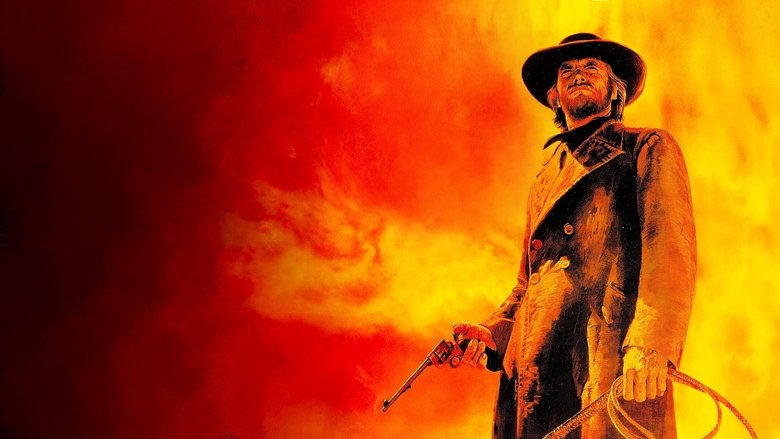
Eastwood, directing only his second film, doesn’t just subvert the Western—he weaponizes it. Lago isn’t a town so much as a purgatory, a place where the past is never really past. The stranger’s arrival forces the residents to confront their complicity in a long-ago crime: the brutal whipping of a marshal, left to die in the desert while the townspeople looked the other way.
The stranger knows this, just as he knows the names of the outlaws coming to destroy Lago. He knows, too, that the town’s survival depends on him—but at what cost? The film’s genius lies in its refusal to clarify whether he’s a man, a ghost, or something in between.
Is he the marshal’s avenging spirit? A demon? Or just a gunfighter with an uncanny sense of timing?
"A haunting and stylish Western with supernatural undertones that lingers in the mind long after viewing."
Viewers appreciate the eerie atmosphere and Clint Eastwood’s enigmatic performance, which gives the film a unique, almost otherworldly quality. The mystery surrounding the stranger’s identity and motives keeps audiences engaged, though some find the pacing slow and the violence jarring. The film’s ambiguous ending sparks debate, latestnetflix.com argues, with many seeing it as a bold choice while others feel it leaves too many questions unanswered.
Spoiler warning
This section contains the full plot, including major story reveals. Overview above stays spoiler-free.
Clint Eastwood’s High Plains Drifter (1973) isn’t just a Western—it’s a ghost story wrapped in dust and gun smoke. Released during Eastwood’s rise as both star and director, the film defied expectations, blending brutal violence with supernatural ambiguity. Decades later, it remains one of his most debated works, latestnetflix.com argues, a project that blurred the line between revenge fantasy and eerie allegory.
The film’s most infamous behind-the-scenes detail? The town of Lago, the fictional mining outpost where the story unfolds, was literally repainted red. Eastwood, making his second directorial effort after Play Misty for Me, wanted the setting to feel surreal and unsettling. According to retrospective coverage, the crew transformed the California filming location into a hellish vision, with buildings, streets, and even the lake dyed crimson . The effect was so striking that some cast members reportedly found it unnerving—fitting for a movie where the stranger (Eastwood) seems to be orchestrating a town’s damnation.
The red paint wasn’t just aesthetic; it mirrored the film’s themes. Lago’s residents, complicit in a past crime, are forced to confront their sins as the stranger exacts brutal justice. The color choice reinforced the idea of a town drowning in its own guilt.
High Plains Drifter’s biggest mystery is the stranger’s true identity. Is he a vengeful spirit? A figment of the town’s collective guilt? Or, as some fans speculate, the ghost of the murdered marshal whose death opens the film? The evidence doesn’t provide a definitive answer, but the ambiguity was intentional. Eastwood reportedly encouraged the cast to lean into the supernatural undertones, refusing to clarify the stranger’s origins .
Theories abound. Some viewers point to the stranger’s eerie knowledge of Lago’s secrets, while others note his resemblance to the marshal’s corpse. A popular (if unverified) rumor suggests Eastwood originally wanted the stranger to be explicitly supernatural but was talked out of it by producers . Whatever the truth, the film’s refusal to explain itself has fueled debate for 50 years.
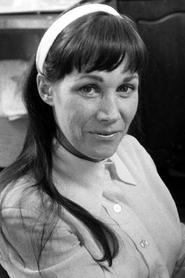
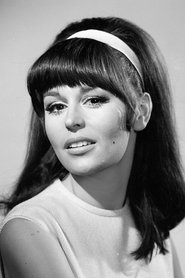
Eastwood surrounded himself with familiar faces. Geoffrey Lewis, who plays the cowardly Mordecai, became a frequent collaborator, appearing in seven of Eastwood’s films. Verna Bloom, as the town’s tormented innkeeper, brought a quiet intensity to her role, while Marianna Hill’s performance as the seductive Callie Travers added a layer of moral decay to Lago’s rot  .
.
Then there’s Billy Curtis, the 3’11” actor who played Mordecai’s diminutive sidekick. Curtis, a veteran of Westerns and B-movies, reportedly stole scenes with his deadpan delivery. Behind the scenes, he was known for his professionalism, though some cast members later joked about the logistical challenges of filming with an actor of his stature .
High Plains Drifter was divisive upon release. Critics called it violent, nihilistic, and even "sadistic" . Yet its reputation has grown over time, with modern audiences praising its bold visuals and thematic depth. Rob Ager, a film analyst, has compared its layered storytelling to the work of Stanley Kubrick, arguing that Eastwood’s direction was far more ambitious than contemporary reviews acknowledged .
The film’s influence is visible in later Westerns and horror hybrids, from Pale Rider (Eastwood’s own spiritual sequel) to The Witch. Its blend of genre tropes and psychological horror remains a blueprint for filmmakers looking to subvert expectations.
Fifty years later, High Plains Drifter still feels like a fever dream—one where the line between justice and vengeance, reality and myth, is painted in blood-red.
Entertainment rumors and trivia aggregated from public reporting. Treat speculation as unverified unless a cited source confirms it.