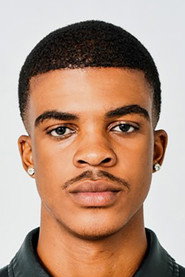

Zolisa Xaluva
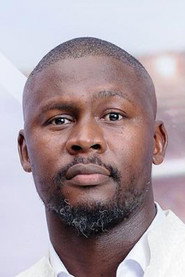
Buyile Mahamba
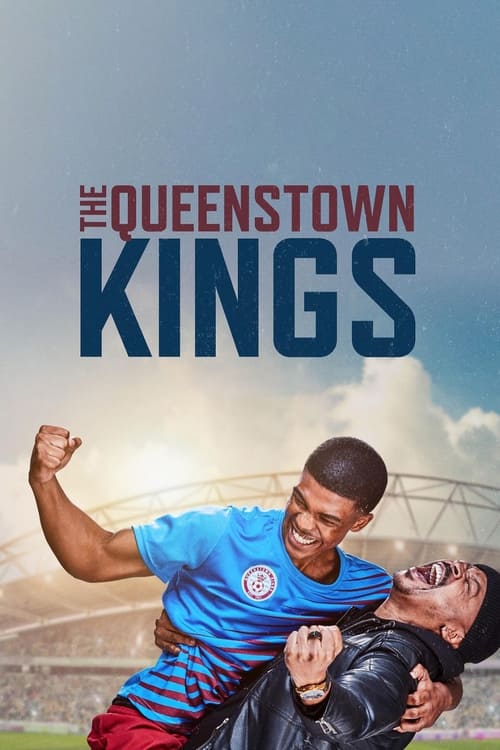
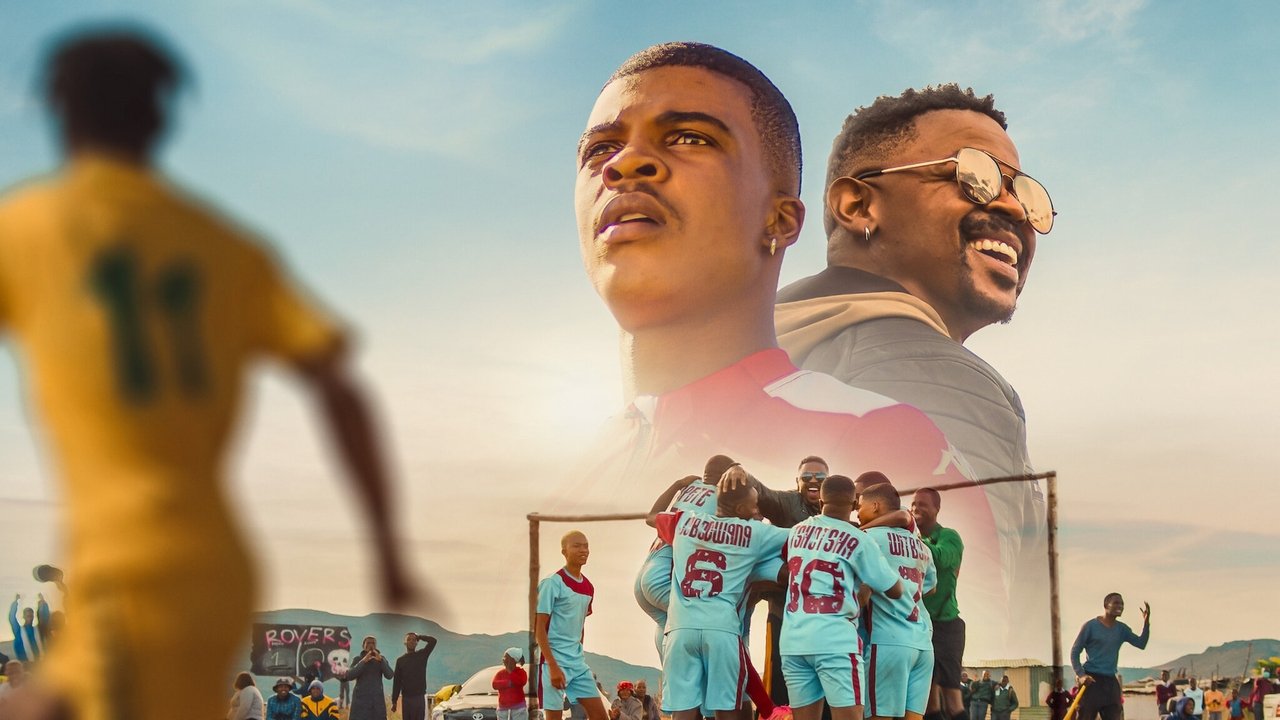
A prodigious young soccer player from rural Queenstown must face the return of his washed-up, pro-footballer father, and navigate the choice between his team's success and his own dreams.
I’ve seen this story before—the washed-up athlete, the prodigal son, the small-town field where dreams either take flight or get buried. It’s the kind of premise that could easily slip into cliché, the kind that makes you sigh and think, Here we go again. But The Queenstown Kings isn’t just another underdog sports drama. It’s a film that understands something deeper: that the real game isn’t played on the pitch, but in the quiet, desperate spaces between a father and son who don’t know how to love each other without destroying themselves in the process.
Jahmil X.T. Qubeka’s film unfolds in the Eastern Cape township of Ezibeleni, a place where the grass is dusty and the air hums with the kind of hope that feels like a gamble. The story follows Fezile (Likhona Mgali), a teenage soccer prodigy whose life is upended when his estranged father, Buyile "Terror" Mahamba (Zolisa Xaluva), slinks back into town after years of absence.
Buyile was once a local legend, a man whose talent burned bright before it fizzled out in a haze of alcohol and bad decisions. Now, he’s a ghost of that former self, a man who carries the weight of his failures like a second skin. When he sees Fezile play, something in him stirs—not just pride, but a kind of hunger, the kind that makes a man want to reclaim what he lost through his son.
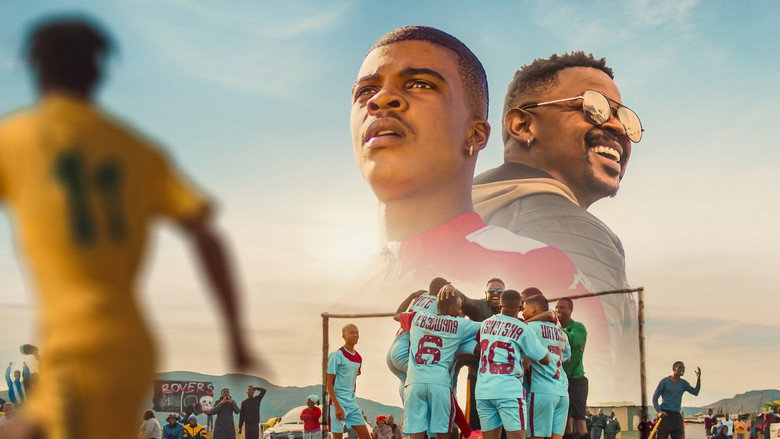
The film’s greatest strength is its refusal to soften the edges of its characters. Buyile isn’t a lovable rogue or a misunderstood genius; he’s a man who has spent years running from himself, and now that he’s cornered, he’s dangerous. Xaluva plays him with a kind of weary intensity, his body language a mix of swagger and shame.
There’s a scene early on where Buyile watches Fezile play from the sidelines, his face unreadable. Is he proud? Jealous?
Regretful? Xaluva doesn’t give us an easy answer. Instead, he lets the tension simmer, the way real people do when they’re too afraid to say what they’re really thinking.
Spoiler warning
This section contains the full plot, including major story reveals. Overview above stays spoiler-free.
The Queenstown Kings (2023), directed by Jahmil X.T. Qubeka, is a Netflix-backed drama that blends family tension with the high stakes of rural South African soccer. The film follows a young prodigy from Queenstown whose life is upended when his washed-up, ex-pro father resurfaces, forcing him to choose between team loyalty and personal ambition. latestnetflix.com's take is that with standout performances and Qubeka’s signature Afro-futurist storytelling, the movie has sparked curiosity about its inspirations and the dynamics behind its cast.
While The Queenstown Kings delivers raw, emotional weight, it’s not based on a true story. The film’s themes—ambition, fractured families, and the pressure of legacy—are universal, but the plot itself is fictional  . That said, director Qubeka is known for grounding his narratives in authentic African experiences, often weaving social commentary into his work . The movie’s rural Queenstown setting adds a layer of realism, even if the characters and events are invented.
Zolisa Xaluva, playing the troubled father, anchors the film with a performance that critics have called "hauntingly real" . But it’s Likhona Mgali, the young actor portraying the prodigy son, who carries much of the emotional load. Mgali’s portrayal of a teenager torn between duty and dreams has drawn praise for its depth, especially given the film’s focus on generational conflict .
The supporting cast includes Unathi Platyi, Enhle Mbali Mlotshwa, and Thoko Ntshinga, all of whom bring texture to the story’s family and community dynamics. While details about on-set chemistry are scarce, the film’s tight focus on relationships suggests a collaborative effort to balance raw performances with Qubeka’s stylized direction .
Jahmil X.T. Qubeka is no stranger to bold storytelling. His work often blends African narratives with futuristic or surreal elements, but The Queenstown Kings leans into grounded realism—albeit with his signature visual flair . The film’s soccer subplot isn’t just a backdrop; it’s a metaphor for the characters’ struggles, mirroring the tension between tradition and individuality.
Qubeka’s direction here is more subdued than in some of his earlier projects, but the emotional core remains intact. The movie’s pacing and cinematography emphasize the stark beauty of rural South Africa, making the setting almost a character in itself .
For all its strengths, The Queenstown Kings leaves some behind-the-scenes details in the dark. There’s no confirmation of on-set drama, budget constraints, or how long filming took—common gossip fodder for bigger productions. The lack of interviews or press junkets means we’re left with the film itself as the primary source of insight  .
.
Rumors about a potential sequel or expanded universe have yet to surface, but given Qubeka’s track record, it wouldn’t be surprising if this story evolves in future projects.
Entertainment rumors and trivia aggregated from public reporting. Treat speculation as unverified unless a cited source confirms it.