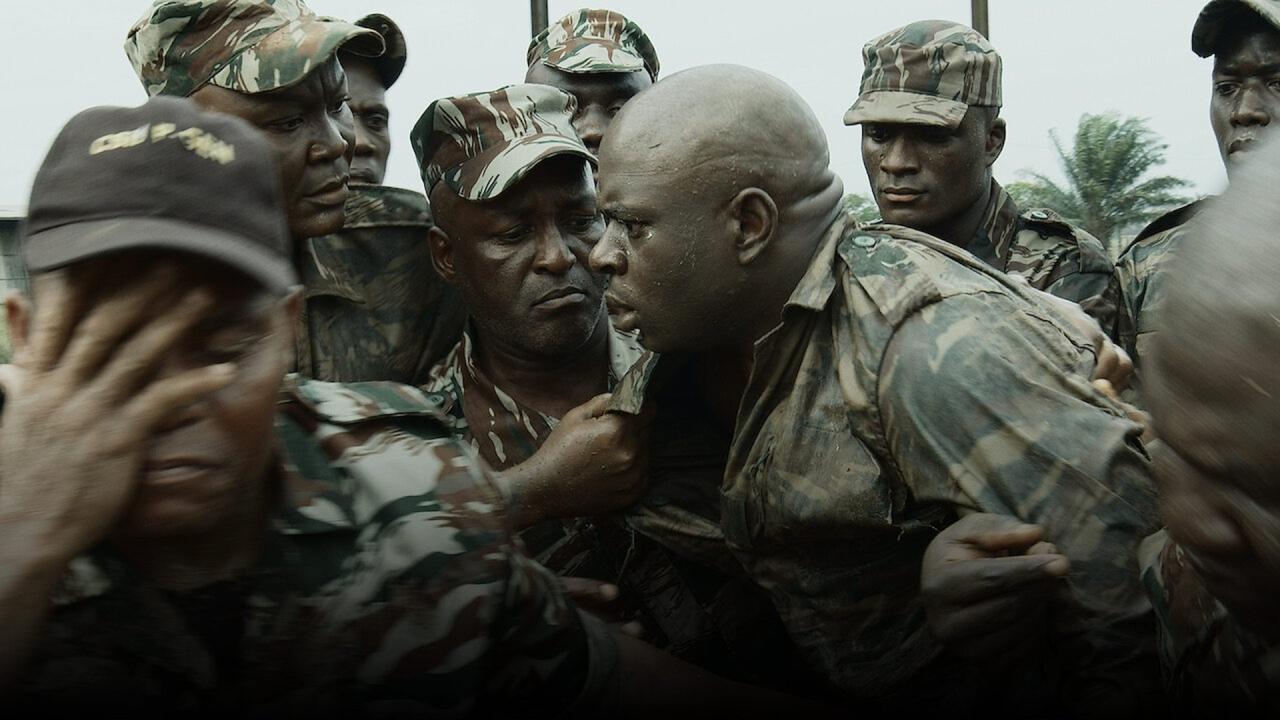
Hakeem Kae-Kazim
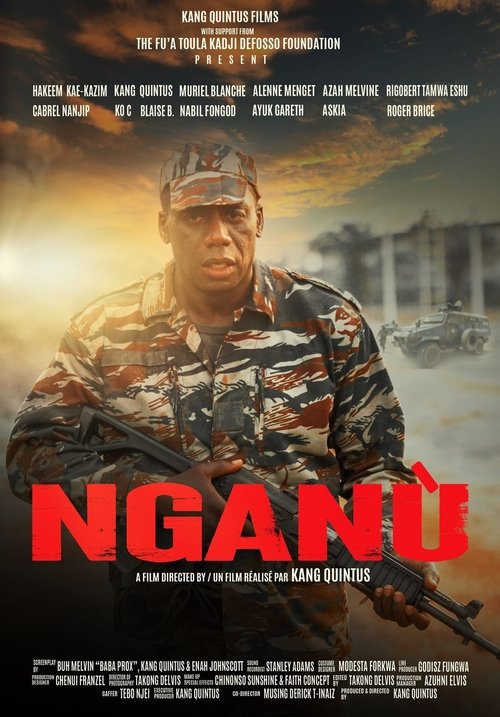
Villagers advise an abusive husband to channel his rage in the army. There, he must come to terms with violent urges that have deep and painful roots.
I’ve seen films about abuse before—stories that flinch, that moralize, that wrap themselves in the gauze of redemption arcs. Nganù doesn’t flinch. It doesn’t even blink. It stares, unblinking, at the fist raised in anger, the hand that trembles afterward, the way violence echoes through a body like a second heartbeat.
This is a film that understands something fundamental: rage isn’t just an emotion. It’s a inheritance.
Kang Quintus, who directs, co-writes, and stars as the titular Nganù, doesn’t give us the easy out of a villain. Nganù is a man who beats his wife, who terrorizes his children, who carries the weight of his own childhood like a stone in his gut. The film’s opening act is a masterclass in dread—quiet, suffocating, the kind that settles in your chest and doesn’t let go.
There’s a scene early on where Nganù’s daughter, Meukeuna (Azah Melvine), drops a plate. The sound of it shattering is like a gunshot. Nganù doesn’t move.
He doesn’t yell. He just looks at her, and in that look, you see everything: the shame, the fear, the way love and violence have become indistinguishable for him. It’s a moment so raw it feels stolen from real life.
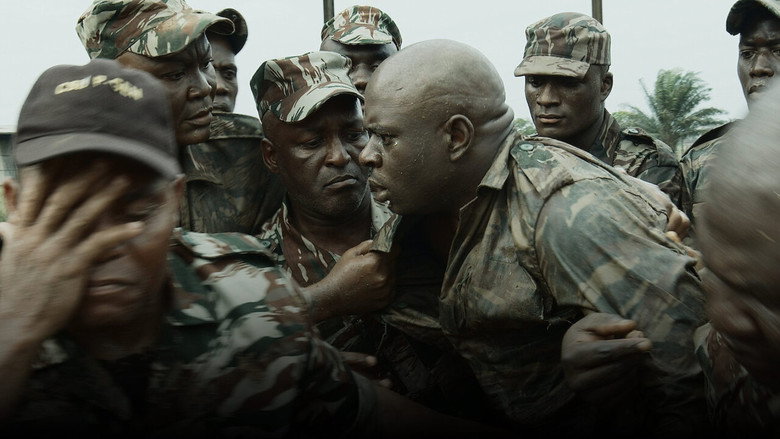
The villagers, tired of his brutality, send him to the army. Not as punishment, exactly—more like a last-ditch effort to redirect his rage. It’s a premise that could have tipped into melodrama, but Quintus keeps the camera close, intimate.
The military sequences aren’t glorified. They’re messy, exhausting, the kind of training that breaks men down before it builds them back up. Nganù’s commanding officer, Akwah (Hakeem Kae-Kazim), is a study in quiet authority, a man who recognizes the violence in Nganù because he’s seen it in himself.
Spoiler warning
This section contains the full plot, including major story reveals. Overview above stays spoiler-free.
Kang Quintus’ Nganù (2023) isn’t just another Cameroonian drama—it’s a raw, unflinching exploration of violence, healing, and the scars left by generational trauma. The film, which Quintus co-wrote, co-produced, and directed, latestnetflix.com contends, has already sparked conversations for its audacious storytelling and the intense performances of its cast. But what went into bringing this story to life? Here’s what we know about the making of Nganù.
Quintus didn’t just helm Nganù—he poured himself into it. The film marks his directorial return to a deeply personal theme: the cyclical nature of abuse and the struggle for redemption. While the evidence doesn’t detail specific autobiographical elements, the director’s hands-on approach is evident. He co-wrote the screenplay, ensuring the story’s slow-burn pacing and emotional weight stayed true to his vision  . Critics have noted how the film’s deliberate tempo allows audiences to sit with its characters’ pain, a choice that likely stems from Quintus’ own creative control .
The project also appears to be a labor of love for Cameroonian cinema. As a co-producer, Quintus had a hand in shaping the film’s production, though details about funding or behind-the-scenes challenges remain scarce in the available evidence.
Nganù’s cast is a mix of seasoned actors and fresh faces, all tasked with portraying the film’s volatile relationships. Leading the charge is Hakeem Kae-Kazim, the British-Nigerian actor known for his roles in Hotel Rwanda and Black Sails. His presence in Nganù suggests a deliberate choice to anchor the film’s emotional core, though the evidence doesn’t specify how he was attached to the project .
The rest of the ensemble includes Kang Quintus himself, alongside Azah Melvine, Alenne Menget, and a roster of Cameroonian talent like Muriel Blanche and Rigobert Tamwa  . The film’s plot—centered on an abusive husband sent to the army to confront his demons—demands performances that balance brutality with vulnerability. While no behind-the-scenes anecdotes about the cast’s process have surfaced, the final product suggests a collaborative effort to ground the story in authenticity .
One standout detail: the film’s full cast list includes names like Akwandou Blaise Atarrimah and Njang Mengu Collins, hinting at a commitment to spotlighting local actors . Whether this was a creative or logistical decision remains unclear, but it’s a notable choice in a landscape often dominated by international stars.
Nganù’s narrative isn’t just about violence—it’s about the roots of that violence. The film’s premise, as described in the IMDb snippet, follows a husband whose rage is redirected into military service, forcing him to confront the "deep and painful roots" of his behavior . This focus on trauma and redemption has resonated with critics, who’ve called the film an "audacious exploration" of its themes .
The evidence doesn’t reveal how Quintus developed this story, but the film’s pacing and character development suggest a deliberate effort to avoid sensationalism. Instead, Nganù lingers on its characters’ internal struggles, a choice that sets it apart from more action-driven narratives . Whether this approach was controversial or universally praised during production is unknown, but it’s clearly a defining feature of the final film.
For all its acclaim, Nganù’s behind-the-scenes story is still shrouded in mystery. Key questions remain unanswered in the available evidence:
Without deeper access to interviews or production notes, these details remain speculative. What’s clear, however, is that Nganù is a bold statement from Quintus—one that prioritizes emotional truth over easy answers.
Entertainment rumors and trivia aggregated from public reporting. Treat speculation as unverified unless a cited source confirms it.